
 EN
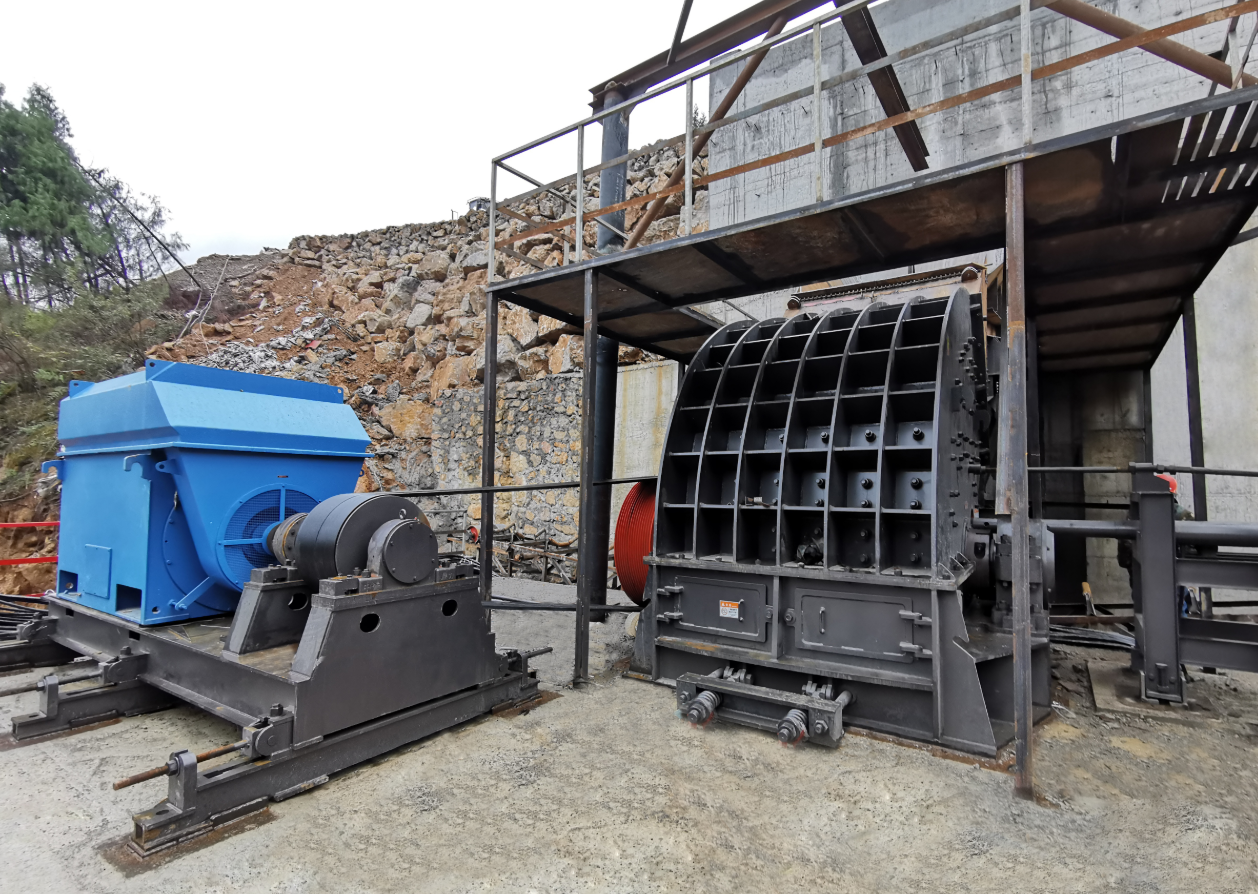
Manufactured Sand Crusher Maintenance: Tribology, Dust Control, and Predictive Diagnostics
Key Takeaway: Core crushers in manufactured sand plants operate under extreme abrasion, where fine silica dust (particle size < 75 microns) can penetrate bearing housings and cause catastrophic failures. Sustaining high plant availability requires deploying premium synthetic lithium-complex grease with extreme-pressure (EP) additives, maintaining active positive-pressure air purges on labyrinth seals, and using continuous vibration-velocity transmitters to intercept rotor imbalance before bearing seizure occurs.
⚖️ The Tribology of Sand Crushing: Managing Abrasive Silica Ingress
The maintenance profile of a manufactured sand crusher is fundamentally defined by the extreme abrasiveness of fine quartz and silica dust.
Unlike standard aggregate crushing, where coarse stone particles carry low surface-to-volume dust ratios, sand manufacturing produces a high volume of micro-fines (typically exceeding 15% of total throughput).
The Mechanism of Abrasive Ingress
Fine silica dust acts as an industrial grinding compound. When airborne dust settles on rotating shafts, capillary action can draw these micro-particles past worn rubber lip seals and directly into the bearing race.
Once inside, the quartz particles mix with the grease, forming a highly abrasive paste that scores rolling elements, destroys cage guides, and accelerates metal fatigue, causing a rapid rise in bearing operating temperatures.
Shear-Force and Vibration Stress
Continuous high-speed rotor impact (often exceeding 60 to 80 meters per second in Vertical Shaft Impact units) generates severe high-frequency micro-vibrations.
These vibrations can cause structural fasteners to back out and accelerate wear on internal wear plates, distribution cones, and feed tubes, requiring usage-driven maintenance schedules rather than traditional calendar-based intervals.
?️ Optimized Three-Stage Maintenance Schedule for Sand Plants
To control maintenance costs under continuous, high-abrasion silica loading, plant managers should enforce a tiered inspection and service schedule.
| Maintenance Frequency | Critical Engineering Focus | Key Target Tasks | Diagnostic Verification Method |
|---|---|---|---|
| Daily Pre-Shift | Structural and seal integrity. | Inspect rotor tip wear; verify drive belt tension; check dust cover gaskets. | Visual wear-limit gauge check; physical belt-deflection measurement. |
| Weekly / Monthly | Bearing lubrication and alignment. | Draw grease samples; torque bearing housing bolts; check motor base alignment. | Grease spectrographic analysis; dial-indicator alignment check. |
| Annual Overhaul | Structural restoration. | Re-balance rotor assembly; replace main chamber liners; calibrate hydraulic tensioners. | Dynamic balancing to ISO 1940 G1.6 standards; ultrasonic weld inspection. |
⚙️ Lubrication Engineering: Fighting Contamination in Sand Environments
Standard lubricating greases cannot withstand the combined thermal, moisture, and particulate demands of high-silica sand crushing.
Grease Selection Standards
Thickener Type: Lithium-complex or calcium-sulfonate complex thickeners are highly recommended. They provide excellent water-washout resistance and high thermal shear stability under heavy loads.
Base Oil Viscosity: Select high base oil viscosity formulations (ISO VG 220 to VG 460) with extreme-pressure (EP) additives to maintain a continuous, protective lubricating film between rolling elements even when subjected to intense micro-shocks.
Consistency: NLGI Grade 2 consistency is the industrial benchmark for most high-speed roller bearings in VSI and cone crushers.
Active Sealing and Purging Protocols
To prevent dust ingress, bearing housings should utilize multi-stage labyrinth seals equipped with active grease purge channels. During relubrication, fresh grease must be pumped slowly into the housing while the shaft is rotating, forcing older, contaminant-packed grease outward through the purge ports.
Wipe all grease fittings clean before attaching grease gun couplers to prevent pushing surface dust directly into the bearing chamber.
?? Field Case Study: Stopping Premature Bearing Failures on a VSI Shaper
A large-scale manufactured sand plant in North Carolina processing highly abrasive granite sand experienced repeated catastrophic bearing failures on their 300 kW Vertical Shaft Impact (VSI) crusher, averaging a bearing seizure every 450 operating hours.
The Diagnosis
Root Cause: An investigation by our tribology team revealed that the bearing housing's lower rubber lip seal was failing due to continuous contact with abrasive rock-dust slurry. This allowed fine quartz particles to enter the bearing race, where they contaminated the lithium grease and caused severe abrasive wear.
Loss Profile: Each bearing failure cost the operator over $14,000 in replacement parts and caused 16 hours of unscheduled plant downtime, resulting in significant contract delivery delays.
The Engineering Rectification
The plant implemented a robust engineering upgrade:
Seal Upgrade: The standard lip seal was replaced with a non-contact dual-labyrinth metal seal featuring an integrated, positive-pressure grease channel.
Lubrication Adjustments: The grease type was changed to a premium synthetic calcium-sulfonate grease with a high base oil viscosity of ISO VG 460, and the daily manual greasing routine was replaced with a automated single-point lubrication pump that injected 2 grams of grease every 15 minutes of operation.
Vibration Monitoring: A dual-axis vibration-velocity transmitter (4-20mA output) was mounted directly to the main bearing cartridge housing.
The Results
Following these modifications, the VSI crusher's bearing lifespan extended from 450 hours to over 3,200 operating hours.
The vibration sensors allowed the operator to detect and correct minor rotor tip imbalances before they caused bearing damage, reducing overall annual maintenance expenses by 72% and stabilizing aggregate quality.
? Crusher Maintenance Engineering Audit Checklist
Before resuming operations after a scheduled maintenance shut-down, the mechanical supervisor must verify compliance with the following:
| Inspection Metric | Performance Benchmark | Field Verification Method |
|---|---|---|
| Rotor Balance Quality | Compliant with ISO 1940 Grade G1.6 | Dynamic balancing machine run; verify residual imbalance is below limit. |
| Vibration Velocity | Under 4.5 mm/s RMS during normal loaded run | Continuous monitoring via calibrated vibration transmitters. |
| Labyrinth Seal Clearance | 0.5 mm to 1.0 mm gap width along the shaft | Physical verification using a feeler gauge. |
| Belt Tension Deflection | 15 mm to 20 mm deflection under 10 kg force | Spring-scale tension gauge physical deflection test. |
Table of Contents
-
Manufactured Sand Crusher Maintenance: Tribology, Dust Control, and Predictive Diagnostics
- ⚖️ The Tribology of Sand Crushing: Managing Abrasive Silica Ingress
- ?️ Optimized Three-Stage Maintenance Schedule for Sand Plants
- ⚙️ Lubrication Engineering: Fighting Contamination in Sand Environments
- ?? Field Case Study: Stopping Premature Bearing Failures on a VSI Shaper
- ? Crusher Maintenance Engineering Audit Checklist