
 EN
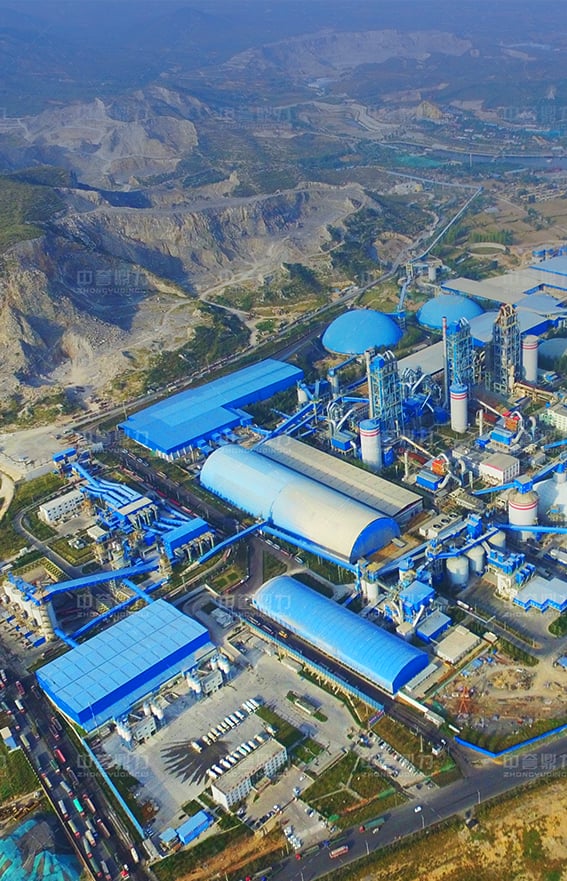
A crusher plant budget rarely fails because of the machines. It fails because buyers price the equipment and forget everything around it. Foundation pads, high-voltage power supply, conveyor galleries, commissioning crews, and the first shipment of wear parts all arrive as surprises on the final invoice. This guide breaks a complete budget into line items so procurement teams can plan with confidence rather than hope.
Separate Capital Expenditure From Operating Expenditure
What belongs to capital expenditure (capex)
Capital expenditure covers assets that stay on the balance sheet: the crushers, vibrating screens, feed hoppers, steel structures, and control cabins. A new crusher plant treats primary and secondary crushers, the vibrating feeder, and screening towers as fixed investment. These items depreciate, get financed, and define the production capacity and target particle size of the whole line. EPC delivery bundles much of this hardware into one capitalized package that is easier to finance.
What belongs to operating expenditure (opex)
Operating expenditure covers everything the line consumes to keep running. Electricity, diesel for loaders, liner plates, conveyor belt splices, lubricants, and labor fall here. Many buyers understate opex because it feels small per month, yet over a five-year horizon operating cost often rivals the original capital outlay. Budgeting both columns prevents the classic trap of a cheap build with an unaffordable running cost.
Why the split matters for financing and planning
Lenders and internal controllers read capex and opex differently. Capex supports asset-backed financing; opex flows through the P&L and affects unit cost per ton of aggregate. Separating them lets a quarry operator model the true cost per ton and decide where a modular design or a smarter drive pays back fastest. It also exposes risk early for the crusher plant: a line that looks cheap on equipment but carries a heavy electricity and wear parts load may post a poor return on investment over its service life. Energy and liner inflation can erase a thin margin, so modeling opex sensitivity protects the financing case.
Map the Core Equipment Line Items
Primary crushing and the vibrating feeder
The primary station sets the tone for the entire budget. A heavy hammer crusher or jaw crusher handles the incoming rock, while a ZGC vibrating feeder meters feed size and protects the crushing chamber from overload. Selecting the wrong reduction ratio here forces expensive upgrades downstream. Specifying motor power against measured material hardness on the Mohs scale, not catalog averages, avoids an undersized and overloaded primary stage. This discipline protects the whole crusher plant from chronic downtime and rebuilds.
Screening, conveyor belts, and the production line
Secondary units—impact crushers, cone crushers, and 3YKQ vibrating screens—shape the final gradation and discharge size. The often-forgotten line items are the conveyor belts, transfer points, and gallery steel that move material between stations. A 250–300 TPH granite production line needs carefully sized conveyors; undersized belts bottleneck the whole plant and quietly destroy throughput. Treat material handling as core equipment, not an afterthought.
Find the Hidden Costs Before They Break the Budget
Foundation, power supply, and commissioning
A crusher plant sits on concrete that must absorb vibration and dynamic loads. Poor soil or hard rock demands deeper footings, and that civil cost is rarely in the equipment quote. High-voltage power supply, transformers, and cable runs add more. Commissioning—alignment, load trials, and control tuning—needs specialist crews for days. Electrical works must follow NFPA 70 for wiring and NFPA 652 where combustible dust is present, while ANSI guards protect moving parts. Skipping these invites retrofits and shutdowns.
Spare parts, wear parts, and dust control
Wear parts—blow bars, liner plates, rotors, and screen media—erode with every ton processed, faster on high silica content rock. Stocking an initial spare parts kit prevents a single failed component from stopping the line. Dust control and noise control systems satisfy OSHA and local emissions rules; ignoring them risks shutdowns. A planned maintenance schedule, tracked through the smart control system, predicts liner plate wear before failure. Replacement lead time for rotor and screen media belongs inside the spare parts budget, not as an emergency purchase. A maintenance reserve should cover two wear cycles of liner plates and screen media, not just the first shipment.
A Field Case and a Step-by-Step Budget Plan
Granite line case: problem, solution, result
A granite operation in Xichang faced hard rock that hammered wear parts and stressed foundations. The selected solution paired a KPC1313 double-chamber hard rock crusher with a ZGC1250 vibrating feeder and 3YKQ2470 screens under EPC delivery. The crusher plant reached stable 250–300 TPH with final products graded to 26–31, 16–26, 13–16, 5–13, and 1–5 mm. The budgeting lesson was clear—site-specific rock hardness on the Mohs scale, not a generic quote, defined the real spend and the payback period.
Site survey, feasibility study, and contingency reserve
Start every budget with a site survey and a feasibility study that records feed size, material hardness, and silica content. Use the data to size equipment and civil works honestly. Then hold a contingency reserve of roughly ten percent for unknowns like groundwater or rock variability. Smart control systems and a green mine layout reduce labor and energy per ton, protecting the budget long after commissioning ends and keeping operating cost predictable. Early civil works and conveyor alignment reduce rework during commissioning and shorten the startup window.
A well-built crusher plant budget shows every cost before the first machine ships. Separate capital expenditure from operating cost, price the hidden civil and power works, stock wear parts, and validate the plan against a real site survey. Buyers who follow this line-item discipline avoid surprise invoices and keep the production line profitable from day one.
Frequently Asked Questions
Question
What major hidden costs affect a crushing plant budget?
Answer: Hidden costs include deep foundations for vibration, high-voltage power supply and transformers, conveyor galleries, commissioning crews, and the first wear parts shipment. Dust control and noise control systems add more to meet OSHA and emissions rules. Site surveys often reveal soil or rock conditions that raise civil works. Pricing these line items upfront prevents the budget overruns that surprise most first-time buyers after equipment delivery and startup.
Question
Why separate capital expenditure from operating expenditure when budgeting?
Answer: Capex covers fixed assets like crushers, screens, and steel structures that support asset financing and depreciation. Opex covers electricity, wear parts, lubricants, and labor that flow through the P&L. Separating them lets a quarry model true cost per ton of aggregate and compare financing options. Many projects look cheap on equipment but fail on running cost, so both columns must be planned together for an honest budget and a sound return on investment.
Question
How does rock hardness affect the crushing plant spend?
Answer: Harder rock with high silica content accelerates wear on liner plates, rotors, and blow bars, raising spare parts consumption and downtime. It also demands stronger foundations and higher motor power at the primary stage. A site survey measuring material hardness and feed size prevents undersizing. Matching equipment to real rock conditions protects throughput and avoids costly upgrades after the production line is already installed and running at full load.
Question
Which standards apply to safety in a crushing plant budget?
Answer: Budgets should include compliance with OSHA worker safety rules, ANSI machine guard requirements, and NFPA electrical and combustible-dust codes for dust control systems. ISO 9001 quality management supports consistent manufacturing and commissioning. European sites may need EN or CE marking. Planning these controls early avoids retrofits and shutdowns, keeping the aggregate operation legal, safe, and continuously productive from the first day of startup.
Question
Can a modular design reduce total crushing plant cost?
Answer: Modular steel-structure designs use prefabricated frames assembled on site, cutting installation time and labor versus traditional builds. A documented project achieved roughly fifty percent lower installation effort and forty percent less labor using containerized modular assembly. For remote or fast-track sites, this shrinks the commissioning window and frees working capital. Modular layout also simplifies future expansion of the crusher plant without full rebuilds or long shutdowns.