
 EN
EN
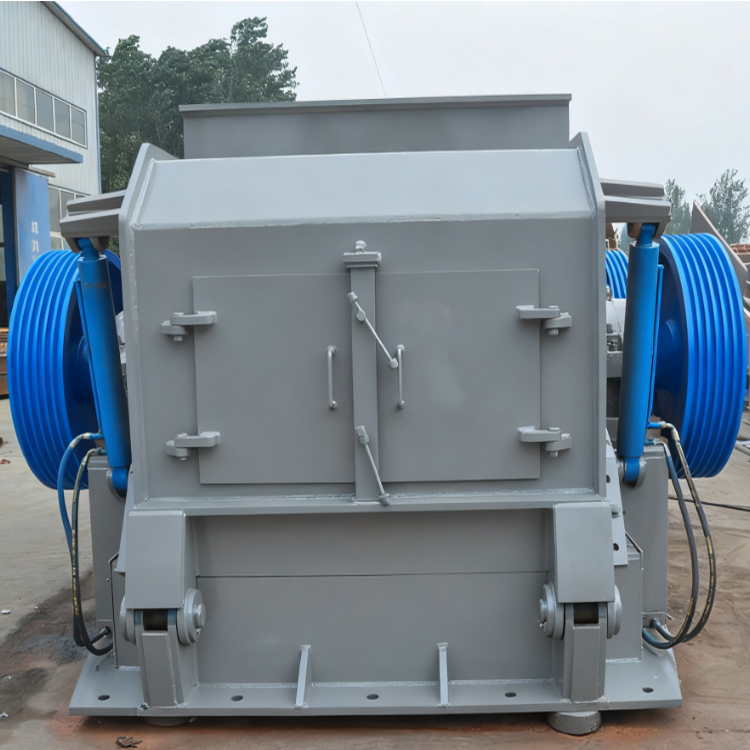
Why Ore Crushing Is the Critical First Stage of Comminution
A well-designed stone crusher plant sets the foundation for all downstream processing. The size reduction performed in the crushing stage directly influences how efficiently grinding, flotation, and leaching circuits can liberate valuable minerals from host rock. Without precise control over the crushed product size, the entire mineral processing chain suffers from higher energy consumption, lower recovery, and increased wear.
Crushing transforms run-of-mine ore—from boulders up to a meter in diameter—into a controlled feed typically 100 to 300 mm after primary crushing and further reduced to 25 to 30 mm post-secondary. This step dramatically increases particle surface area, exposing more mineral grains to subsequent physical or chemical separation. In grinding, a well-graded, narrowly distributed feed reduces mill workload: oversized lumps demand disproportionate energy and cause uneven wear, while excessive fines increase slurry viscosity and reduce throughput.
For flotation, particles outside the optimal liberation range—too coarse to float or too fine to separate selectively—lower grade and recovery; over-grinding generates slimes that consume reagents and hinder bubble attachment. In leaching, consistent, porous particle sizing ensures uniform solution penetration and maximizes metal dissolution kinetics. Thus, crushing defines the operational particle size window for all downstream steps. When the crusher consistently delivers the target product size, the circuit becomes more predictable, stable, and profitable.
Although crushing accounts for only 10 to 15% of total comminution energy, it governs up to 80% of overall circuit throughput. Downstream units are bottlenecked by the size and uniformity of the crushed feed: a coarser output forces the grinding circuit to expend more energy and time achieving final grind size, reducing mill capacity and increasing specific energy consumption. Conversely, optimizing crusher settings to deliver a consistent, optimum product size can lift mill throughput by 20% or more while lowering grinding energy intensity. In modern stone crusher plants, fine-tuning the closed-side setting, reduction ratio, and screening configuration directly translates into higher productivity and lower operating cost per ton—making crushing the most leveraged stage for comminution efficiency gains.
Stone Crusher Plant Configuration: Matching Equipment to Ore Type
Configuring a stone crusher plant demands precise alignment of crushing stages with the ore’s physical properties, feed conditions, and downstream process requirements. The primary, secondary, and tertiary crusher selections directly influence circuit throughput, product size distribution, and overall operating costs.
Primary crusher choice pivots on three factors: maximum feed size, rock hardness, and clay content. The table below compares the two dominant options for hard-rock applications:
| Parameter | Jaw Crusher | Gyratory Crusher |
| Maximum Feed Size | Up to 1,200 mm | Up to 1,300 mm |
| Throughput Capacity | Moderate, fits most quarry operations | Ultra-high, exceeding 14,000 t/h |
| Rock Hardness Suitability | High (granite, basalt) | High (all hard ores) |
| Clay and Sticky Ore Handling | Wide closed-side setting prevents bridging; tolerates moderate moisture | Large feed opening reduces blockages; may require spider-arm design modifications |
For ores with heavy clay content, jaw crushers with a generous setting often avoid bridging, while gyratory units handle blocky, sticky feed more reliably—requiring careful engineering to prevent buildup. Both excel with abrasive rocks; the deciding factor is required scale and throughput.
Cone crushers are the standard for secondary and tertiary crushing in hard-rock applications, delivering consistent size control through adjustable settings and high reduction ratios. Their robust, well-graded output supports efficient grinding or direct leaching. For finer sizing and energy-efficient comminution, High-Pressure Grinding Rolls (HPGRs) are increasingly deployed. HPGRs compress an ore bed between counter-rotating rolls, generating micro-cracks that enhance mineral liberation without excessive fines generation. This mechanism reduces downstream grinding energy by up to 30% and enables precise sizing down to 3 to 5 mm. Integrating cone crushers upstream of an HPGR combines high throughput with superior liberation—optimizing the full comminution circuit.
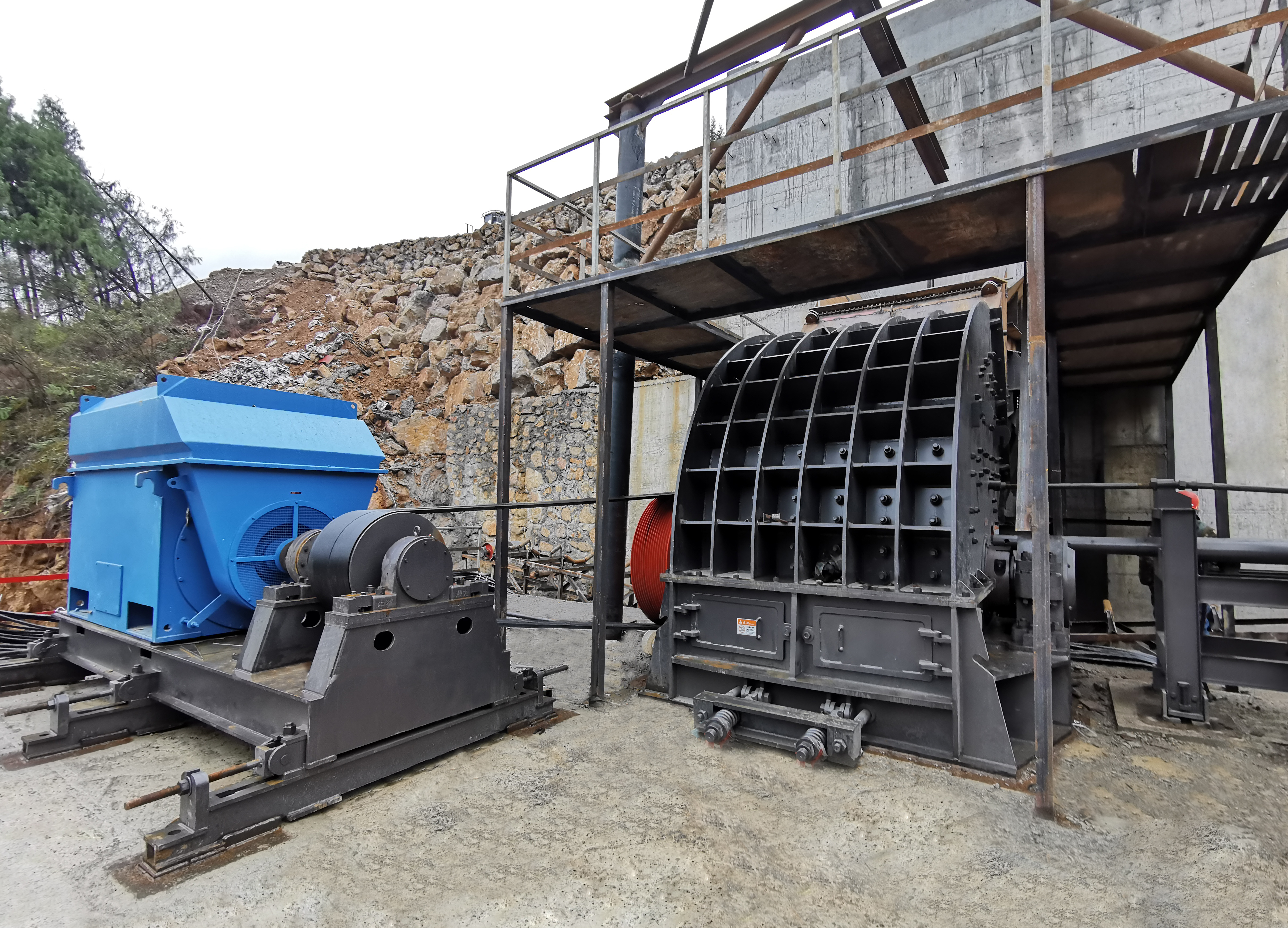
Engineering a High-Performance Stone Crusher Plant Layout
Throughput hinges on synchronizing feed size with the crusher’s designed output size. A mismatch forces recirculation of oversized material, wasting energy and limiting net output. Aligning these parameters ensures the crusher operates near its volumetric capacity without choke-feeding or bridging. Feed presentation also matters: steady conveyor feed maintains uniform load and stable power draw, whereas intermittent truck-dump surges trigger protective shutdowns and accelerate wear. Consistent feed rate—adjusted for material bulk density—is essential. Heavy, high-density ores increase mass flow for the same volume, requiring recalibrated feeder speed. This alignment alone can lift circuit throughput by 10 to 15% without capital investment.
Crusher adjustments shape both product gradation and operating cost. A smaller closed-side setting yields finer product but reduces capacity and accelerates liner wear due to increased compression and dwell time in the chamber. Open-side setting governs maximum exit size: widening it boosts throughput at the expense of coarser output. Eccentric throw affects stroke frequency and crushing force—higher throw improves reduction in hard rock but raises power draw and mechanical stress. Every crusher has a practical reduction ratio limit—typically 4:1 per stage—beyond which recirculation rises and wear on mantles and concaves intensifies. Liner life depends directly on operational settings, ore abrasivity, and chamber geometry. Operators must balance these variables to extend maintenance intervals while meeting size targets—recognizing that marginal tonnage gains often increase total cost per ton through shortened component life and unplanned downtime.
Frequently Asked Questions
What is the primary purpose of ore crushing in comminution?
The purpose is to reduce large boulders into smaller sizes suitable for downstream processing like grinding, flotation, and leaching. This step determines the efficiency and effectiveness of the entire mineral processing chain.
How can optimizing the crushing stage improve energy efficiency?
Properly controlling the crusher’s settings and producing a consistent target size can reduce energy demands in grinding and boost overall throughput by 20% or more.
What factors influence the selection of a primary crusher?
Key considerations include maximum feed size, rock hardness, and the presence of sticky materials like clay, which affect the suitability of jaw or gyratory crushers.
Why are HPGRs used in secondary and tertiary crushing stages?
HPGRs are energy-efficient and generate micro-cracks that improve mineral liberation for finer particle sizes, enhancing downstream processing efficiency.
How does feed uniformity impact stone crusher plant performance?
Uniform feed ensures stable power draw, reduces wear on crushers, and prevents bottlenecks, maximizing throughput and minimizing operating costs.