
 EN
EN
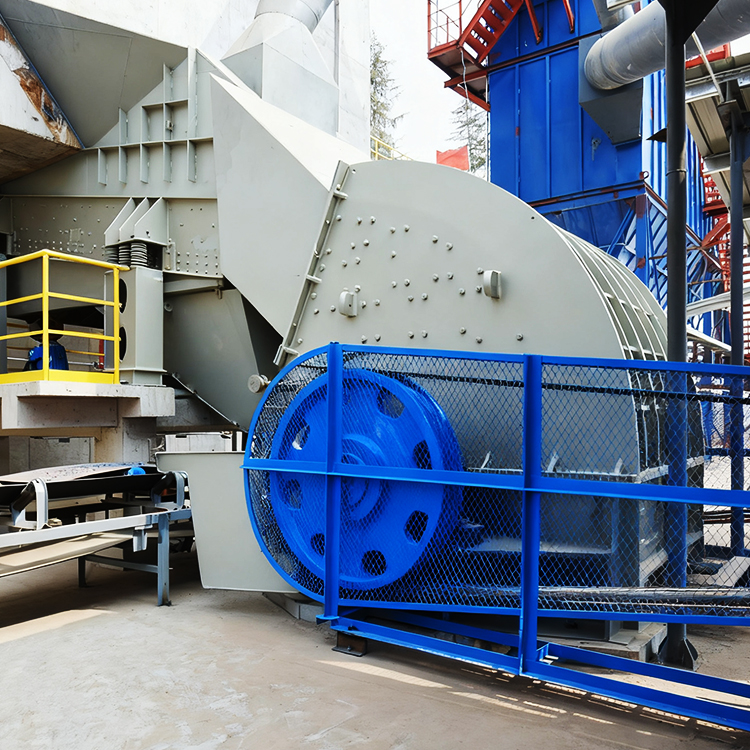
Aligning Quarry Plant Design with Life-of-Mine Strategy
A quarry’s stone crusher plant must be positioned as a permanent asset—not a temporary installation. Long-term production continuity requires that the plant layout be locked into the life-of-mine plan from the very first blast. Reserve modeling defines the orebody’s geometry and final pit limits, which in turn dictate the optimal crusher location. When the plant is sited too far from the advancing working face, haul distances grow, cycle times stretch, and fuel consumption spikes.
A real-world example illustrates the consequences: a 250 tph aggregate plant delivered only 35% of its rated capacity. Investigation revealed conveyors misaligned with the pit’s eventual contour, excessive material travel distances, and transfer points prone to blockages. After synchronizing the layout with the reserve model and re-routing conveyors to match the final pit shape, output jumped to 150 tph—a 40% improvement. Aligning plant design with the pit’s ultimate dimensions also slashes material rehandling, reduces spillage, and ensures infrastructure remains viable as the quarry deepens. This upfront integration is not a one-time exercise; it must be reviewed whenever the reserve model is updated, so that the crusher station, stockpiles, and conveyors stay in step with the mine’s evolution over two decades or more.
A stone crusher plant optimized solely for initial capital cost often bleeds cash over its 20-year service life. Lifecycle cost analysis shifts focus from purchase price to total cost of ownership. In a typical quarry, maintenance consumes 30 to 50% of total operating expenses. A modest increase in CAPEX can dramatically lower these long-term costs. For example, selecting a modular plant design with skid-mounted crushers and pre-engineered conveyors reduces on-site erection time and allows future reconfiguration at a fraction of the cost of a fixed installation. Energy is another dominant operational expense driver: a well-sized crushing circuit matching the reserve’s feed gradation avoids idling and overloading, cutting electricity consumption by up to 15%.
When the layout incorporates in-pit crushing and conveying from the outset, eliminating diesel-hungry haul trucks can shrink fuel costs by 40% over the mine’s life. The table below illustrates how a small front-end investment reshapes the 20-year cost profile:
| Cost Category | CAPEX-Focused Design | Lifecycle-Optimised Design |
| Initial Investment | $4.2 million | $4.8 million |
| Maintenance (20 Years) | $6.5 million | $4.1 million |
| Energy (20 Years) | $3.8 million | $2.9 million |
| Total 20-Year Cost | $14.5 million | $11.8 million |
The numbers speak for themselves: a 14% higher capital expenditure reduces the total lifetime cost by nearly 19%. By evaluating every capital decision through the lens of decades-long operation, quarry owners can lock in predictable, lower costs and extend the productive life of the stone crusher plant.
Optimizing Material Flow from Pit to Product
In-pit crushing and conveying fundamentally reshapes quarry material flow by relocating primary crushing from a fixed plant to the extraction face. This integration eliminates long-haul truck cycles, cutting fuel consumption and related emissions by up to 40%. For a stone crusher plant designed for 20-year production continuity, this setup synchronizes mining rate with downstream processing—ensuring steady feed to secondary and tertiary crushers. Its modular design supports phased expansion as the pit deepens, preserving throughput as haul distances grow. When combined with surge bins and belt conveyors, this approach decouples loading and crushing, buffering against short-term disruptions and stabilizing the entire operation. As a result, maintenance costs decline and asset utilization rises—directly supporting life-of-mine economics.
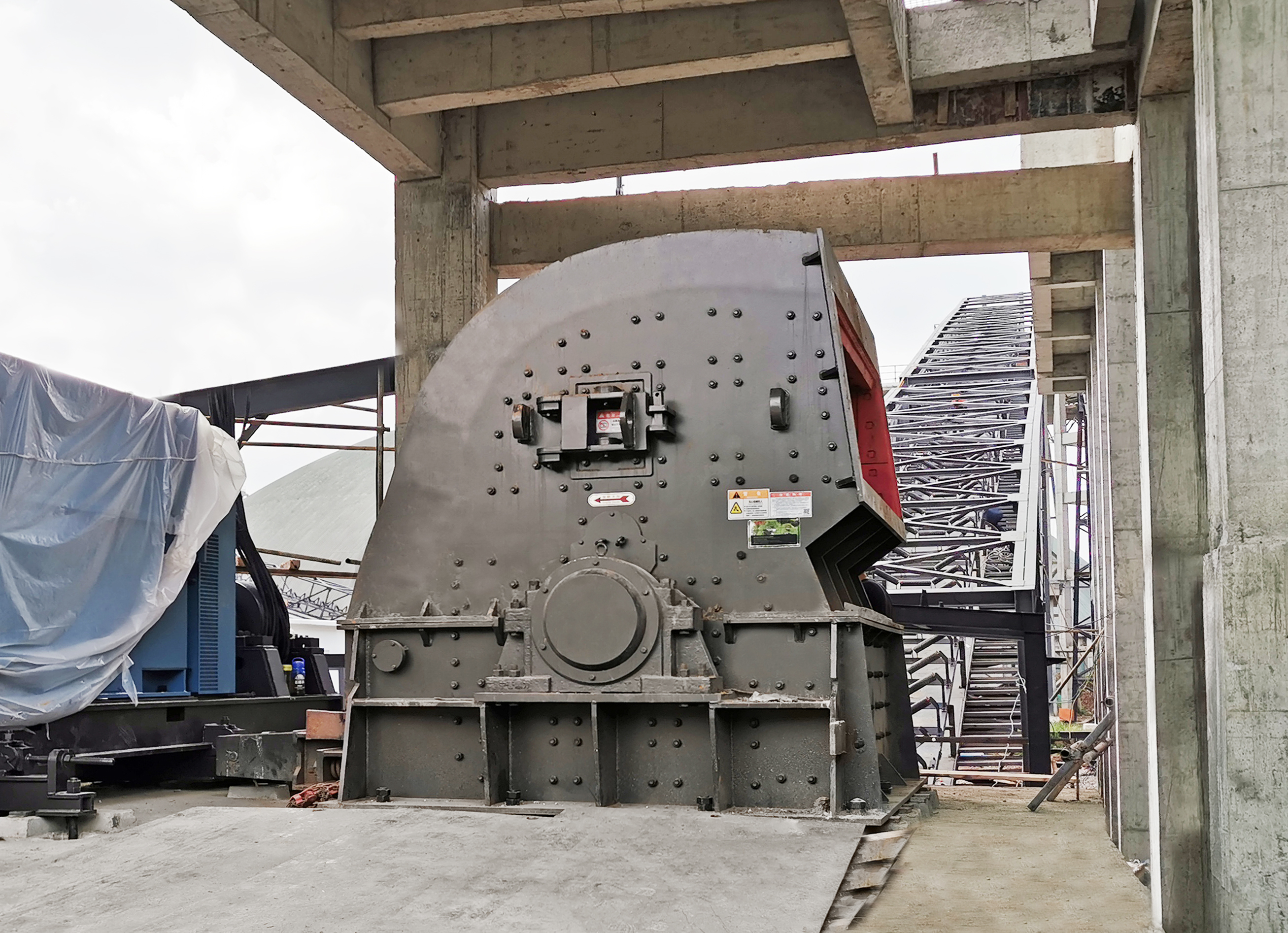
Energy-aware design targets the biggest power consumers in the comminution circuit. Pre-screening or scalping removes fines before the crusher, preventing unnecessary processing of already-sized material and saving up to 15% of total energy draw. Replacing conventional tertiary crushers with High-Pressure Grinding Rolls delivers up to 30% energy savings, while variable-speed drives on conveyors and screens adapt power use to real-time demand. In a stone crusher plant, these measures collectively shrink the carbon footprint without compromising output. Cascade feeding—directing coarse material to jaw or cone crushers and fines to vertical shaft impactors—further optimizes each machine’s efficiency. When paired with in-pit systems, the overall energy intensity per ton of crushed aggregate drops significantly, positioning the plant for both regulatory compliance and long-term cost leadership.
Strategic Site Planning for Sustainable Integration
Selecting the right site is the foundation of a high-performing stone crusher plant. Beyond geological suitability and proximity to raw material deposits, the location must support efficient logistics, secure utilities, and minimal environmental disturbance. A well-conducted site survey identifies topographic constraints, groundwater conditions, and settlement patterns—oversights that can raise earthworks costs by up to 15% if missed early. The site layout then translates these findings into a flow-oriented arrangement: placing primary crushing near the quarry face, aligning stockpiles to reduce rehandling, and routing conveyors to avoid crossing public roads. This integration shrinks diesel-dependent truck haulage, cutting both operational expense and carbon emissions.
Sustainable integration also demands proactive environmental controls. Enclosed transfer points, water spray systems, and berms limit dust and noise, while sedimentation ponds and water recycling circuits manage runoff—often enabling near-zero liquid discharge. Forward-looking planners reserve space for future expansion or modular capacity upgrades, ensuring the stone crusher plant can adapt to market shifts or regulatory changes without costly relocations. By embedding these principles into site strategy, operators build a plant that performs reliably over decades, aligning with life-of-mine goals and community expectations.
Data-Driven Sizing and Equipment Selection
Precise equipment sizing transforms guesswork into a deliberate, data-backed process. A stone crusher plant’s primary station must handle the peak feed size determined by blast fragmentation analysis, ensuring the crusher intake opening exceeds the largest 80% passing size by at least 20%. Feed gradation curves dictate whether a scalping screen is needed to bypass fines—directly impacting chamber wear and throughput. Haul cycle time is not isolated; it synchronizes the loader fleet with the crusher’s surge capacity to prevent idle time or overloading. For instance, a cycle time exceeding 15 minutes often requires a larger feed hopper or additional trucks to maintain steady choke-fed conditions.
Downstream demand from secondary crushers and screens then governs the primary’s closed-side setting and speed. Real-time telemetry from belt scales and level sensors allows operators to fine-tune these parameters continuously, balancing instantaneous tonnage with product quality. Without this integration, even a correctly sized machine can suffer 10 to 15% throughput loss due to intermittent feeding or misaligned gradation—undermining the entire processing line’s long-term economics.
Frequently Asked Questions
What is meant by aligning quarry plant design with the life-of-mine strategy?
Aligning quarry plant design with the life-of-mine strategy involves integrating stone crusher plant layout and functionality with the long-term mining plan to ensure optimal efficiency, cost management, and operational continuity over several decades.
What is lifecycle cost optimization in stone crusher plant design?
Lifecycle cost optimization focuses on minimizing the total cost of ownership, which includes initial capital investments, operational expenses, and maintenance costs over the plant's operational lifespan, rather than prioritizing the lowest upfront cost.
What is In-Pit Crushing and Conveying?
In-Pit Crushing and Conveying is a system in which primary crushing is relocated from a fixed plant to the quarry face, significantly reducing the need for long-haul trucking, hence lowering fuel costs and emissions, while improving efficiency.
Why is energy-efficient design important for stone crusher plants?
Energy-efficient design minimizes energy consumption and carbon footprint without compromising output. Strategies like pre-screening, using High-Pressure Grinding Rolls, and variable-speed drives on conveyors and screens can dramatically lower energy costs.
What are the benefits of a well-planned site layout for stone crusher plants?
A well-planned site layout ensures efficient material flow, reduced rehandling of materials, minimized environmental impact, and lower operational costs due to reduced haulage distances and optimized logistics.
Why is equipment sizing important for stone crusher plants?
Proper equipment sizing ensures that the plant can handle peak feed sizes and that every element, from crushers to conveyors, works harmoniously to maximize efficiency and prevent operational bottlenecks over the facility's lifespan.