
 EN
EN
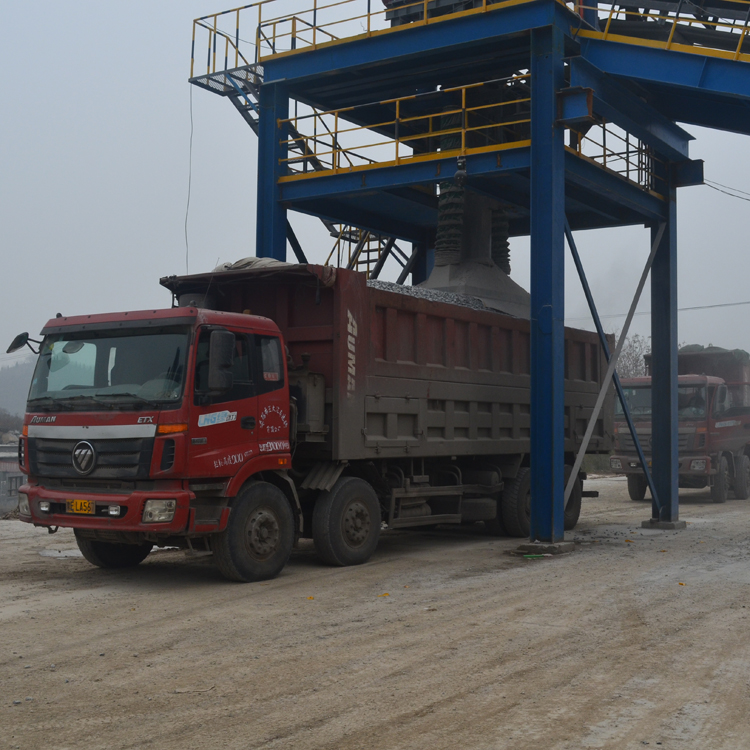
Assessing Performance in an Aggregate Production Line
To optimize an aggregate production line, you must first understand how each stage—crushing, screening, and conveying—currently performs and interacts. Two critical analyses form the foundation: workflow mapping and time-driven bottleneck identification.
Start by documenting every step in the production chain. Break down the crushing stage into primary, secondary, and tertiary sub-processes, noting equipment types, feed sizes, and discharge settings. For screening, map each deck’s aperture size, vibration frequency, and material split ratios. On the conveying side, record belt speeds, transfer-point designs, and surge pile capacities. This granular view reveals hidden inefficiencies—such as recirculating loads that mask true throughput or manual interventions that create idle time.
A structured task analysis helps separate value-adding actions from waste. The table below summarizes typical analysis points across stages:
| Stage | Key Tasks | Analysis Focus |
| Crushing | Feed control, crusher gap adjustment, liner wear monitoring | Reduction ratio, power draw, throughput rate |
| Screening | Deck cleaning, media inspection, stroke/angle checks | Undersize/oversize separation efficiency |
| Conveying | Belt tracking, spillage cleanup, chute inspection | Transfer loss, speed consistency |
Mapping these tasks against time and material flow uncovers mismatches. For example, a crusher operating at 90% capacity but feeding a screen that reaches blinding at 80% load creates a bottleneck. Task-level data allows you to pinpoint exactly where to focus improvement efforts—without this baseline, any change risks being a shot in the dark.
Bottlenecks rarely appear as a single broken machine. More often, they emerge from subtle timing mismatches between stages. Measure the complete cycle time of every unit operation—from material entering the primary crusher to exiting the final screen—and compare it to the theoretical cycle time derived from design capacities. Industry analyses of aggregate operations indicate inconsistent feed rates are the primary cause of many production delays, rather than sudden equipment failures.
Feed rate consistency is especially critical. A surge of oversized material can stall a crusher, while a lull starves downstream screens and conveyors. Use real-time monitoring to track the coefficient of variation in feed rate—even a small fluctuation can reduce overall line efficiency significantly. When you identify the time period where material accumulates or equipment runs empty, you isolate the bottleneck. From there, solutions like adding a surge bin before the bottleneck or adjusting feeder speeds can be precisely targeted. This data-driven approach converts guesswork into actionable line balancing.
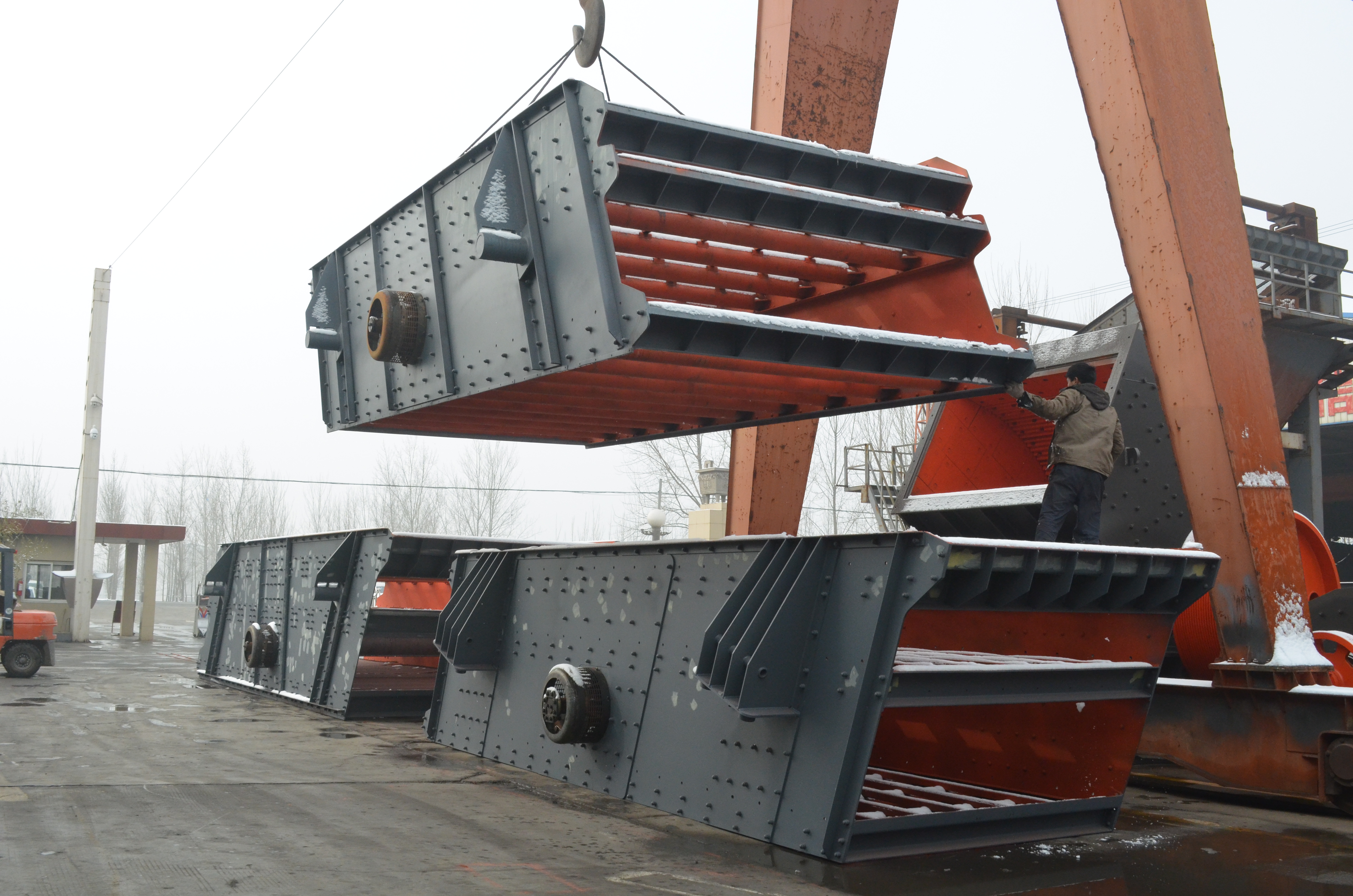
Designing an Efficient Aggregate Production Line Layout
Effective zoning divides the aggregate production line into dedicated areas—receiving, crushing, screening, and stockpiling—each designed to streamline bulk material flow. A logical sequence reduces unnecessary movement and minimizes transfer points where material loss often occurs. Positioning the primary crusher close to the feed hopper and screens directly after the crusher shortens conveyor runs, decreasing spillage and dust generation. Buffer zones between stages absorb rate fluctuations, preventing surges that overwhelm downstream equipment. Enclosed transfer chutes and sealed skirts at drop points contain fines and prevent airborne dust, cutting material loss by up to 5% compared to open transfers. Gravity-assisted flow wherever possible reduces energy consumption and mechanical wear. Good zoning also considers maintenance access, with wide walkways and clear spaces around equipment ensuring safe, efficient servicing without disrupting production. A well-executed zoning strategy forms the backbone of a high-performing aggregate production line, directly impacting throughput and cost control.
Smooth integration of crushers, screens, and conveyors is critical to avoid bottlenecks. The crusher’s capacity must match the screen’s processing rate—an oversized crusher feeding a smaller screen leads to recirculating loads and wasted energy. Screen efficiency is typically rated at 90 to 95% for properly sized materials, so the conveyor feeding the screen should handle peak loads without overloading. If the primary jaw crusher delivers high hourly tonnages, the downstream scalping screen must process at least proportionally more to account for surges. Conveyor speeds and belt widths are then selected to maintain consistent feed rates, preventing starvation or flooding. Integrated control systems that monitor crusher load, screen amplitude, and belt speed in real time help operators adjust parameters dynamically, maintaining optimal flow. When these components are aligned, the aggregate production line operates with minimal downtime and maximum material yield, reducing the cost per ton significantly.
Streamlining Setup and Changeover in Operations
Reducing downtime during product transitions is a direct lever for increasing the overall capacity of an aggregate production line. In multi-product quarries, changeovers often involve adjusting crusher closed-side settings, swapping screen meshes, and reconfiguring conveyor routing—a process that can consume hours of valuable production time. The key is to convert as many internal activities (those performed while the line is stopped) to external ones (those completed while it runs).
A systematic approach focuses on three core areas:
Standardized Procedures: Documenting exact, step-by-step adjustment sequences for each type of product change eliminates guesswork and operator variability, ensuring consistent setup quality.
Pre-staged Tooling and Parts: Kitting all necessary screen panels, wear parts, and specialized tools at the changeover point before the line stops prevents time wasted searching for critical components.
Quick-Change Mechanisms: Investing in modular screen decks, hydraulic clamping systems, and automated recipe-controlled settings on crushers transforms hour-long adjustments into tasks measured in minutes.
By engineering the setup process for speed and repeatability, operations can shrink batch sizes, respond more agilely to customer demands, and significantly boost the productive runtime of the entire aggregate production line.
Applying Lean Principles to Sustain Efficiency
Documenting precise operator steps for crusher start-up, choke feeding, and gap adjustment eliminates variation in the aggregate production line. A clear standard work sequence ensures every shift follows the same logic, preventing overloading or underfeeding that degrades throughput. Pairing these procedures with real-time cycle time monitoring captures the exact duration of each crushing cycle. Sensors on the feeder and crusher motor track dwell time, material acceleration, and discharge intervals, highlighting deviations from the target cadence. This data lets supervisors correct feed rate inconsistencies immediately. When a jaw crusher’s cycle stretches beyond the ideal duration, the system flags a potential blockage or wear issue. Sustained monitoring then feeds into continuous improvement, tightening setpoints incrementally. Lean thinking transforms the crusher-feeder interface from a variable black box into a stable, measurable process that preserves efficiency gains over time.
Frequently Asked Questions
Why is workflow mapping important in optimizing an aggregate production line?
Workflow mapping helps document every step in the production chain, enabling the identification of hidden inefficiencies and bottlenecks across crushing, screening, and conveying stages.
What are the common causes of bottlenecks in aggregate production lines?
Bottlenecks often arise from timing mismatches between stages, inconsistent feed rates, or equipment not operating at synchronized capacities.
How can zoning strategies reduce material losses in aggregate production?
Effective zoning minimizes material transfer points, reduces unnecessary movement, and uses enclosures and sealed skirts to lower spillage and dust generation.
What role does real-time monitoring play in sustaining efficiency?
Real-time monitoring ensures consistent feed rates, highlights cycle time deviations, and allows for immediate corrective actions to prevent delays and maintain efficiency.