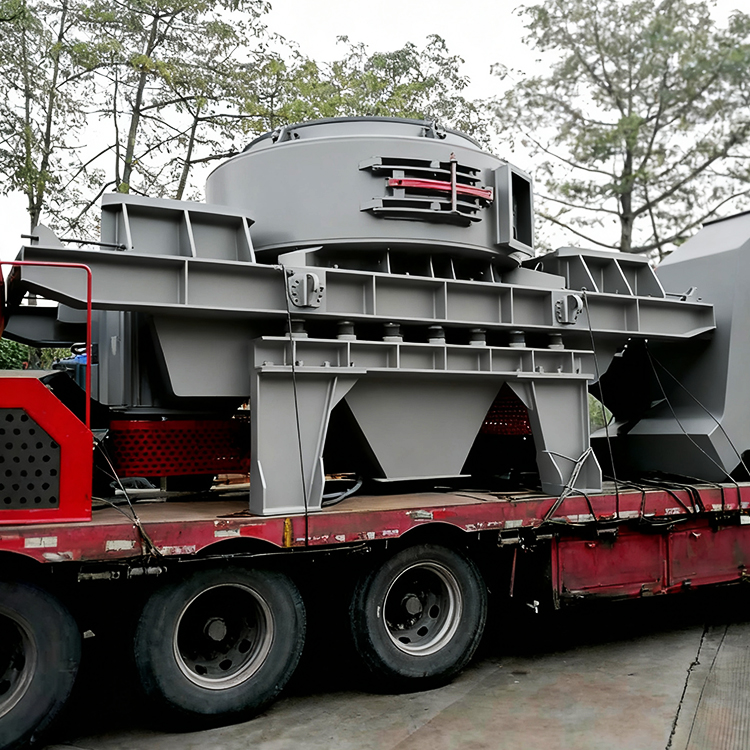
Impact Crusher 1214 | 80-160 TPH Capacity
Lessons Learned from Handling 120,000 Tonnes of Limestone
A cement plant in Vietnam had issues with their limestone feed. Previously, they used a hammer crusher, but the high cost of maintenance and lack of control over the shape of the end product led them to come up with an alternative. Our team provided them with a solution using the PF1214 impact crusher. In the absence of information on the optimal rotor speed and clear gaps on the bars, our team adjusted the impact crusher to the best of their ability and let it run.
The impact crusher had no major issues in the first month, and crushed 80 to 160 tonnes of limestone per hour. End product shape with the use of the impact crusher was much better compared to the hammer crusher and led to a better concrete mix.
In a study done in 2021 by the European Aggregates Association, impact crushers with hydraulic adjustments for the breaking plates, reduced downtime by 25% compared to impact crushers with manual adjustments.
Get A Quote

 EN