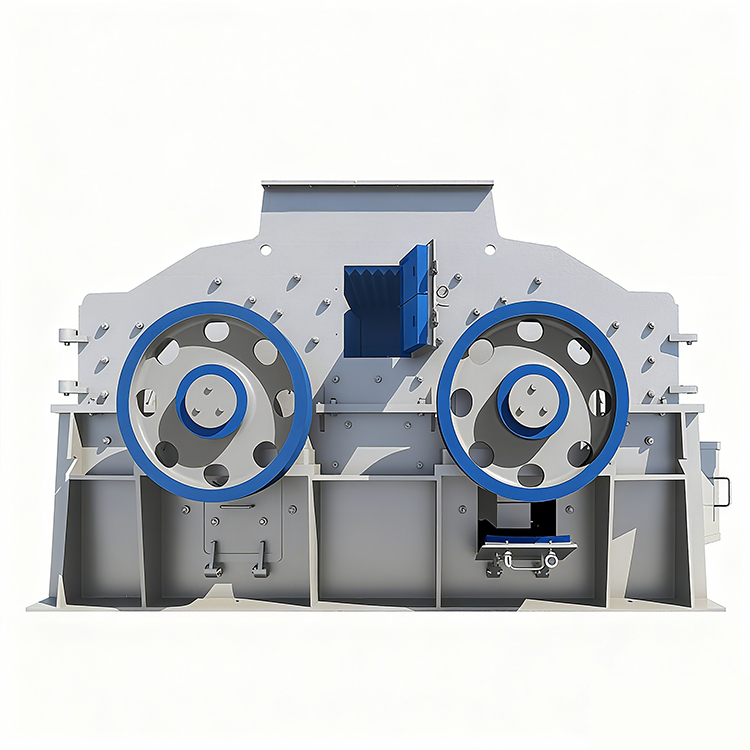
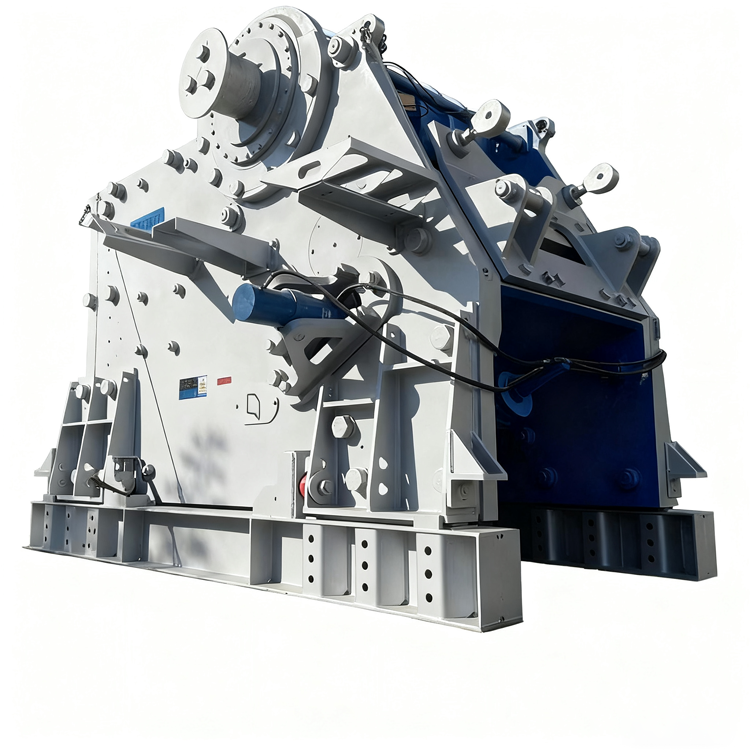
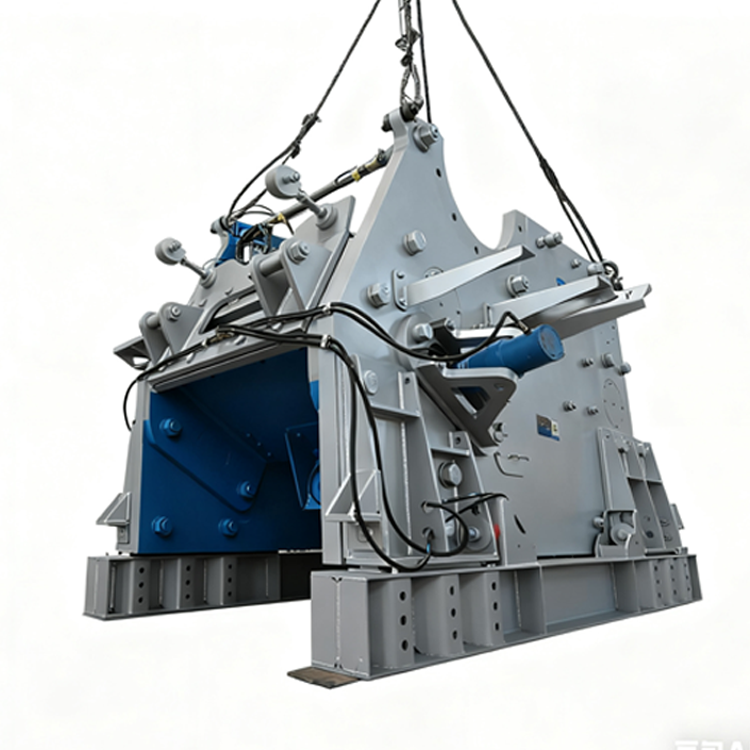
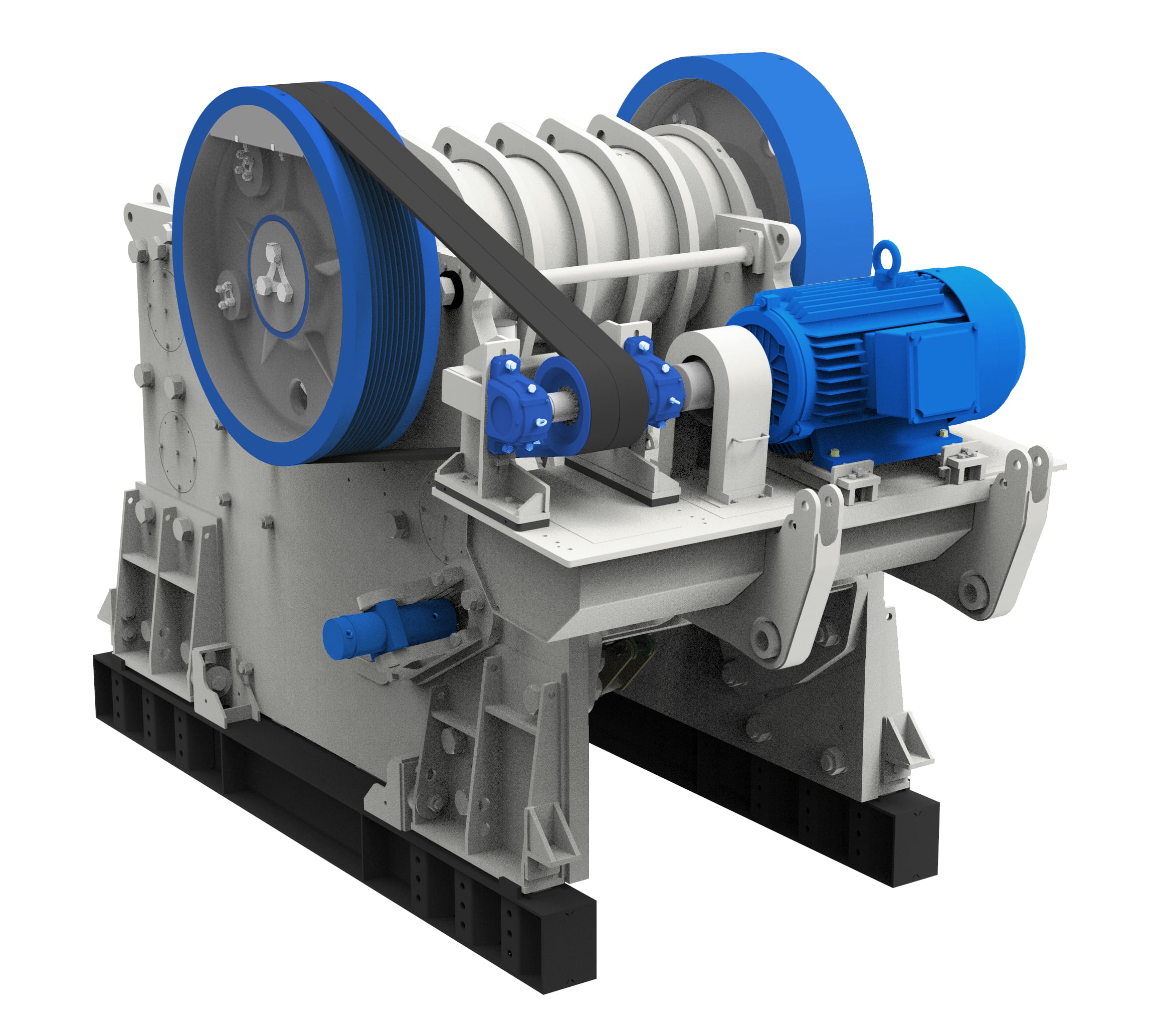
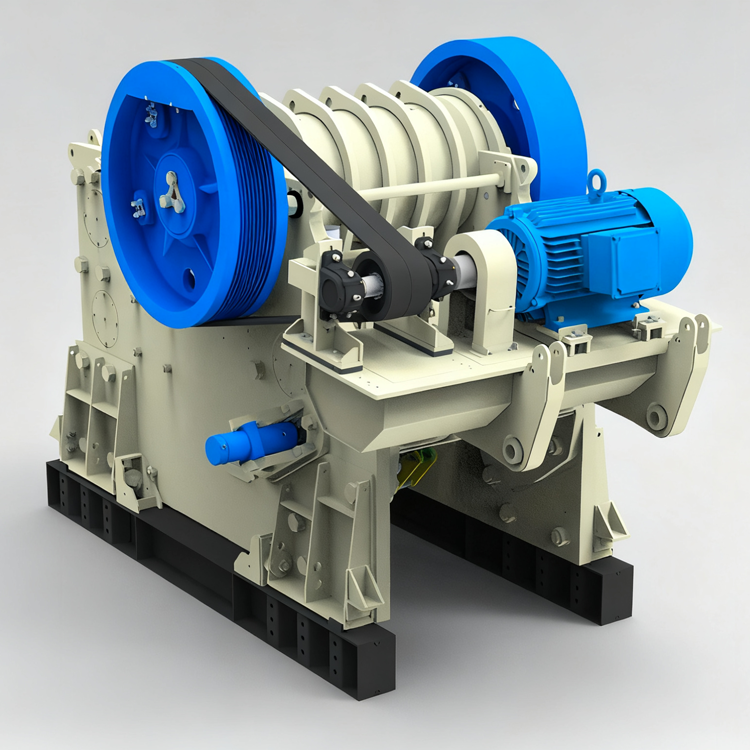
Double Rotor Hammer Sand Making Machine | High-Efficiency Impact Crushing
A batching plant in Vietnam is using our double rotor hammer to cube their sand and passes their slump tests. Before us, they used 3 different crushers and 15.5 meters of their concrete as it poured out of the chute and failed slump tests. With our machine, they no longer had issues with sand slump.
Single rotor units, rearm the particle and leave it elongated. For cubical particles, a double rotor unit is necessary. The European Aggregates Research Council, in their 2022 study, mentioned that double rotor impact crushers resulted in 18% more cubical sand compared to single rotor impact crushers.
Our machines has been used to crush basalt, andesite, and limestone. With proper maintenance, the blow bars have a rotating motion to shape the particles, hence it can crush sand with high silica content.
Get A Quote

 EN