
 EN
EN
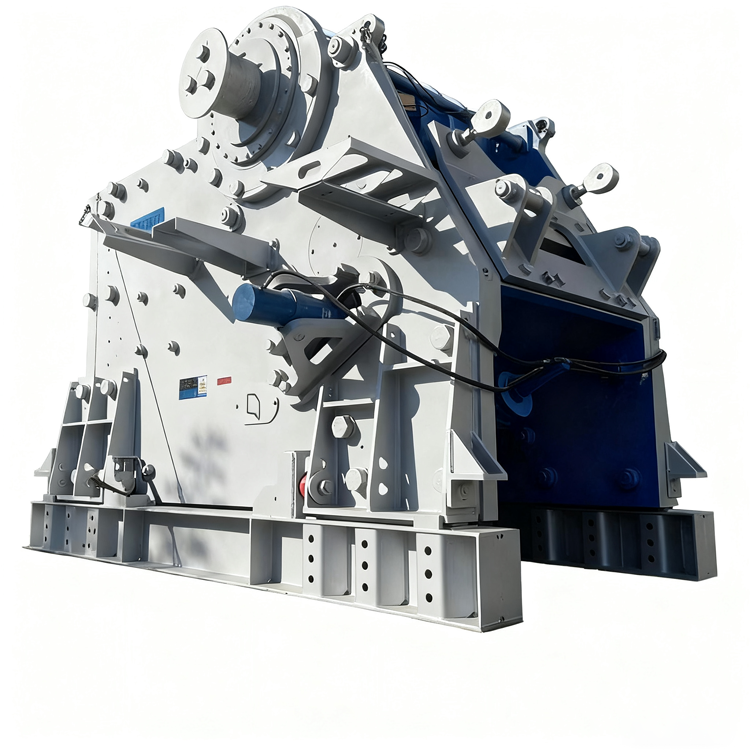
What Is a Primary Jaw Crusher and Why It Starts the Crushing Process
Core Function: Handling Run-of-Mine Material and Achieving First-Stage Reduction
Primary jaw crushers serve as the first line of defense in aggregate processing operations, taking care of raw materials straight out of mines before they get processed further. These machines are built specifically for what's called initial size reduction work. Basically, they take those big rocks coming off mining sites, sometimes over a meter across, and smash them down to sizes around 150 to 200 millimeters. This preliminary step turns all that mixed up, oversized material into something that can actually move smoothly through the rest of the processing chain. If we skip this stage, problems pile up fast for secondary crushers which then deal with lower efficiency rates, parts wearing out quicker than normal, and constant jams causing production delays. How does the jaw crusher do all this? It works mainly by squeezing between two jaws - one stays put while the other moves back and forth creating a V shape inside where rocks get crushed. Even when dealing with tough stuff like sandstone or oddly shaped pieces, these machines keep producing at steady rates without much downtime.
Design Advantages: Simple Structure, High Capacity, and Robustness for Harsh Feed Conditions
Primary jaw crushers dominate initial crushing due to their rugged, mechanically simple design. Key advantages include:
- High capacity: Engineered for 500–1,500 tons per hour, handling variable feed sizes without clogging.
- Durability: Heavy-duty manganese steel jaws and reinforced frames resist impact damage from uncrushed rock, minimizing unplanned downtime.
- Adaptability: Toggle plates and hydraulic adjustment systems compensate for feed fluctuations, preserving output consistency.
This robustness makes them ideal for demanding environments like quarries and open-pit mines, where reliability directly affects operational costs. Unlike more complex secondary crushers, their mechanical simplicity reduces maintenance frequency while sustaining performance under extreme loads.
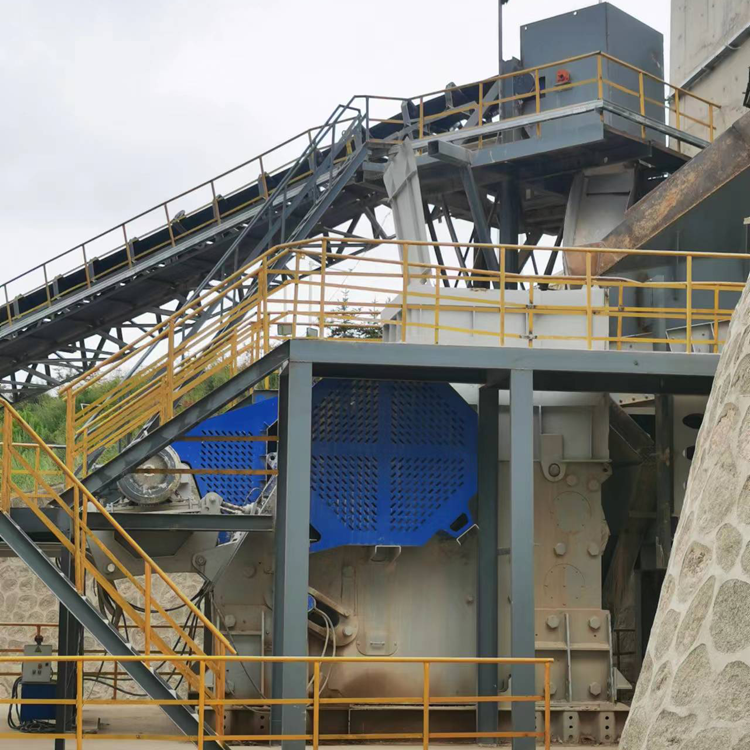
Secondary Crusher Role: Refining Output After the Jaw Crusher
Purpose and Position: Reducing Jaw Crusher Discharge to Target Size for Screening or Further Processing
When primary jaw crushers break down raw ore into pieces around 150-200 mm (about 6-8 inches), secondary crushers take over to get those materials down to the right size range usually between 25-75 mm (roughly 1-3 inches). This middle step really matters because it stops problems down the line. If rocks are too big they'll clog up the screens or just plain overload whatever comes next in the process. On the flip side, when material is too small it wears out conveyors faster and creates more work for the system as stuff gets sent back through again. Getting the secondary crushing right makes screening operations run better by somewhere around 40 percent and keeps machines running longer since there's less stuff going round and round. Plants that skip this part often end up with uneven product sizes and typically spend about 30% more money fixing things later when they have to reprocess bad batches.
Common Equipment Types: Cone Crushers vs Gyratory Crushers in Secondary Applications
Cone crushers tend to be the go to choice for aggregate operations handling around 200 to 800 tons per hour. They give operators good control over the gap between crushing surfaces and produce consistently shaped material. When dealing with really tough materials in big volume mining setups, gyratory crushers take center stage. These machines have massive crushing chambers that keep production going even as liners start wearing down from all that abrasion. Looking at secondary crushing needs across various sites, cone crushers still offer what many operators need most: reasonable running costs without sacrificing too much on control or final product quality standards.
Critical Differences Between Primary Jaw Crusher and Secondary Crusher
In aggregate production circuits, primary jaw crushers and secondary crushers each play their own specific part that really can't be swapped around. Primary jaw crushers deal with big chunks of raw material from mines, sometimes as large as 1200 millimeters across. These machines crush down those massive pieces into smaller bits measuring between 150 to 200 mm through compression forces. What happens next is handled by secondary crushers, which are typically either cone or impact models. They take the already broken down material from the first stage and work on it some more until it reaches sizes below 75 mm. This second round of processing relies on particles bumping into each other and wearing away at one another over time. The way these two stages function together makes all the difference in getting the right sized aggregates for different construction needs.
- Reduction ratio: Primary jaw crushers operate at 4:1 to 6:1; secondary crushers typically achieve 3:1 to 5:1.
- Wear profile: Primary units endure high-impact shock loads from uncrushed feed, requiring abrasion-resistant manganese steel; secondary stages experience sustained abrasive wear, benefiting from specialized hardfacing solutions.
Optimizing the Crushing Circuit: Matching Jaw Crusher Output to Secondary Crusher Input
Feed Size Compatibility and Closed-Side Setting Coordination
Getting good results from crushing operations depends on matching what comes out of the primary jaw crusher with what the secondary crusher can handle. Most operators set their jaw crusher's closed side setting (CSS) so around 80% of the material passes through at 150 to 200 mm sizes. But this needs to match up with the secondary crusher specs too. Take cone crushers for instance they usually struggle when fed anything larger than about 80% of their actual opening width. When technicians adjust the CSS settings properly across all stages, the whole system runs smoothly without getting backed up or sitting idle. Nobody wants either situation since both waste time and money. According to some recent industry reports from Aggregates Manager last year, folks who mess up these alignments often see their production drop somewhere around 20% give or take depending on conditions.
Real-World Impact: How Mismatched Stages Reduce Efficiency and Increase Wear Costs
When feed compatibility gets overlooked, it leads to real money losses and operational headaches. If too big pieces get sent to a smaller secondary crusher, the whole system chokes up. This means power bills jump anywhere between 15 to 30 percent higher while the liners inside wear out much faster than normal. On the flip side, having a secondary unit that's way too big for what needs crushing just sits there underused most of the time, burning through electricity without getting proper work done, which drives up those operating expenses per unit produced. According to some research published last year, facilities where CSS settings weren't properly aligned ended up spending around seven hundred forty thousand dollars extra each year on things they could have avoided entirely.
- Premature wear-part replacement (35% faster deterioration),
- Unplanned downtime (120+ hours/year),
- Screening inefficiencies (15% more recirculated material).
FAQ
What is a primary jaw crusher?
Primary jaw crushers are large machines used in the first stage of breaking down large rocks extracted from mines, reducing them to manageable sizes for further processing.
How does the crushing process start?
The process begins with primary jaw crushers that compress and crush large pieces of raw material into smaller sizes suitable for further processing by secondary crushers.
What is the role of secondary crushers?
They further refine the output of primary jaw crushers, reducing the size down to what is needed for screening or additional processing.
What's the difference between cone crushers and gyratory crushers?
Both are types of secondary crushers; cone crushers generally offer better shape control and operate at smaller emissions volumes, while gyratory crushers handle larger throughput.