
 EN
EN
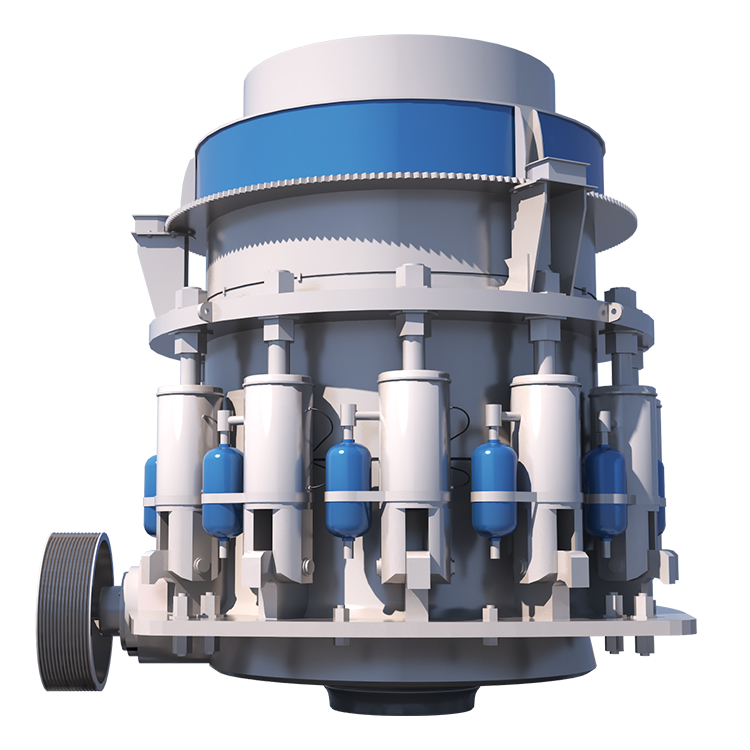
We Bought the Wrong Crusher for a Mountain Road—Here's What We Learned
I've been running mobile crushing plants for temporary road jobs for over a decade. And I'll be honest—we made a costly mistake early on. We spec'd a track-mounted unit for a job that had decent access roads, thinking "more mobility is better." What we got was a machine that took three extra days to move between sites, required wide-load permits, and burned through fuel hauling its own weight around. The client didn't care about our mobility—they cared about aggregate on the pad.
That experience changed how we select equipment. Now, we ask one question first: What's the ground condition between the laydown area and the rock face?
Wheeled vs. Track-Mounted: It's Not About Which Is Better—It's About Which Fits
Wheeled plants are faster on paved roads, legal to tow without special permits, and set up in 1–2 hours. Track-mounted units shine when you're working on soft quarry floors, steep inclines, or demolition rubble where a wheeled rig would sink or spin. For a 47-day rural road project in a mountainous region, we chose a wheeled three-stage configuration—primary jaw, secondary cone, and a 4-deck screen—because the access road was compacted and we needed to move the plant twice as the workface advanced. Setup took four hours. Production started same day.
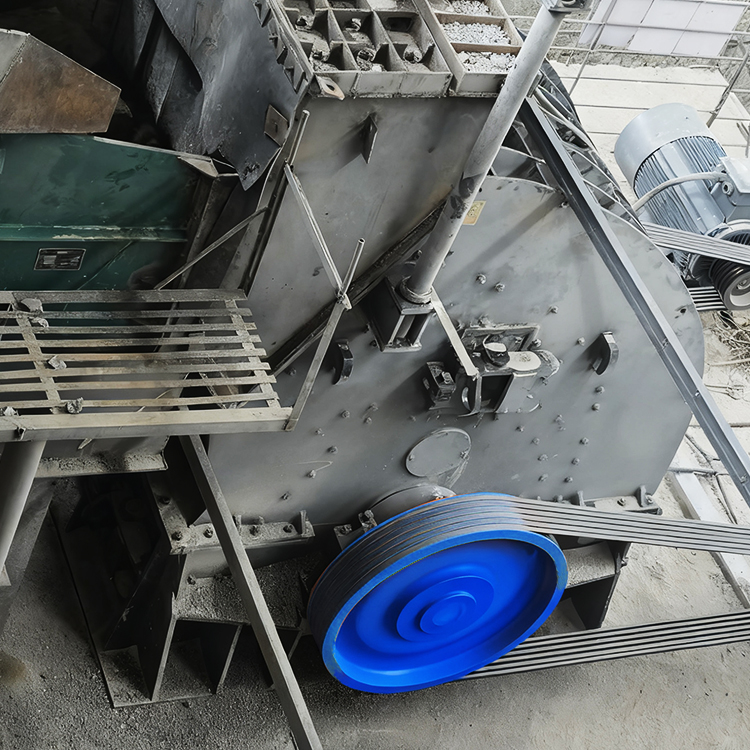
We Produced 5,500 Tonnes of Spec Gravel in 5 Days
That project required 0/31.5 mm base course with a Los Angeles abrasion value below 35. We set up on a 40m x 50m pad next to the stockpiled sandstone, ran 10-hour shifts, and sustained 120 tonnes per hour. Sieve analysis every 200 tonnes confirmed 100% compliance with EN 13242. The entire 5,500-tonne demand was met in five working days—paving started immediately.
The logistics savings? We eliminated a 40-kilometre round-trip haul. That cut 180 truck movements, saved 2,800 litres of fuel, and kept the access road intact for local traffic. According to a 2021 logistics efficiency study from the European Aggregates Association, on-site crushing can reduce transport-related CO₂ emissions by up to 75% compared to fixed quarry supply. Our numbers align with that.
Three Things I Check Before Every Deployment
Feed capacity—match throughput to daily demand. Over-sizing wastes fuel; under-sizing kills schedules.
Dust suppression—integrated misting systems are non-negotiable on environmentally sensitive sites.
Permitting footprint—compact designs clear approvals faster. We've had permits approved in under a week.
On-site production isn't just about speed. It's about control—gradation, quality, and compliance, batch by batch. When you're on a tight 1–2 month schedule, waiting for third-party quarries to deliver is a risk you can't afford.