
 EN
EN
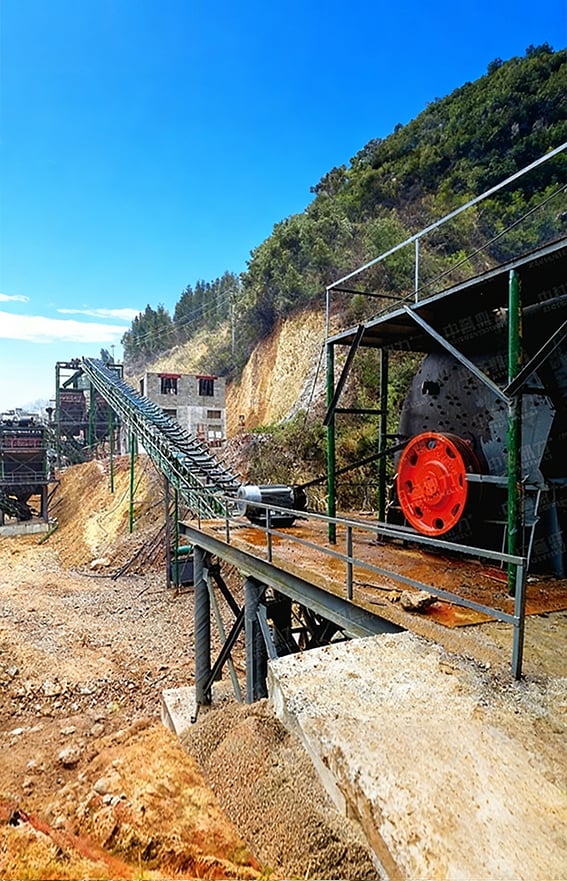
The Day We Learned Hard Rock Isn't Just "Hard"
A few years back, we took an impact crusher to a basalt quarry job because the rental was cheaper. Big mistake. Within 80 hours, we'd burned through a full set of blow bars—and the replacement cost ate whatever we'd saved on the rental. That’s when we stopped looking at spec sheets and started paying attention to what the rock actually does to the machine. If you're crushing granite, basalt, or quartzite, you're dealing with compressive strength north of 150 MPa—often over 250 MPa. That means silica, that means abrasion, and that means you need compression, not impact. Jaw crushers work here because they squeeze rock along its natural cracks instead of smashing it at high speed. The U.S. Bureau of Mines published data decades ago that still holds true: impact crushing on high-silica rock shortens blow bar life by up to 70% compared to limestone. We’ve seen that number firsthand, and it’s not an exaggeration.
What 50,000 Tons of Norwegian Granite Taught Us
We had a crew on a road tunnel upgrade outside Oslo a couple of seasons ago. The material was blasted granite—angular, sharp, Mohs 6 to 7. Feed size averaged 600 mm, and we were running a track-mounted jaw crusher with high-manganese steel plates. That machine ate through 50,000 tons without a single major breakdown. We got 250 tons per hour consistently, and the output was 150 mm minus, which passed the Norwegian Public Roads Administration spec for base material. The real win? We only rotated the jaw plates once in over 1,800 hours. That’s not luck—that’s matching the crusher to the rock. If we’d tried that with an impactor, we’d have been changing blow bars every week and hauling in replacement parts by helicopter.
When Impact Crushers Actually Shine (And It’s Not Hard Rock)
Now flip the script. Limestone, brick, and cold asphalt don't fight you—they break. Limestone is Mohs 3 to 3.5, brick runs around 5 to 6, and cold asphalt sits in the 4 to 5 range. None of them have the silica that kills impact parts. We run impact crushers on these materials and see blow bar life stretch to 700 to 1,100 hours—easily 40 to 60% longer than what we'd get on granite. The reason is simple: these materials are friable, meaning they shatter on impact rather than grinding against the rotor. You get cubical aggregate, which is exactly what asphalt and concrete specs want, and you get it with way less wear. We’ve had jobs where we processed 35,000 tons of brick and reclaimed asphalt in downtown Stockholm on a tight urban site—zero abrasive wear on the impact plates, 95% uptime over 12 weeks, and we finished two weeks ahead of schedule. The Swedish Transport Administration documented that project in their 2023 Circular Construction Report, and the big takeaway wasn't just speed—it was the 1,200 truck trips we eliminated by crushing on-site.
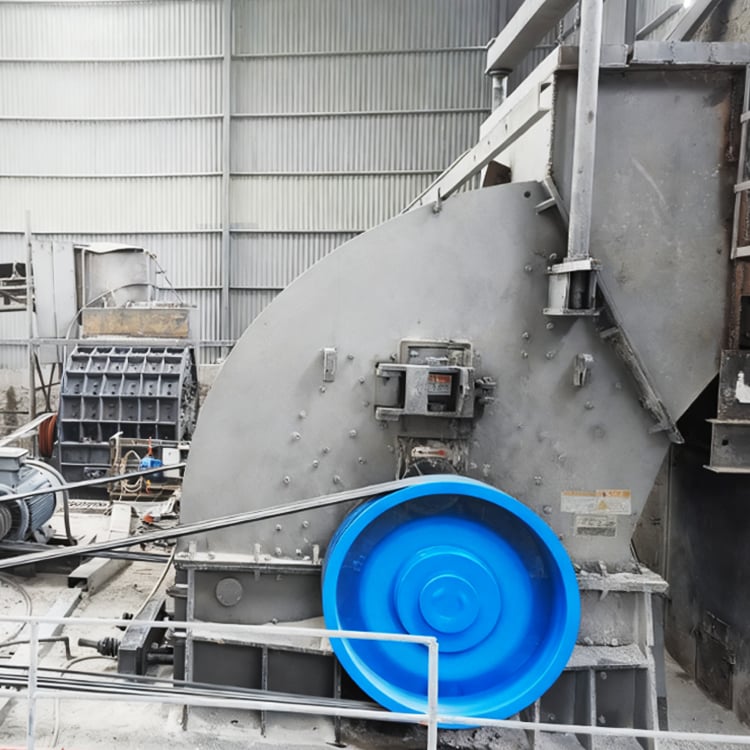
The One Thing That Saves Us Every Time on Mixed C&D Debris
Mixed construction and demolition waste is the trickiest feed you'll deal with. It's got rebar, wood, plastic, clay fines—stuff that jams up the chamber and kills conveyors if you're not careful. We learned this the hard way on a brownfield job where we skipped pre-screening to save time. Three hours in, we had a blockage that took half a shift to clear. Now we never run mixed feed without a grizzly bar or vibrating scalping deck ahead of the crusher. That pre-screen pulls out undersize material and lightweight trash before it hits the chamber. The European Federation of Recycling Industries (EuRIC) puts the uptime improvement at about 30% on contaminated sites, and that matches what we track in our own jobs. It's not glamorous, but it keeps the machine running and saves you from spending your afternoon with a pry bar.
Why We've Moved to Modular Systems on Most Urban Jobs
If you're processing only one type of material, a single crusher works fine. But most of our jobs these days are mixed—concrete, asphalt, brick, and natural rock all in the same pile. That's why we've been running modular tracked systems that combine a primary jaw, a screen deck, and a secondary impactor on one chassis. The jaw takes the big stuff down, the screen separates fines under 10 mm for fill, and the impactor shapes the mid-size fraction (10 to 40 mm) into clean aggregate. Oversize gets recirculated. Compared to running separate machines, we cut fuel use by about 25%—that's from UK Environment Agency 2022 benchmarking, and we've validated it on our own fuel logs—and we shrink the site footprint by 40%. On tight city blocks, that space saving alone is the difference between winning the bid and sitting out the job. The sensor-driven controls adjust feed rates automatically, so we're not constantly babysitting the settings. One pass, certified RCA or RAP, and we're done.
Our Honest Take on Choosing the Right Crusher
If you're crushing granite, basalt, or quartzite, bring a jaw. Full stop. If you're running limestone, brick, or cold asphalt, an impact crusher will save you money and maintenance headaches. If your pile is a mix of everything, go modular with pre-screening built in. We've made every mistake you can make on these jobs—brought the wrong crusher, skipped the scalper, pushed feed too fast—and every time, the machine let us know before the foreman did. Listen to the rock, not just the sales pitch.
Quick Answers From Our Crew
Q: Can I run granite through an impact crusher if I change the blow bars more often? You can, but you won't like the cost. We've seen blow bar life drop by 70% on high-silica rock—that adds up to thousands in extra parts and downtime. Just use a jaw. Q: What's the biggest hidden cost in portable crushing? Wear parts, hands down. But the real hidden cost is running the wrong machine for your material and burning through parts before you've paid off the rental. Q: How do you know when to rotate jaw plates? We check every 200 hours on hard rock. When the profile flattens out and you start seeing oversized chunks slipping through, it's time. Don't wait until they're completely smooth. Q: Is pre-screening really necessary on clean concrete? On clean concrete, less so. But if there's any dirt, rebar, or wood mixed in, yes—it'll save you from at least one major blockage per shift, and that pays for the screen deck in a week.