
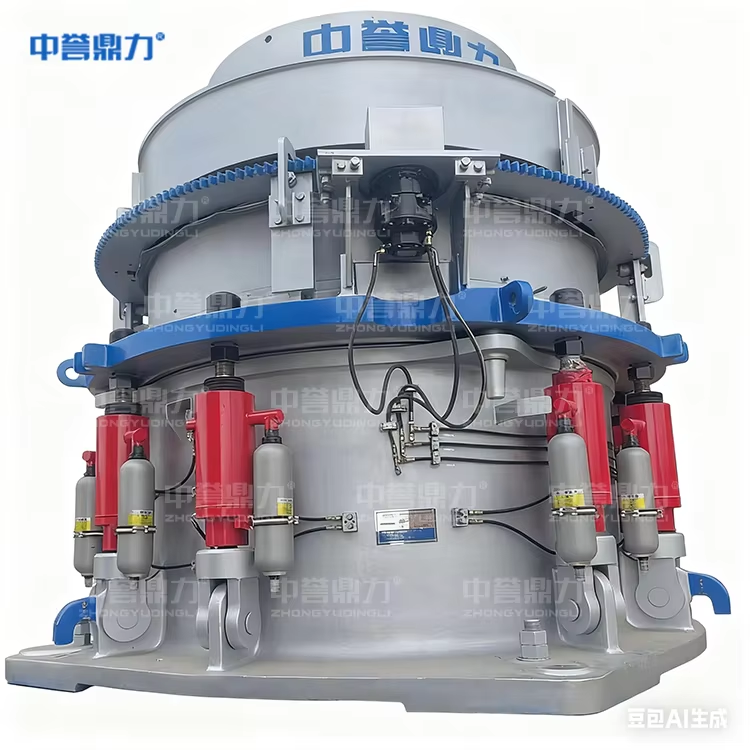
Hydraulic Cone Crusher Benefits for Hard Rock Crushing

2025-12-12 20:43:20
Hydraulic Cone Crusher Benefits for Hard Rock Crushing

Unmatched Hard Rock Crushing Performance about Hydraulic Cone Crusher

Handling High-Strength Materials: Granite, Basalt, and Quartzite with Consistent Throughput

Hydraulic cone crushers handle those tough rocks that really pack a punch—think granite, basalt, quartzite stuff that clocks in above 250 MPa on compression tests—and still keep the production going strong. What makes them work so well? The way they crush rock between particles creates constant pressure that actually breaks apart those tight crystal formations inside the stone. When something unwanted gets into the machine, like a piece of scrap metal, the built-in hydraulic system kicks in within half a second to push it out before serious damage happens. This saves money because parts don't get worn down as fast. According to recent field reports from aggregate processing plants, companies saw their replacement costs drop by almost 90% when switching to these systems. Another smart feature lets the crusher adjust itself as the wearing parts start to thin out over time. This means the output stays consistent even if the incoming material varies in hardness. For big mining operations running around the clock, having equipment that doesn't suddenly shut down saves tens of thousands each day in lost productivity.

Mohs Hardness Advantage: Outperforming Jaw and Impact Crushers Above 7.0

For materials harder than 7.0 on the Mohs scale like quartzite and granite, hydraulic cone crushers really shine compared to their jaw and impact counterparts. These machines work differently by using slow speed combined with high torque to crack those tough crystalline structures without wearing out the toggle parts in jaw crushers or the blow bars in impact models so quickly. Impact crushers just can't keep up once we get past Mohs hardness 6.0, but cones maintain consistent 6:1 reduction ratios even when dealing with stuff rated 7.5 or higher on the scale. Another plus is they create fewer small particles and result in better shaped aggregates, which means customers get more valuable final products. From a maintenance standpoint, these cone units last about 40 percent longer before needing replacement parts when handling the same material as impact crushers. That kind of durability cuts down on operational expenses for every ton processed.

Higher Reduction Ratios and Energy Efficiency

Sustained 6:1 to 8:1 Crushing Ratios Under Heavy Load and Abrasive Conditions

The hydraulic cone crusher really shines when it comes to reduction ratios, typically hitting between 6:1 and 8:1 even when running flat out on tough materials like granite or basalt. These machines actually beat jaw crushers by over 30% when reducing material size in one pass through the chamber. What makes them stand out is how they adjust hydraulic pressure automatically throughout the liner wear cycle. This keeps the crushing force just right, so production doesn't drop off as liners get worn down like happens with older equipment. We've seen field tests where these units maintained around 95% consistent output grading after running nonstop on quartzite for over 500 hours straight. That kind of performance speaks volumes about their reliability under tough conditions that would break lesser machines.

12–18% Lower Energy Consumption vs. Spring Cone Crushers (Field-Validated Data)

The numbers don't lie when it comes to hydraulic cone crushers saving energy compared to old school spring cone models. We're talking about roughly 12 to 18 percent less electricity consumption overall. Why? Well, there are actually two main reasons behind this improvement. The first has to do with those adaptive hydraulics which cut down on all that wasted energy from constant compression found in traditional spring systems. And then there's the smart tramp release feature that stops motors from getting overloaded and wasting power unnecessarily. When we factor in their impressive reduction ratios too, these machines can save around $74k each year per unit according to research published in Minerals Processing Journal back in 2023.

Real-Time Hydraulic Adjustability for Precision Sizing

On-the-Fly Closed-Side Setting (CSS) Adjustment Without Shutdown

Today's hydraulic cone crushers can adjust their Closed-Side Settings (CSS) while still running, so there's no need to shut down production just to change sizes. The machines use servo valves along with constant pressure checks that let them make adjustments down to the micron level. When conditions change or different outputs are needed, these systems respond almost instantly. Older mechanical methods tell a different story though. Adjustments using those traditional systems typically take anywhere from half an hour up to ninety minutes. According to research from the Ponemon Institute back in 2023, this kind of downtime costs companies around seven hundred forty thousand dollars each year in lost production time.

Adjustment Method Downtime Required Precision Control Throughput Impact
Mechanical 30–90 minutes Manual calibration Complete stoppage
Hydraulic CSS Zero Automated micron adjustments Continuous operation

This dynamic control reduces recirculation loads by 12–18% and extends liner life by optimizing chamber kinematics. Integrated sensors continuously monitor mantle position and automatically correct for drift—ensuring output remains within tight tolerance bands, even when processing abrasive, variable-hardness feeds like granite or quartzite.

Tramp Iron Protection and Operational Resilience

Durable Low-Maintenance Cone Crusher for Medium-Hard Material Processing

Sub-0.3-Second Hydraulic Release Response Prevents Critical Component Damage

The hydraulic cone crusher comes equipped with one of the quickest tramp iron response systems available today. When something gets stuck that shouldn't be there, it releases whatever is causing the blockage within less than half a second. That kind of fast reaction stops serious harm from happening to important parts like the main shafts, those big bearings, and even the frame itself. Traditional spring based systems work differently. After something gets jammed, workers have to take everything apart manually to clear out whatever caused the problem. With hydraulic release though, there's no need for all that dismantling. The system maintains its strength through these incidents and saves valuable time since nobody has to spend hours putting things back together after each occurrence.

How Controlled Tramp Relief Extends Liner Life in Variable Hard Rock Feeds

When tramp material enters the system, controlled hydraulic expansion helps protect manganese liners from excessive shock. The design allows for brief but precise openings in the chamber, which prevents those sudden impacts that typically occur in systems without hydraulics. This makes all the difference when dealing with tough materials like granite, where stress fractures and liner deformation are constant concerns. Field reports show operators getting around 30% more time between liner replacements in these demanding applications. That translates to less downtime for maintenance crews and significantly reduced costs per ton processed over time.

FAQ Section

What materials can hydraulic cone crushers handle?

Hydraulic cone crushers are adept at handling high-strength materials such as granite, basalt, and quartzite. They consistently maintain throughput even with materials exceeding 250 MPa on compression tests.

How do hydraulic cone crushers compare to jaw and impact crushers?

Hydraulic cone crushers outperform jaw and impact crushers for materials harder than 7.0 on the Mohs scale, maintaining consistent reduction ratios and producing better-shaped aggregates.

Are hydraulic cone crushers energy-efficient?

Yes, they consume approximately 12-18% less energy compared to traditional spring cone crushers due to adaptive hydraulics and smart tramp release features, contributing to significant energy savings.

Can hydraulic cone crushers adjust sizing without shutting down?

Absolutely, they offer real-time Closed-Side Setting (CSS) adjustments on-the-fly without needing to stop production, reducing downtime and ensuring precision sizing.