
 EN
EN
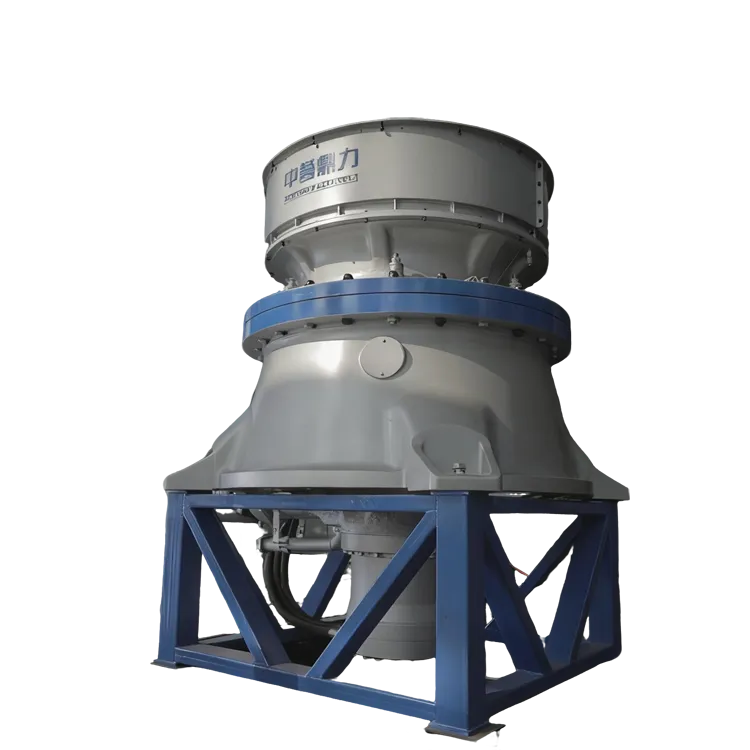
Core Structural Design of the Spring Cone Crusher
Mantle, Concave, and Crushing Chamber Geometry
How the crushing chamber works depends on its geometry, basically how the mantle moves against the fixed concave part. This setup has a big impact on how well materials get crushed and what shape they end up being. When everything lines up properly, different sized materials get processed at different points in the chamber. Big chunks tend to break down first near the top area, whereas smaller pieces finish their sizing closer to where stuff comes out. Most top companies now go with manganese steel alloys for these parts because they last much longer when dealing with rough stuff like granite. These special steels can extend component life by around 40% over regular carbon steel according to Aggregates Today from last year. Getting the chamber profile right matters a lot too since it affects the gradation consistency needed for things like asphalt mix or concrete aggregates that have strict size requirements.
Eccentric Assembly, Main Shaft, and Bearing Configuration
Power transmission begins with the eccentric assembly’s rotation, converting motor torque into gyrational motion via a tapered main shaft. This assembly incorporates precision-machined bronze bearings, reducing friction losses by 15% versus traditional bushings (Mining Equipment Journal 2022). Critical design elements include:
- Eccentric sleeve design: Controls stroke length and crushing intensity
- Main shaft durability: Forged alloy steel withstands bending under sustained loads exceeding 300 tons
- Bearing lubrication: Automated oil circulation prevents overheating during continuous operation
Adjustment Ring and Spring-Based Tramp Relief System
Adjustment rings let operators change the discharge settings quickly without any tools at all, which makes it easy to switch back and forth between coarse and fine crushing operations. When someone turns this ring, it actually moves the whole mantle assembly up or down, changing what we call the closed side setting or CSS. The best part? No need to stop production during these adjustments. To handle unexpected overloads, there are several helical springs inside that get compressed when something hard like tramp metal gets stuck in the chamber. These springs give way just enough to lift the mantle temporarily. According to recent studies from Crushing Mechanics Review last year, machines equipped with this kind of spring system suffer about 30 percent less component damage than those using rigid designs. That's a big deal for plant managers looking to cut maintenance costs.
| Tramp Relief System | Reaction Speed | Reset Process | Cost Efficiency |
|---|---|---|---|
| Spring-Based | <50 ms | Automatic | High |
| Hydraulic | <30 ms | Manual | Medium |
| Fixed | N/A | N/A | Low |
Application Range of the Spring Cone Crusher in Industrial Crushing Circuits
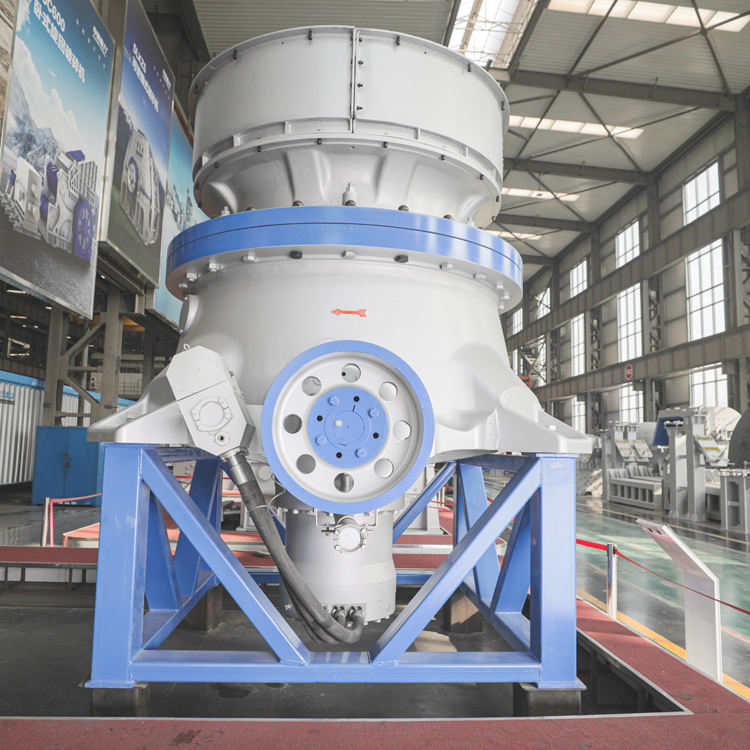
Secondary Crushing Performance: Feed Size, Capacity, and Material Suitability
Spring cone crushers have become a go to option for secondary crushing operations. These machines can handle feed material up to 300 mm in size and typically process between 200 and 800 tons per hour. Built tough for the job, they work great on medium hard to really hard stuff like granite, basalt rock, and iron ore deposits. The way these crushers operate actually helps reduce over crushing, which means better shaped particles come out and the wear on liners stays lower than other methods. Spring cones also handle those random bits of metal that sometimes get mixed in with the feed, plus they cope pretty well when the incoming material varies in size. This makes them particularly good fit for quarries and mines where what goes into the crusher isn't always consistent. Compared to impact crushers, spring cone versions produce fewer small particles and give much better control over the final shape of the crushed material something that matters a lot when producing concrete aggregates. An added benefit is their automatic overload protection system based on springs. When something uncrushable gets through, the system resets itself automatically without needing anyone to stop everything and fix it. This feature alone cuts down unexpected downtime by around 15 to 30 percent compared to similar sized hydraulic systems working in the same kind of secondary crushing applications.
Tertiary and Fine Crushing Roles in Aggregate Production and Mineral Processing
Spring cone crushers work best in the later stages of processing, creating products sized between 3 and 40 mm that are essential for premium construction aggregates and mineral concentrates. These machines consistently produce those nice cubic shaped particles around 85 to 95 percent of the time, which meets the strict standards needed for good quality asphalt and concrete mixes. When it comes to mineral processing, these crushers do a solid job breaking down ores into pieces smaller than 10 mm while keeping slimes to a minimum something that matters a lot for processes like flotation downstream. The slow compression action helps protect the equipment from wear and tear when dealing with tough materials like quartzite or taconite, making liners last anywhere from 20 to 40 percent longer compared to faster alternatives. One downside though is their struggle with sticky, clay filled materials where moisture levels over 8 percent often means extra screening steps beforehand. But despite this limitation, their straightforward design makes them reliable choices for operations far from maintenance facilities or in places where regular upkeep isn't always possible.
Operational Advantages and Limitations of the Spring Cone Crusher
Spring cone crushers handle secondary and tertiary crushing tasks pretty well when dealing with materials ranging from medium hard to really tough stuff like granite and iron ore. What makes these machines stand out? For starters, they have a straightforward mechanical setup that means operators don't need extensive training to get going. Plus, there's built-in protection against big rocks or metal pieces getting stuck thanks to those spring-loaded tramp release systems, which saves equipment from serious damage. And let's not forget about money matters - since there aren't so many hydraulic parts involved, maintenance tends to be cheaper over time, something manufacturers appreciate after years on site. But here's the catch: compared to newer hydraulic models, spring cones just can't match the same production rates. Some stationary operations report seeing around 30% better hourly outputs with hydraulic versions. Maintenance does come up more often too, especially around those eccentric bushings and springs. In harsh environments where abrasion is bad, replacement costs could easily top a million bucks per year. Sure, the upfront price tag might look attractive for tight budgets, but when it comes to making ultra fine products below 10mm, vertical shaft impactors generally do a much better job controlling particle shapes and achieving consistent grading results.
FAQ
What materials are suitable for spring cone crushers?
Spring cone crushers are capable of processing medium hard to very hard materials such as granite, basalt, and iron ore deposits.
What is the maximum feed size a spring cone crusher can handle?
Spring cone crushers can handle feed materials up to 300 mm in size.
How does the adjustment ring improve efficiency?
The adjustment ring allows operators to alter discharge settings rapidly without the need for tools, facilitating easy transition between coarse and fine crushing operations.
What are the benefits of the spring-based tramp relief system?
This system provides automatic reset and high cost efficiency, suffering about 30% less component damage compared to rigid designs.
What are the limitations of spring cone crushers?
Spring cone crushers struggle with sticky, clay-filled materials and have lower production rates compared to hydraulic models.