
 EN
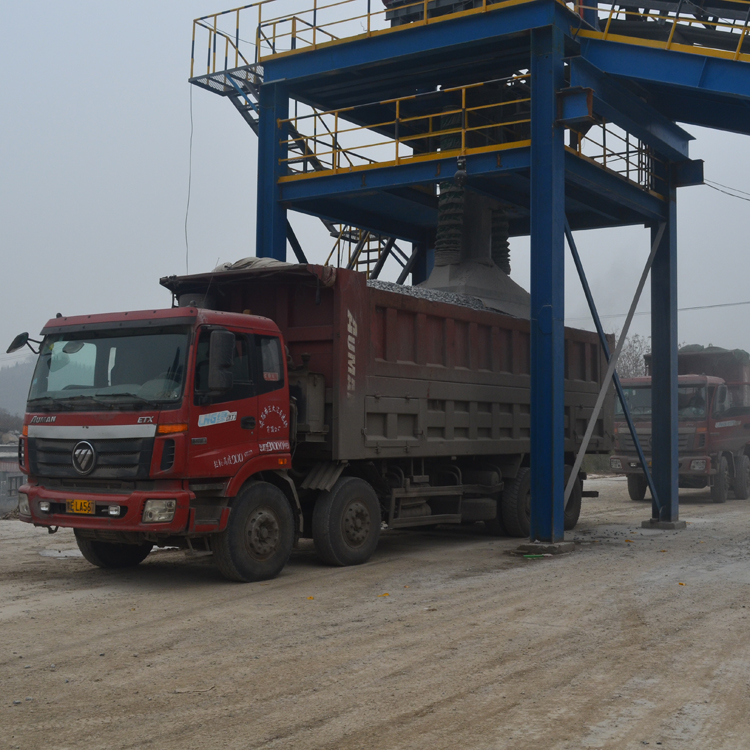
Selecting crushing machinery starts before any quotation. The first move is reading the rock: hardness, free silica, and feed size at the hopper. A site survey and feasibility study that skip this build a line with wrong wear parts and poor gradation. Rock varies so much under compression, impact, and shear that one machine type cannot cover every duty.
Why Material Properties Dictate Crusher Choice
Rock Hardness, Mohs Scale and Silica Content
The Mohs scale ranks minerals 1 to 10. For crushing machinery selection, the useful band runs 3 to 7: limestone near 3, granite near 6 to 7. Above Mohs 5, wear on liner plates and rotors accelerates. Silica makes it worse; quartz-rich rock above 15 to 20 percent silica drives rapid wear-part consumption and raises operating cost. Choosing abrasion-resistant liner alloys on high-silica duty slows the wear curve and extends service intervals, keeping selection logic grounded in measured quarry data instead of assumptions.
Feed Size, Discharge Size and Reduction Ratio
Feed size from the vibrating feeder and target discharge size set the reduction ratio. A jaw crusher takes feed up to 1,000 mm at a 4:1 to 6:1 reduction ratio in primary duty. Impact and hammer units prefer feed below 600 mm yet reach 10:1 to 20:1 on brittle stone. Matching reduction ratio in crushing machinery prevents overload and protects the downstream vibrating screen and conveyor belt. Higher reduction ratio in one stage lowers equipment count but raises wear per ton, so a two-stage plan often balances capital with spare parts across the line.
Jaw Crusher: Primary Duty on Hard Rock
Crushing Chamber Logic and Wear Parts
A jaw crusher uses a fixed and a moving jaw that compress rock in a V-shaped crushing chamber. This compression logic suits hard, abrasive material because force is applied slowly, limiting the shock that shatters wear parts. Manganese liner plates absorb abrasion. For high-hardness granite or basalt, a deeper chamber and heavier flywheel steady throughput. Jaw output is flatter, so a following impact or cone crusher refines shape. Jaw crushing machinery earns that trust on primary rock.
Where Jaw Units Anchor a Production Line
Most aggregate plants treat crushing machinery as a system, placing a jaw crusher as the primary breaker after the vibrating feeder and hopper. It takes run-of-mine feed and delivers a 100 to 300 mm product to screening and secondary stages. EPC teams favour this layout: commissioning is simple and spare parts are standardised. OSHA and ANSI rules apply at the feed opening, so sized guards and emergency stops are part of a compliant design.
Impact and Hammer Crushers for Medium-Hard Stone
Rotor, Liner Plate and Cubic Output
An impact crusher spins a heavy rotor with blow bars that fling stone against liner plates at speed. The sudden impact shatters brittle rock along natural fractures, giving excellent cubic particle shape with low filler. This principle suits limestone, weathered granite, and concrete recycle where silica is moderate. Because energy lands in impulses rather than steady squeeze, the impact crusher reaches high reduction ratio and clears the crushing chamber fast. Cubic output lowers the void ratio in asphalt and concrete mixes, raising binder value at the plant gate. Moderate silica lets the impact crusher hold blow bars long enough to keep operating cost predictable.
Heavy Hammer Crusher for Limestone Duty
The heavy hammer crusher remains core crushing machinery for limestone, doing primary and secondary reduction in one pass for rock below Mohs 5. Large feed enters the crushing chamber and is struck by a spinning rotor; one machine can replace a jaw plus a cone in a simple limestone aggregate line. At a Hunan Liuyang 250 to 350 TPH limestone aggregate and sand line, this single-stage logic cut equipment count and simplified commissioning.
Cone Crushers and a Real Selection Case
Secondary Reduction for Tough Material
As part of integrated crushing machinery, a cone crusher squeezes rock between a rotating mantle and a concave liner, giving steady, high-pressure reduction after a jaw. It beats an impact crusher where blow bars would wear too fast. The cone fits secondary and tertiary duty on granite, basalt, and abrasive ore, holding tight gradation with lower operating cost at scale. For tough, high-silica duty, cone plus jaw is the durable pair. Hydraulic setting adjustment lets the cone track liner wear and hold product size without stopping the line, cutting recirculation load and protecting downstream gradation and throughput.
Sichuan Granite Line and Procurement Advice
The Sichuan Xichang 250 to 300 TPH granite line shows selection logic in practice. Background: hard granite near Mohs 6 with high silica needed a primary that would not drown in wear cost. Problem: early single-stage hammer plans risked fast blow-bar loss on this abrasive feed. Solution: the team deployed a KPC1313 double-chamber hard rock crusher fed by a ZGC1250 vibrating feeder, with 3YKQ2470 vibrating screens for gradation. Effect: final products graded 26 to 31, 16 to 26, 13 to 16, 5 to 13, and 1 to 5 mm with stable throughput.
Smart buying starts with a site survey and feasibility study that record rock hardness, silica, feed size, and target gradation. Inspect liner plates, rotors, and blow bars for alloy grade and reversible design before purchase. During commissioning, verify the vibrating feeder, crushing chamber settings, and conveyor belt alignment under load. ISO 9001 and NFPA dust-control guidance support a safe, low operating cost plant with a long payback period.
Crushing machinery pays for itself only when the machine type matches the material in front of it. Reading Mohs hardness, silica content, feed size, and reduction ratio turns guesswork into a defensible choice. Jaw crushers anchor hard-rock primary duty, impact and hammer units serve medium-hard brittle stone, and cone crushers close the loop on tough abrasive feed. A disciplined site survey keeps operating cost and capital expenditure under control.
Frequently Asked Questions
Question
Which crusher type suits hard granite above Mohs 6?
Answer: For granite above Mohs 6 with high silica, a jaw crusher in primary duty followed by a cone crusher gives the most durable result. The jaw handles large feed and abrasion, while the cone delivers steady secondary reduction without burning through blow bars. An impact crusher can refine shape but wears faster on such abrasive rock. Match the liner plates and rotor alloy to the duty, and verify gradation on the vibrating screen before scaling the production line.
Question
Why does silica content raise operating cost?
Answer: Free silica in quartz-rich rock acts as an abrasive that grinds liner plates, blow bars, and rotors. Above roughly 15 to 20 percent silica, wear-part consumption climbs sharply, so spare parts and downtime cost more even when motor power is sufficient. A site survey should measure silica before selecting the machine type. Lower-silica limestone keeps wear predictable, while high-silica granite demands abrasion-resistant alloys and tighter maintenance by tonnage to protect return on investment.
Question
How is reduction ratio calculated for a crusher?
Answer: Reduction ratio equals feed size divided by discharge size, the input-to-output particle size span. A jaw crusher in primary duty commonly runs 4:1 to 6:1, while an impact or hammer unit can reach 10:1 to 20:1 on brittle stone. Knowing this span prevents overloading the crushing chamber and protects the downstream vibrating screen and conveyor belt. Always size reduction ratio to the material and target gradation rather than to a single equipment headline number.
Question
Can one hammer crusher replace a jaw and cone stage?
Answer: For medium-hard limestone below Mohs 5, a heavy hammer crusher can combine primary and secondary reduction in a single pass, replacing a jaw plus cone in a simple aggregate line. The Hunan Liuyang limestone line used this single-stage logic at 250 to 350 TPH. The trade-off is abrasion: once material hardness or silica rises, blow-bar wear accelerates and the advantage fades. Specify hammer duty only after a feasibility study confirms rock properties stay within the low-abrasion band.
Question
What inspection steps protect crushing machinery investment?
Answer: Inspection should start with a site survey documenting rock hardness, silica, feed size, and target gradation. Before purchase, check liner plates, rotors, and blow bars for alloy grade and reversible design. During commissioning, verify the vibrating feeder, crushing chamber settings, and conveyor belt alignment under load. Track wear parts by tonnage and keep critical spare parts on site. ISO 9001 quality systems and NFPA dust-control guidance support a safer, lower operating cost plant with a longer payback period.