
 EN
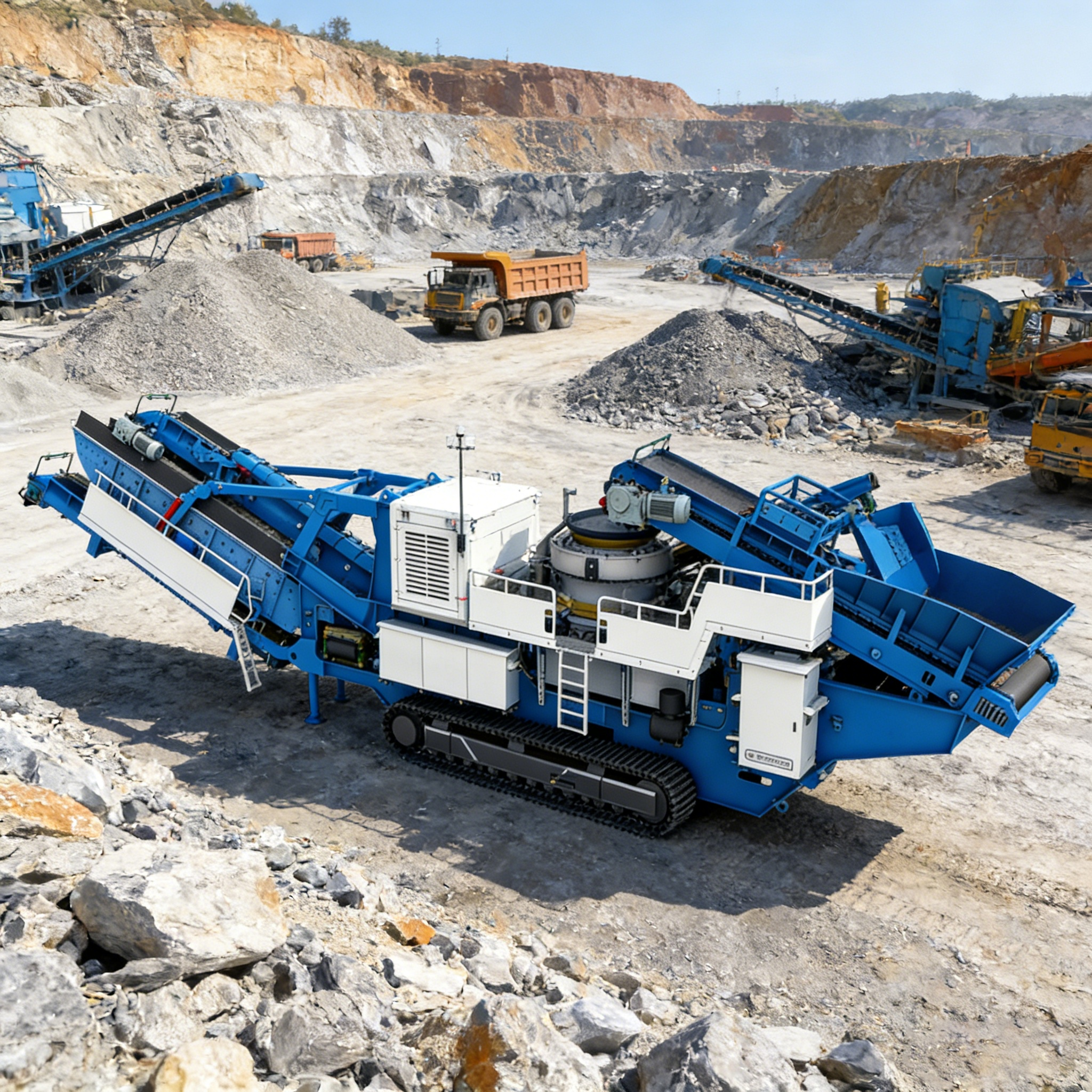
Selecting the right partner is a decision that shapes years of output. A poor choice in mining equipment forces unplanned shutdowns, inflated operating cost, and missed delivery windows for aggregate customers. Procurement teams therefore need a repeatable vetting framework rather than a quote comparison. This guide walks through the checks that separate a dependable crusher manufacturer from a vendor that disappears after the invoice clears.
Supplier Due Diligence Starts With Verified Credentials
Verify ISO 9001 and Industry Certifications
A credible supplier treats certification as baseline discipline, not a marketing badge. When evaluating mining equipment, ask for the ISO 9001 quality-management certificate and confirm it covers the actual production site, not a shell entity. Pair that with ANSI machine-safety guard standards and NFPA electrical or dust-explosion guidance for the control room. OSHA-aligned lockout-tagout procedures protect maintenance crews during liner plate swaps, while CE or EN marks matter for European tenders. Request the audit date and the certifying body; expired or outsourced certificates signal weak governance. Ask also for the weld-procedure qualification and the non-destructive testing records on critical structural welds; these documents predict how the frame behaves under years of impact load.
Evaluate End-to-End EPC Service Capability
Engineering, procurement, and construction (EPC) capability decides whether a crushing plant arrives as a working system or as loose steel on a truck. When sourcing mining equipment through a full EPC scope, demand a documented process: site survey, feasibility study, process design, equipment selection, installation, and commissioning. A supplier that only ships a jaw crusher or impact crusher leaves the buyer to bridge civil works, conveyor belt routing, and power supply alone. Strong EPC partners model throughput against feed size and deliver one responsible point of contact across the entire production line.
Assess Technical Fit Before You Commit Capital
Match Crusher Type to Material Hardness and Feed Size
Rock hardness on the Mohs scale and silica content dictate which machine survives. Before specifying mining equipment for abrasive feed, map feed size to discharge size, then size the crushing chamber and motor power for the target tons per hour (TPH). Granite and basalt punish a standard hammer crusher, so a double-chamber hard rock crusher or cone crusher holds the reduction ratio without fracturing the rotor. Ignoring material hardness is the fastest route to premature wear parts failure and a crushed payback period. Request a gradation curve from the supplier and compare it with the site's product specifications before purchase; a mismatch here is cheaper to fix on paper than on the foundation.
Review Commissioning and Smart-Control Readiness
Commissioning is where design intent meets reality, and it starts long before handover. Reliable mining equipment suppliers stage a graded startup: no-load trial, single-equipment run, then full production line synchronization. A modern smart control system should expose real-time particle size, vibration, and load, while dust control and noise control protect the operating permit. Ask which screening and gradation checks happen before handover, and who signs the acceptance against the agreed throughput.
Don't Skip Reference-Site and After-Sales Checks
Visit a Running Reference Site With Your Team
A brochure shows the plant on a good day; a reference site shows the third year. Send engineers to a running aggregate line that matches your tonnage and rock type, and watch the vibrating feeder, vibrating screen, and hopper under load. When assessing mining equipment, measure real gradation at the conveyor belt and speak to the local maintenance lead about spare-parts lead time. Reference-site evidence beats any sales deck and exposes the true wear-parts consumption. Track the availability rate over a full shift and note how quickly the crew clears a conveyor belt jam; those details separate a stable plant from a fragile one.
Confirm Spare-Parts and Wear-Parts Readiness
After-sales strength lives in the parts bin, not the brochure. Procuring mining equipment without a verified parts plan places capital expenditure (capex) at the mercy of a single shipment. Verify a regional spare-parts depot or a committed air-freight lane for wear parts, liner plates, and rotors. Clarify the recommended maintenance interval and the critical-stock list, then tie payment milestones to documented spare-parts readiness. A supplier that cannot quote a lead time for a crusher chamber liner within days adds avoidable risk.
A Field Case: How Diligence Prevented a Costly Mismatch
Background, Problem, and Solution
A Sichuan granite operator planned a 250–300 TPH line and initially favored a standard heavy hammer crusher for capital reasons. Diligence changed that. Site testing showed high silica content and abrasive rock hardness that would have accelerated liner plate wear and widened the particle size spread on the final mining equipment output. The team instead specified a KPC1313 double-chamber hard rock crusher with a ZGC1250 vibrating feeder and 3YKQ2470 vibrating screens. The EPC scope covered process design, installation, and commissioning under one contract.
Measurable Effect and Lessons
The commissioned line delivered clean gradation across 26–31, 16–26, 13–16, 5–13, and 1–5 mm bands with stable throughput. Tighter sizing lifted aggregate value and trimmed re-crushing, improving return on investment (ROI) versus the original plan. The lesson for procurement: certify material hardness first, then match the machine. A modular design option also shortened later expansion. Reference checks and a documented EPC handover turned a risky quote into a predictable production line.
Selecting a supplier is less about the lowest quote and more about de-risking the next decade of operation. Run the credential, EPC, technical-fit, reference-site, and spare-parts checks in order, and let evidence override enthusiasm. The right mining equipment partner proves competence before contract signing through certificates, a real reference site, and a parts plan you can verify. Start the vetting list today and protect both output and budget.
Frequently Asked Questions
Question
What certifications should a mining equipment supplier hold before contract award?
Answer: Request ISO 9001 for quality management plus ANSI guarding and NFPA electrical standards for the control system. CE or EN marks apply to European tenders. Verify the certificate covers the real production site and check the audit date with the certifying body. Expired or outsourced certificates reveal weak governance. Pair paperwork with a reference-site visit to confirm the certified process is actually followed on the floor.
Question
Why does end-to-end EPC capability reduce project risk?
Answer: A supplier handling engineering, procurement, and construction owns one accountable point for site survey, feasibility study, process design, and commissioning. Splitting those phases across vendors creates interface gaps that delay the crushing plant and inflate capital expenditure. EPC bundling also aligns equipment selection with civil works and power supply. Demand a documented handover with acceptance criteria so the production line starts on schedule rather than in finger-pointing.
Question
How should a procurement team inspect a running reference site?
Answer: Send engineers to a live aggregate line matching your tonnage and rock type. Observe the vibrating feeder, vibrating screen, and hopper under load, then sample gradation at the conveyor belt. Interview the local maintenance lead about spare-parts lead time and the first liner plate change. Confirm dust control and noise control permits are current. This field evidence reveals real uptime and wear-parts consumption that brochures conceal.
Question
Which spare-parts commitments protect uptime after handover?
Answer: Require a regional depot or committed air-freight lane for wear parts, liner plates, and rotors before signing. Obtain the recommended maintenance interval and the critical-stock list in writing. Tie payment milestones to documented spare-parts readiness and quote lead times in days, not vague promises. A parts plan you can verify keeps the crushing chamber running and shields return on investment from a single delayed shipment.
Question
Can commissioning quality be verified before final payment?
Answer: Yes. Specify a graded startup in the contract: no-load trial, single-equipment run, then full production line synchronization with screening and gradation checks. A smart control system should log particle size, vibration, and load during the run. Withhold a portion of capital expenditure until the supplier signs acceptance against agreed throughput and discharge size. Documented commissioning evidence prevents disputes and proves the plant meets design intent.