
 EN
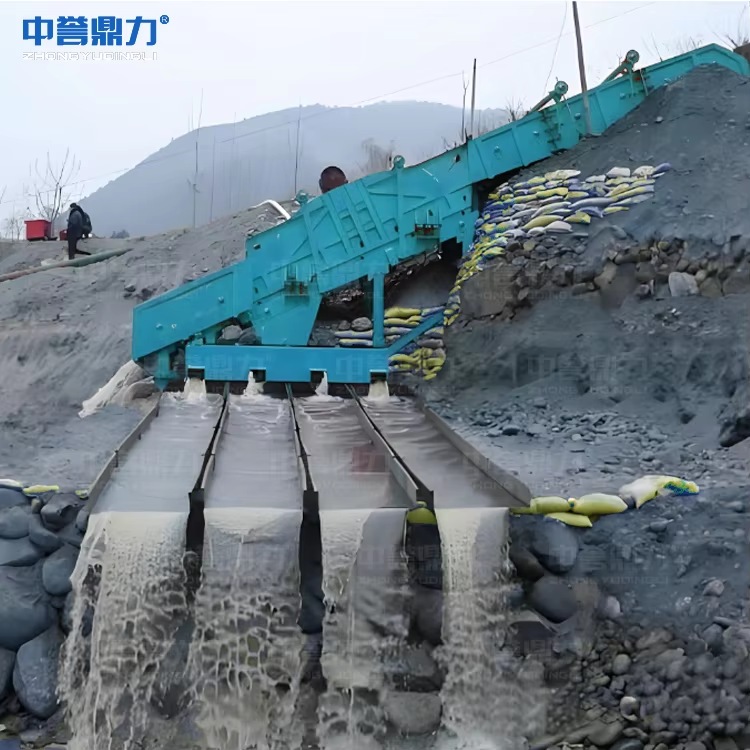
A large scale project places material demands a standard quarry cannot meet. When an infrastructure program needs millions of tons of aggregate, the right stone crushing equipment becomes the difference between hitting schedule and stalling the site. Mega projects such as high-speed rail, hydropower dams and port reclamation consume crushed stone at a pace that forces planning around 1000 TPH and beyond.
Sizing Stone Crushing Equipment for 1000+ TPH Mega Projects
A production line rated above 1000 tons per hour is not simply a bigger plant. It changes how feed is delivered, how the crushing chamber is loaded, and how flow balances from hopper to conveyor belt. Sizing this stone crushing equipment starts with a feasibility study and site survey, then translates rock into machine selection.
What Defines a Large Scale Operation
A large scale operation is defined by sustained throughput rather than peak bursts. Stone crushing equipment for mega projects holds 1000 TPH or more across a full shift. The key metric is continuous aggregate output against the project's total volume and deadline. A line that dips under load wastes capital already committed to feeders, screens and conveyors. Reliable capacity matches the primary crusher, screening decks and stockpile logistics to one target.
Throughput, Feed Size and Material Hardness
Throughput is governed by feed size, material hardness and the reduction ratio each stage achieves. Hard granite demands a different crushing chamber profile and more motor power than soft limestone, and high silica content wears liner plates and rotors faster. A jaw or heavy hammer crusher sets the primary break, an impact or cone crusher handles the secondary stage, and vibrating screens separate the gradation. Right discharge size keeps the next machine fed and avoids cascading bottlenecks.
Modular Design Enables Phased Capacity Expansion
Building a full 6000 TPH plant on day one ties up capital and risks overcapacity if demand slips. Modular design lets an EPC team deliver a working line early, then bolt on modules as the project ramps. Choosing modular-framed stone crushing equipment means each stage arrives ready to lift, shrinking capex risk and commissioning time.
Prefabricated Steel-Structure Modules
Prefabricated modules shrink on-site build from months to weeks. The Timor-Leste granite line used this approach, cutting installation time by roughly half and labor by about 40 percent versus traditional builds. A modular crushing plant ships as discrete units — feeder, crusher, screen, conveyor — so commissioning is staged one module at a time. The same footprint later accepts a parallel train, doubling throughput without rebuilding foundations.
Scaling from Pilot Phase to Full Production
Phased expansion begins with a pilot train for early earthworks, then adds identical modules to reach full capacity. This protects return on investment because cash follows confirmed demand, not forecasts. A site survey and feasibility study confirm pad loading and access roads before the first module lands. As volume grows, a second heavy hammer crusher and extra vibrating screens join the line, raising TPH in steps while the original equipment keeps earning.
Smart Control Systems Protect Uptime and Output
A high-capacity line loses money the moment a single machine stalls. Smart control systems turn independent machines into one responsive production line that self-corrects before minor faults become stoppages, which is why modern stone crushing equipment ships ready for digital integration across the line.
Real-Time Monitoring and Automated Adjustment
Sensors on the vibrating feeder, crusher load and conveyor belt feed a platform tracking throughput, motor current and vibration. The smart control system trims feeder speed and crusher settings automatically when feed size swings, holding gradation and protecting wear parts. Operators see live particle size and tonnage on a dashboard, and alarms flag abnormal load before a liner plate fails. This digital layer lets a 24/7 operation run lean with predictable output.
Dust Control, Noise Control and Compliance
Mega projects sit near communities under tightening environmental rules. Dust control uses enclosed transfer points, misting and baghouse collection at the screens and crusher discharge. Noise control comes from insulated housings and screened enclosures around the crushing chamber. These measures support green mine standards and help meet local permits. Machine guarding follows ANSI and CE expectations, while electrical and dust-explosion risk is managed against NFPA guidance. Clean air and quiet sites keep a large scale project licensed.
A 2500 TPH Aggregate Line: Experience in Practice
Verified reference work shows what disciplined engineering delivers at scale. The Henan 2500 TPH sand and gravel aggregate line demonstrates how a full production chain serves a mega project, and the same stone crushing equipment philosophy now supports EPC contractors on multiple continents.
Background, Problem and EPC Solution
The background: a regional program needed 2500 TPH of consistent gradation across multiple sizes, with no tolerance for unscheduled downtime. The problem was balancing enormous throughput with stable particle size and reliable commissioning on a tight site. The solution was a complete EPC package — equipment selection, process design, installation and commissioning under one responsible party — built around heavy hammer crushers, ZGC vibrating feeders and 3YKQ vibrating screens. This stone crushing equipment strategy removed the finger-pointing that fragments multi-vendor builds.
Measurable Effect on Operating Cost
The measurable effect was sustained 2500 TPH output with 24/7 rapid-response service containing unplanned stops. Stable gradation cut rework and kept downstream concrete and asphalt plants on schedule. Operating cost fell because one integrated line cut duplicate staffing and simplified spare parts, while predictive checks on wear parts avoided catastrophic rotor failure. The payback period shortened as the line reached nameplate capacity far faster than a piecemeal build.
Summary
Large contractors and EPC firms win mega projects by planning capacity, not hoping for it. The right stone crushing equipment pairs 1000+ TPH throughput with modular design and smart control so a line grows with demand and runs without constant supervision. A disciplined feasibility study, phased expansion and digital monitoring turn capex into predictable aggregate supply. Procurement teams should weigh continuous rated output, wear parts strategy and commissioning support before signing, as those choices define the bottom line at scale.
Frequently Asked Questions
Question
What capacity qualifies as a large scale crushing project?
Answer: A large scale project typically starts near 1000 TPH and extends to 6000 TPH for mega infrastructure. Capacity must be sustained across full shifts, not just peak bursts, so the production line is sized on continuous aggregate demand. Planners should model total project volume against the deadline, then select primary and secondary crushers that hold the target without overloading.
Question
How does modular design support phased expansion?
Answer: Modular design ships prefabricated steel-structure units — feeder, crusher, screen, conveyor — that assemble quickly on site. A pilot train delivers early output, then identical modules bolt on to raise TPH in steps as demand confirms. This protects return on investment by matching capital to real volume instead of forecasts, and avoids rebuilding foundations when scaling to full capacity.
Question
Why are smart control systems important for high throughput?
Answer: High-capacity stone crushing equipment loses output the instant one machine stalls, so automated monitoring matters. Sensors track motor load, vibration and throughput, then trim feeder speed to hold gradation and protect wear parts. Live dashboards let a lean crew run a 24/7 line, while alarms flag faults before a liner plate fails. This turns independent machines into one responsive, self-correcting production line.
Question
Which standards apply to dust and electrical safety?
Answer: Dust and noise control should follow local permits plus recognized references such as NFPA for dust-explosion and electrical risk, ANSI for machine guarding and CE for equipment sold into the EU. Enclosed transfer points, misting and baghouse collection reduce airborne dust, while insulated housings cut noise. Meeting these expectations keeps a plant licensed and protects workers on a busy site.
Question
Where should spare parts and maintenance be planned?
Answer: Spare parts planning belongs in the contract before commissioning, not after the first breakdown. Stock liner plates, rotors and screen media for the wear cycle, and schedule predictive checks on the crushing chamber and conveyor belt. A documented maintenance plan with fast supplier response shortens stops and protects the payback period on a high-capacity aggregate line.