
 EN
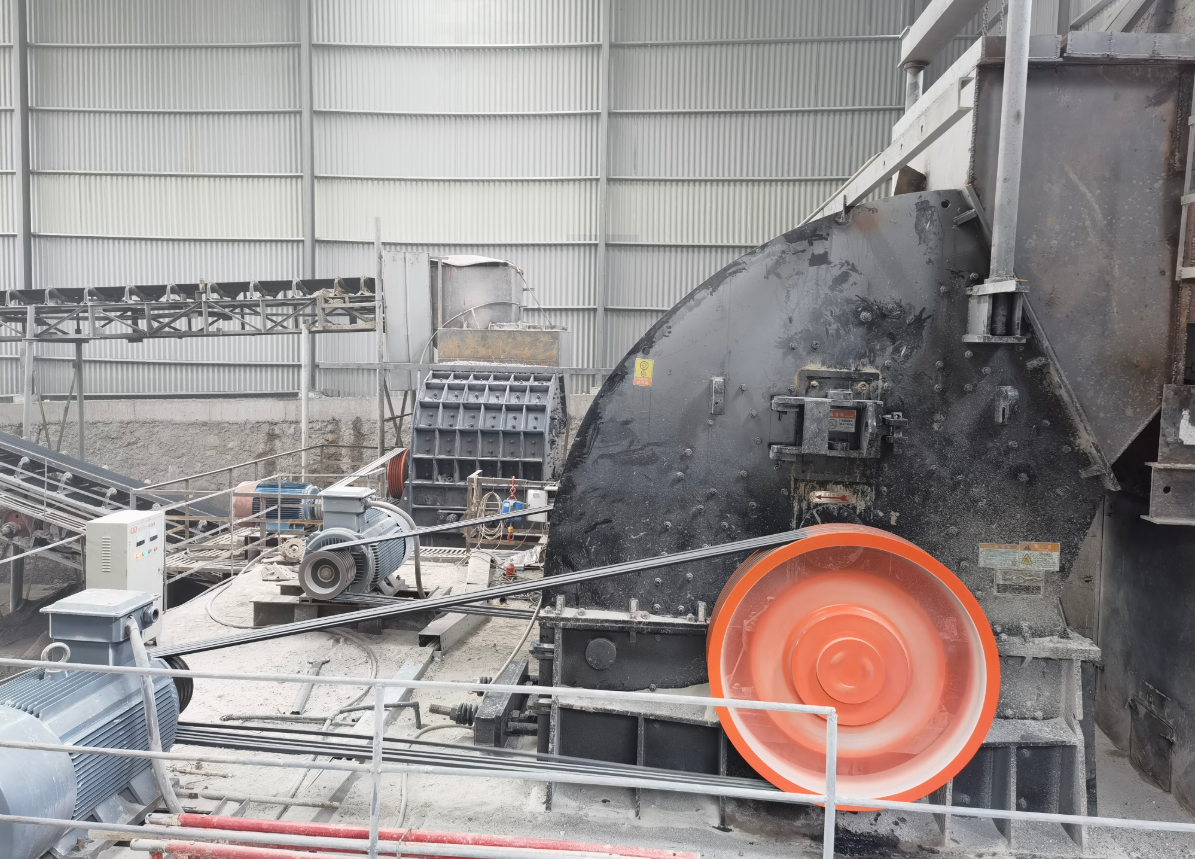
Rock crushing equipment must serve two very different operating worlds. A mine digs ore from deep, variable ground where rock changes section by section, while a quarry harvests consistent aggregate from a known face. Buyers who confuse the two often overspend on capital expenditure or under-spec the plant and suffer downtime. Specifying the correct duty class before any purchase order is signed prevents both overspend and chronic downtime.
Mining and Quarry: Two Operating Worlds
Rock hardness defines the duty class
Rock crushing equipment is selected first by material hardness, not by price. Mining ore bodies frequently mix competent and fractured zones, so the feed carries unpredictable lump sizes and abrasive gangue. Quarry rock such as limestone is more uniform, letting a single-stage hammer crusher or impact crusher deliver high reduction ratio at low cost. When Mohs hardness climbs above 6, as with granite or iron ore, abrasion accelerates and the crushing chamber needs hardened liner plate and a robust rotor to keep throughput stable.
Mobile versus stationary crushing plant layouts
A mobile crushing plant suits mining fronts that advance constantly and remote quarry sites with poor road access. Modern rock crushing equipment on tracks or wheels carries the jaw crusher, vibrating feeder and conveyor belt as one unit, cutting relocation time. Relocation also saves truck haul distance, which is the largest operating cost driver in remote mining. A fixed plant avoids repeated chassis and track wear but commits to one location, so a wrong site survey multiplies capital expenditure. Stationary systems dominate high-volume quarry operations where a fixed production line runs 24/7; they offer better dust control, simpler maintenance access and lower operating cost per ton. The choice hinges on feed point mobility versus sustained aggregate output.
Feed size and throughput set the design
Feed size, discharge size and target tons per hour (TPH) shape the whole flow. Mining applications often demand large feed openings and coarse particle size at first stage, then fine grinding downstream. Quarry lines prioritize gradation for concrete and asphalt, so screening and vibrating screen tuning matter most. A site survey and feasibility study before commissioning prevent mismatched hopper, motor power and conveyor belt that throttle the rated throughput of the rock crushing equipment specified for the job. Oversizing motor power wastes energy every hour, while undersizing forces derating that quietly erodes the planned return on investment.
Hardness and Abrasion Drive the Real Cost
Reading Mohs scale and silica content
Material hardness on the Mohs scale predicts wear far better than color or source. High silica content, common in quartzite and some granite, attacks wear parts aggressively because free quartz is harder than steel. Smart control systems log motor load and adjust feed to limit peaks, extending component life. Operators should request a petrographic or abrasion index test during the feasibility study so the crushing plant is specified for the actual rock, not a generic assumption about rock crushing equipment performance. An abrasion index above the design envelope demands chrome or ceramic-reinforced liner plate, not standard manganese, or the wear rate doubles within weeks.
How the crushing chamber survives abrasion
The crushing chamber is where abrasion is won or lost. Background: the Sichuan Xichang 250–300 TPH granite aggregate line processed variable hard rock. Problem: standard hammers overloaded and service intervals shortened. Solution: a KPC1313 double-chamber hard rock crusher with ZGC1250 vibrating feeder and 3YKQ2470 screens matched chamber geometry to granite abrasiveness. Measurable effect: stable gradation across 26–31, 16–26, 13–16, 5–13 and 1–5 mm fractions with predictable wear-part changeouts.
Wear parts: liner plate, hammer and rotor
Wear parts decide the payback period more than the sticker price. Liner plate profiles control the crushing chamber shape and reduction ratio; a worn profile shifts gradation and raises motor power draw. Hammer crusher rotors need balanced, rebuildable hammers rather than disposable castings. Matching liner plate metallurgy to silica content keeps spare parts consumption steady, protecting return on investment across the production line life and reducing surprise stoppages on any rock crushing equipment fleet. Rebuildable hammer bodies with replaceable tips cut scrap and keep the rotor balanced, a detail that protects both gradation and bearing life.
A Wear-Part Strategy That Pays Back
Maintenance scheduling and spare parts stock
Maintenance should follow operating hours, not breakdowns. A planned spare parts kit—liner plate, hammers, screens, conveyor belt—keeps the crushing plant running through peak season. ISO 9001–managed suppliers document heat treatment and dimensional checks, reducing variation. OSHA and ANSI guard and lockout standards protect technicians during liner changes, and NFPA dust-control guidance limits explosion risk at the hopper and screening decks. Reliable rock crushing equipment still fails without disciplined maintenance. Weekly torque checks on liner bolts catch loosening before it scores the crushing chamber, a low-cost habit that prevents catastrophic failures.
Smart control and compliance for lower cost
A smart control system ties motor power, vibration and dust control into one dashboard, flagging wear before failure. Noise control enclosures and green mine practices meet local permits and protect nearby communities. For global quarry and mining operators, modular design shortens installation and lets capacity grow with demand. EPC delivery from a single supplier—equipment selection through commissioning—lowers capital expenditure and compresses the payback period versus piecemeal procurement of separate machines. A single accountable partner also shortens the learning curve for local crews and simplifies spare parts traceability under ISO 9001 documentation.
Choosing between mining-duty and quarry-duty rigs comes down to rock, site and strategy rather than brand. The right rock crushing equipment matches hardness to chamber design, places mobile or stationary layout by feed mobility, and treats wear parts as a managed operating cost. Buyers who run a feasibility study, stock spare parts and demand documented maintenance get lower risk and faster return on investment.
Frequently Asked Questions
Question
What separates mining-duty from quarry-duty rock crushing equipment?
Answer: Mining-duty rigs handle variable, deep ore with larger feed size and tougher abrasion, often needing robust jaw crusher and cone crusher stages. Quarry-duty plants process uniform aggregate with hammer crusher or impact crusher for high reduction ratio at lower cost. The distinction shapes capital expenditure, wear-part consumption and maintenance rhythm, so specifying the correct duty class prevents chronic downtime and protects the production line's return on investment.
Question
Why does high silica content increase wear-part cost?
Answer: Free quartz in high-silica rock is harder than steel, so it erodes liner plate, hammers and rotor surfaces faster than soft limestone. That raises spare parts consumption and shortens the payback period. A petrographic test during the feasibility study reveals silica content early, letting the crushing chamber use harder metallurgy and a tuned feed rate to slow abrasion and keep operating cost predictable across the production line.
Question
How should a buyer choose mobile versus stationary layout?
Answer: Mobile crushing plant units suit advancing mine faces and remote quarry sites where relocation saves haul distance. Stationary systems fit fixed, high-volume aggregate operations that run continuously and need strong dust control. The decision rests on feed point mobility, available civil works and target tons per hour. A site survey clarifies access and power, while EPC planning aligns layout with the required gradation and throughput.
Question
Which wear parts need priority stock for continuous operation?
Answer: Liner plate, hammers, vibrating screen media and conveyor belt sections deserve first priority in any spare parts kit. These wear fastest and their failure stops the whole production line. Stocking matched metallurgy rated for the rock's silica content avoids emergency imports and long waits. Planned changeouts during scheduled maintenance, under OSHA and ANSI lockout rules, keep technicians safe and protect the rated throughput.
Question
Where do international standards apply in crusher operation?
Answer: OSHA and ANSI cover machine guards, lockout and technician safety during liner changes. NFPA guidance limits dust explosion risk at hoppers and screening decks, while ISO 9001 governs supplier quality and traceability of wear parts. EN or CE marks matter for EU-bound equipment. Following these standards during commissioning and maintenance reduces accidents, supports compliance and extends component life on the crushing plant.