
 EN
EN
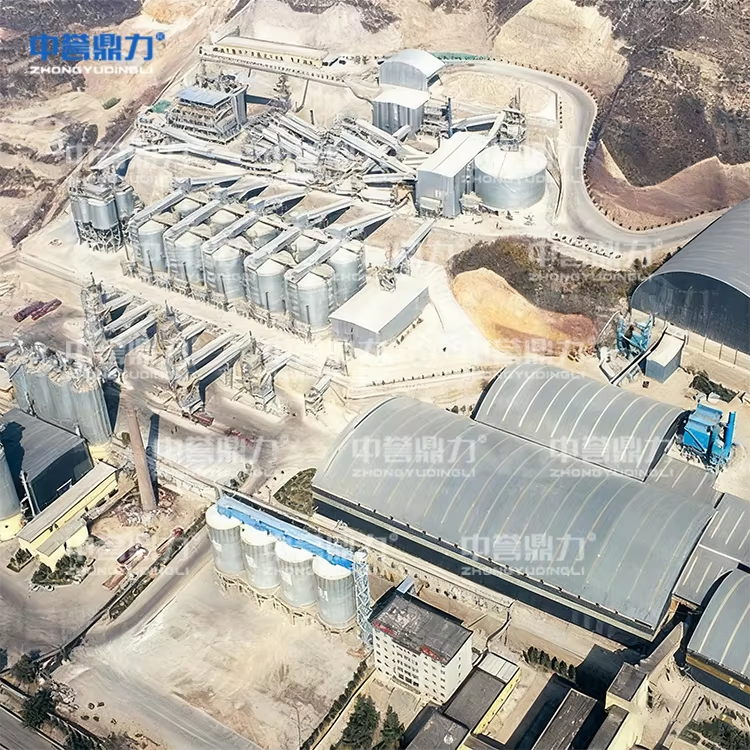
Choosing the right equipment starts long before steel meets stone. Stone Crushing on a granite quarry fails with a limestone setup, and a river pebble circuit chokes a basalt plant. Rock is never uniform: hardness, silica content, moisture, and feed size decide which crusher survives. This guide maps crusher types to real rock behavior so aggregate producers avoid costly mismatches and unplanned downtime. A wrong primary crusher can lock the whole plant into years of high wear cost, while a correct match pays back through steadier output and fewer shutdowns.
Rock Properties That Drive Crusher Selection
How Mohs Hardness Defines Crusher Choice
Stone Crushing performance depends first on Mohs hardness. Granite and basalt rank 6–7 on the scale, limestone about 3–4, and river pebble near 7. Harder material demands higher compressive force and abrasion-resistant wear parts. A jaw crusher handles the primary break on tough rock, while a cone crusher refines it in the secondary stage. Matching the crusher to the Mohs value prevents premature liner failure and keeps the reduction ratio steady. Operators who track hardness changes across a quarry face can shift settings before wear spikes, protecting both liners and product shape.
Abrasiveness, Silica, Moisture, and Feed Size
Effective stone crushing also tracks the abrasion index and silica content, which govern wear-part life more than hardness alone. High-silica basalt wears blow bars and liners quickly, raising operating cost. A typical wear-driven downtime of 10–15% on high-silica rock can double cost per ton; correct alloy selection recovers most of that loss. Moisture above roughly 8% risks clogging in fine chambers and on screens. Feed size sets the crusher opening and the required primary jaw setting. Oversize feed jams the chamber, while too small wastes capacity. Balanced feed size with the correct closed-side setting protects gradation and throughput.
Crusher Types Across Rock Categories
Jaw and Cone Crushers for Granite and Basalt
Granite and basalt need compression crushing for reliable stone crushing output. A jaw crusher takes large feed and delivers the first reduction ratio, then a cone crusher finishes to spec. These units tolerate high abrasion and deliver cubical product for road base. For very hard granite, the double-chamber hard rock crusher applies two crushing zones in one machine, raising capacity without enlarging the footprint. Cone liners should match the rock's abrasion index to extend service intervals. Regular closed-side setting checks keep the product within specification and protect the reduction ratio from drifting during long shifts.
Impact and Double-Chamber Crushers for Limestone and River Pebble
Limestone crushes well in an impact crusher, which shapes cubical aggregate at low wear cost. River pebble, though hard, is less abrasive; an impact crusher produces excellent sand and gravel gradation. For balanced stone crushing across mixed feed, the double-chamber hard rock crusher suits medium-hard granite and basalt where single units lack capacity. Selecting impact versus compression changes wear parts, power draw, and final shape, so rock testing should precede the purchase decision. Recording the test results in a specification sheet also helps plant engineers compare wear-part budgets across suppliers before commitment.
Sichuan Xichang Granite Line: A Field Case
Background, Problem, and Site Constraints
A Sichuan Xichang operator planned a 250–300 TPH granite aggregate line feeding local infrastructure. The site's granite measured high Mohs hardness with strong abrasiveness, and the target gradation required five fractions: 1–5, 5–13, 13–16, 16–26, and 26–31 mm. Earlier trials with conventional single-chamber equipment showed uneven product and frequent liner changes, threatening the project schedule and operating margin. The remote highland site also limited on-site welding and liner-stock availability, so equipment reliability weighed heavily in the final decision.
KPC1313 Solution and Measured Effect
The line adopted a KPC1313 double-chamber hard rock crusher with a ZGC1250 vibrating feeder and 3YKQ2470 screens. Two crushing chambers in one rotor raised throughput while keeping wear even. Closed-circuit screening returned oversize to the crusher, stabilizing gradation across all five sizes. The plant reached steady 250–300 TPH output with consistent cubical shape and fewer shutdowns for liner swaps, meeting delivery commitments on time. Continuous belt-scale monitoring confirmed the five fractions stayed within tolerance across varying feed conditions.
Procurement, Inspection, and Maintenance Advice
What to Check Before Buying and On-Site
Buyers should request a rock test covering Mohs hardness, abrasion index, and moisture before specifying equipment. Inspect the crusher's access for safe guarding per OSHA 29 CFR 1910 machinery standards and confirm ISO 9001 quality certification from the supplier. Verify the feed size range and the closed-side setting against the required gradation. Visit a running reference line, such as a granite or limestone plant, to judge real wear-part life and service support. Ask for a documented spare-parts list with lead times, because liner availability often decides whether a line meets its monthly tonnage target.
Operation and Wear-Parts Maintenance
Stable output relies on choke feeding and even material distribution across the chamber. Operators should monitor bearing temperature, lubrication pressure, and screen media condition on every shift. Keep a stock of jaw plates, cone liners, and blow bars sized to the abrasion index. Replace wear parts at the planned interval rather than at failure, and follow lockout procedures during service to protect personnel and reduce unplanned downtime. A simple vibration check on the rotor and screens each week catches imbalance before it damages bearings, and a lubrication log keeps oil intervals on track.
Matching the machine to the rock — its Mohs hardness, abrasion index, feed size, and target gradation — produces solid results. A verified rock test, the right jaw crusher, cone crusher, or impact crusher, plus closed-circuit screening and disciplined maintenance, turns a correct selection into steady TPH and lower cost per ton through dependable stone crushing.
Frequently Asked Questions
Question
Which crusher suits hard granite and basalt?
Answer: Granite and basalt rank high on the Mohs scale, so compression units suit them. A jaw crusher takes the large feed for primary reduction, then a cone crusher refines the material to spec. The double-chamber hard rock crusher adds capacity in one footprint. Match liners to the abrasion index and keep the closed-side setting correct to protect gradation and throughput.
Question
What rock properties should be tested before buying a crusher?
Answer: A proper rock test should cover Mohs hardness, abrasion index, silica content, moisture, and feed size distribution. These values decide the crusher type, liner material, and closed-side setting. Skipping the test risks wrong equipment selection, fast wear-part consumption, and poor gradation. Suppliers following ISO 9001 usually provide such test support before a line is specified.
Question
Why does high silica content increase crusher wear?
Answer: Silica is harder than most crusher steel, so high silica content raises the abrasion index and accelerates wear on blow bars, liners, and jaw plates. Basalt with high silica wears parts faster than limestone. Selecting abrasion-resistant alloys and matching the crusher type to the rock reduces consumption, extends service intervals, and lowers operating cost per ton.
Question
How does a double-chamber hard rock crusher improve output?
Answer: The double-chamber hard rock crusher places two crushing zones in one rotor, so material is reduced in sequence without enlarging the machine. This raises capacity and keeps wear even across chambers. On the Sichuan Xichang granite line, the KPC1313 model with closed-circuit screens reached steady 250–300 TPH with consistent gradation and fewer liner changes.
Question
What maintenance keeps a crushing plant running reliably?
Answer: Reliable stone crushing depends on choke feeding, even material distribution, and shift-based checks of bearing temperature, lubrication pressure, and screen media. Stock jaw plates, cone liners, and blow bars sized to the abrasion index. Replace wear parts on a planned schedule, not at failure, and apply lockout procedures during service to protect workers and cut unplanned downtime.