
 EN
EN
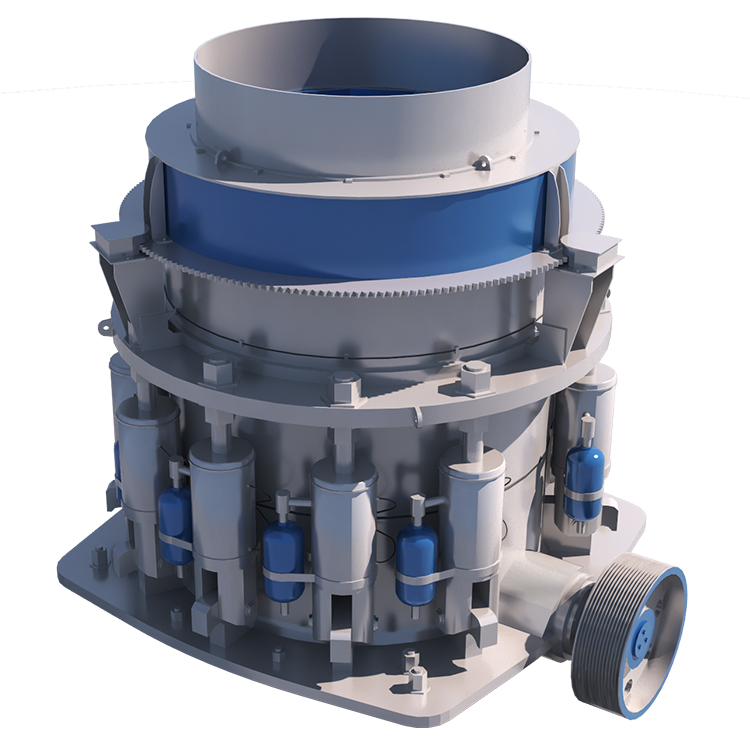
Understanding the Core Economics of Aggregate Processing
Choosing the right mineral processing setup is critical for maximizing profit margins in the mining and construction sectors. When quarry operators evaluate operational budgets, comparing a traditional fixed crushing plant against a flexible mobile crushing plant reveals dramatic differences in long-term expenditure. Every industrial crushing plant decision impacts daily cash flow. A fixed crushing plant typically relies on stationary heavy-duty machinery anchored to a permanent concrete foundation, which demands high upfront civil engineering investments. Conversely, a mobile crushing plant utilizes tracked or wheeled chassis to move directly to the raw material source, drastically altering transportation and setup economics. Every quarry manager evaluating a new crushing plant must analyze how initial capital outlay interacts with recurring daily expenses like fuel, labor, and transport logistics. Selecting the optimal crushing plant configuration directly dictates whether aggregate producers can maintain competitive pricing in volatile regional markets, making every operational crushing plant choice a strategic priority.
Capital Expenditure Versus Initial Installation Outlays
Setting up a reliable crushing plant involves careful financial planning regarding site preparation, equipment procurement, and infrastructure development. Constructing a conventional fixed crushing plant requires extensive earthmoving, concrete pouring, and permanent electrical grid connections, leading to steep initial deployment costs. However, once established, a stationary crushing plant offers massive processing capacity and lower per-ton wear costs over extended multi-year lifespans. On the other hand, acquiring a mobile crushing plant eliminates heavy civil foundation expenses entirely, allowing operators to deploy production units within days of arrival. Field engineers note that while a mobile crushing plant carries a higher initial unit price per hourly output capacity, any well-designed mobile crushing plant saves substantial capital by removing the need for long conveyor systems and permanent site infrastructure, proving that an adaptable crushing plant reduces preliminary financial exposure.
Comparative Operational Cost Analysis of Processing Systems
To understand the granular financial variance between these two aggregate solutions, evaluating quantitative operational metrics provides essential clarity for project planners investing in a modern crushing plant.
| Cost Category | Stationary Fixed Crushing Plant | Mobile Tracked Crushing Plant |
| Site Foundation & Civil Work | High permanent concrete and structural cost | Zero civil foundation or pouring required |
| Material Hauling Expense | High daily truck haulage cost within quarry | Minimal hauling due to on-site processing |
| Labor & Crew Requirements | Lower crew size due to centralized control | Optimized automation requiring lean oversight |
| Relocation & Teardown Cost | Impractical and prohibitively expensive | Fast, self-contained hydraulic relocation |
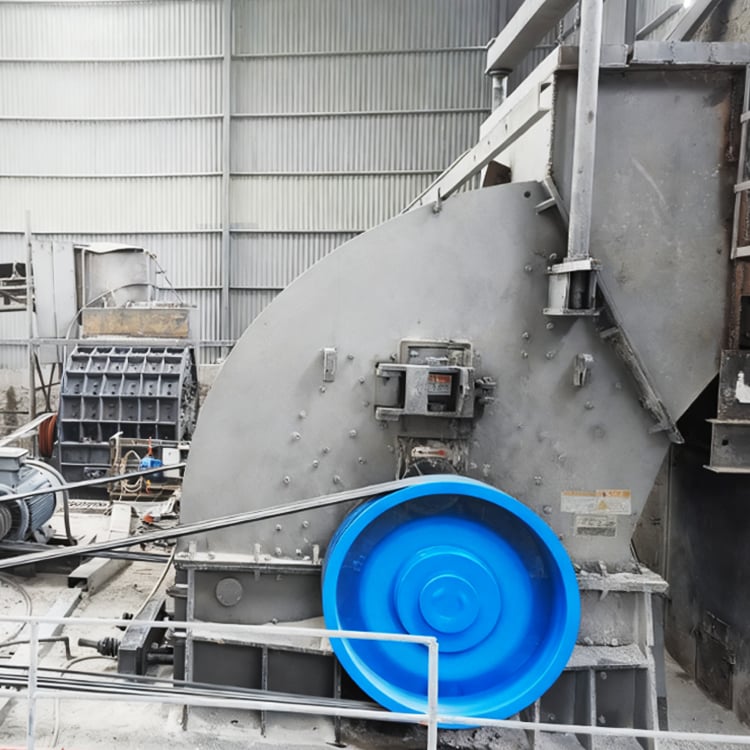
Expanding the economic comparison further clarifies how daily operating expenditures fluctuate based on raw material proximity and site mobility requirements when operating any industrial crushing plant.
| Efficiency Factor | Fixed Crushing Plant Design | Mobile Crushing Plant Mobility |
| Power Supply Infrastructure | Permanent high-voltage substation tie-in | Integrated diesel-electric generator power |
| Setup & Commissioning Time | Several months of heavy construction | Days from delivery to active crushing |
| Maintenance Accessibility | Fixed platform access with overhead cranes | Compact modular service intervals |
| Scalability & Expansion | Difficult to modify existing foundations | Highly modular and easily expandable |
Labor, Fuel, and Logistics Expenditure Variances
Operational expenditures in mineral processing are heavily driven by energy consumption, equipment maintenance, and workforce allocation. A traditional fixed crushing plant generally benefits from lower electrical power costs when connected to a stable municipal grid, reducing per-ton energy expenses compared to diesel-driven alternatives. However, transporting raw quarried rock from distant blasting faces to a centralized fixed crushing plant creates massive internal trucking overhead, burning substantial fuel daily. In stark contrast, deploying a mobile crushing plant directly at the extraction site eliminates internal hauling trucks almost entirely. By bringing the crushing plant directly to the rock pile, operators slash fuel consumption, tire wear, and driver payroll, achieving significant operational savings across remote or shifting quarry faces, proving that an agile crushing plant is indispensable for modern logistics management. Every running crushing plant must optimize fuel and transport efficiency to protect profit margins.
Practical Field Experience and Project Case Studies
Real-world aggregate production projects demonstrate that matching equipment mobility to geological conditions dictates overall project profitability. During a recent multi-phase highway construction aggregate supply contract in a rugged mountainous terrain, contractors utilized a hybrid approach centered around a high-efficiency mobile crushing plant. Field engineering logs confirmed that moving the crushing plant directly to successive quarry benches cut material transportation overhead by over forty percent compared to hauling raw stone to a distant fixed crushing plant. This hands-on operational insight proves that selecting a versatile crushing plant layout prevents logistical bottlenecks and directly enhances bottom-line profitability for contractors managing short-term or geographically dispersed projects, making every deployed crushing plant a proven profit center.
Manufacturing Excellence and Supply Chain Reliability
Achieving optimal economic efficiency in aggregate processing requires uncompromising manufacturing precision and robust global supply chain support. Top-tier machinery developers utilize advanced metallurgical casting, automated robotic welding, and rigorous load-testing protocols to ensure every manufactured crushing plant withstands punishing abrasive conditions. WEITAI stands as a trusted industry leader in aggregate processing technology, providing durable, high-performance machinery engineered for maximum uptime. By combining cutting-edge engineering innovation with responsive global supply chain networks, WEITAI empowers mining and construction enterprises worldwide to configure the ideal crushing plant solution, minimizing operational expenditures and maximizing long-term profitability through every reliable crushing plant installation.