
 EN
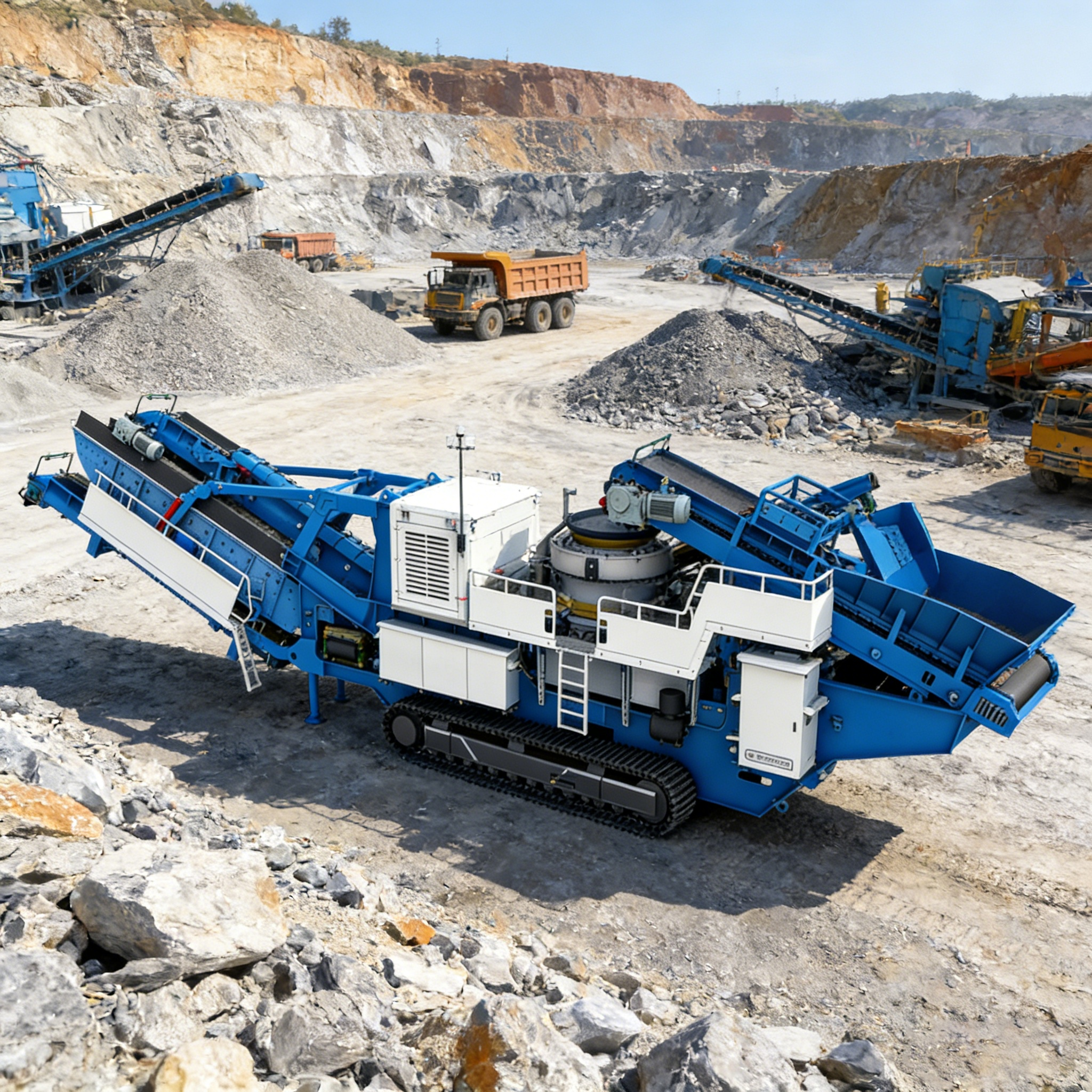
Washing aggregate consumes large volumes of fresh water on most crushing sites, yet modern aggregate washing equipment reduces that draw by recirculating the same water through a closed circuit. A traditional sand washer typically discharges the bulk of its process water as slurry, while a recycling-equipped line returns it to the feed tank. The gap between the two approaches decides both operating cost and permit risk for any new plant. Closing that gap is now a design goal, not an afterthought.
The water problem on a working aggregate site
What a traditional sand washer actually consumes
Sites that run without aggregate washing equipment built for recycling pull a constant stream of fresh water to carry clay, silt, and fines out of the material bed. Plants designed around open discharge draw from a river, borehole, or municipal supply and let the cloudy overflow leave the site. On a 200 t/h line this can mean thousands of litres per hour of single-pass water that never returns to the circuit. The cost appears twice: in the supply bill and in the sludge that must be managed downstream.
Why runoff and slurry become a compliance risk
Open discharge creates two problems that procurement teams underestimate. First, the slurry carries fine solids that settle in drains and nearby soil, drawing attention from environmental inspectors. Second, the lost water raises the site's total draw during dry months when local limits tighten. Sites operating under an ISO 14001 environmental management framework track this loss as a controlled variable, because uncontrolled discharge can pause production.
How modern aggregate washing equipment closes the loop
Wheel bucket and spiral washing in practice
The first stage scrubs the feed with mechanical agitation. A wheel bucket washer lifts cleaned material above the water line while letting lightweight clay float away, and a spiral unit adds longer retention for sticky ore. Modern aggregate washing equipment pairs the wheel bucket with speed control matched to the feed gradation, so agitation removes coating without pulverising the product. Good plants size the tub to hold enough water for one full pass while keeping power per tonne low, which protects both yield and energy cost.
Fine sand recovery and the hydrocyclone stage
Valuable fine sand often escapes in the overflow of a plain washer. A fine sand recovery unit feeds that stream through a hydrocyclone, where centrifugal force separates reusable sand from wastewater. Recovering those fines does two things at once: it returns saleable product and it cuts the solid load sent to the water tank. The cut point is chosen from the target gradation, because sending too much coarse material to the cyclone wastes pump energy while sending too little leaves money in the tailings. Plants that skip recovery also pay to dispose of the solids they could have sold.
The thickening tank and recycled water circuit
The heart of the saving is the recycling loop. After the cyclone, the thin wastewater enters a thickening tank where flocculated solids settle and clear water overflows to a clean tank. That water is pumped back to the washers, so fresh intake drops to only what evaporation and product moisture remove. A complete aggregate washing equipment circuit returns most of its process water each cycle, and the only net loss is the moisture leaving on the stacked aggregate. This closed design separates a modern line from a traditional open washer.
A field case from a water-stressed granite line
Background and the problem faced
A granite crushing line in a dry inland region ran a single open sand washer for manufactured sand. The local authority capped monthly withdrawals during the dry season, and the plant repeatedly approached the limit while still losing saleable fines to the drain. Production stopped for days when the borehole level fell. The team needed to keep output near 250 t/h without drawing more water, and they could not expand the settling pond because the site sat inside a protected watershed.
Solution deployed and measured result
The operator added a compact aggregate washing equipment package: a wheel bucket washer, a fine sand recovery unit with hydrocyclone, and a small thickening tank feeding a recycle pump. Within the first season the line met its output target while cutting fresh water intake sharply, because cleaned water returned to the circuit instead of leaving as slurry. Recovered fines also raised the yield of salable sand. The same footprint now runs through dry months that previously forced shutdowns, and the settled solids are handled as a controlled material rather than an uncontrolled spill.
Procurement and operating checks that protect the investment
What to verify before purchase
Buyers should confirm the recyclability of the whole circuit, not just the washer. Ask for a water balance sheet showing fresh intake versus recirculated volume, and check that the thickening tank capacity matches the fines load. Inspect wear parts such as buckets, screens, and cyclone liners, because abrasion sets the real service interval. Request references from sites with a similar feed and climate, since specified aggregate washing equipment tuned for a wet climate may underperform where water is scarce. Alignment with OSHA slip-and-trip guidance around wet walkways also matters for crew safety.
Daily use and maintenance routines
Operators keep the loop efficient by watching the clarity of the return water and the density of the underflow. Flocculant dose should track the incoming fines, not a fixed setting, or the tank overloads. Weekly checks on cyclone liners and screen panels catch wear before it leaks product. Draining and rinsing the clean tank during planned stops prevents biofilm build-up that blocks nozzles. Recording dose and clarity each shift builds the trend line that predicts liner change-outs, so parts arrive before failure rather than after.
Aggregate washing equipment pays back through lower water cost and steadier output when dry conditions limit supply. Closing the loop turns a recurring expense into a managed, predictable variable for any aggregate producer.
Frequently Asked Questions
Question
How much water can a recycling washer save versus an open sand washer?
Answer: A closed circuit returns most process water to the washers each cycle, so fresh intake falls to only evaporation and product moisture. Open lines lose that water as slurry. The exact saving depends on feed clay content and climate, but plants report sharply lower draw after adding a thickening tank and recycle pump to the original single-pass layout.
Question
Why does fine sand recovery matter in a washing circuit?
Answer: Plain washers let saleable fines escape in the overflow, which wastes product and loads the water tank with solids. A hydrocyclone recovers those fines by centrifugal separation, returning revenue and cutting the sludge sent to settling. Correct cut-point selection balances pump energy against recovered yield, so the circuit stays profitable as the feed gradation shifts.
Question
Which standards apply to washer water discharge on site?
Answer: Environmental management follows ISO 14001 for controlled discharge tracking, while local effluent limits set the real permit. Wet walkways and slip risk fall under OSHA housekeeping guidance for safe operation on site. Buyers should confirm regional rules before design, because limits tighten during dry months and vary by location and watershed status.
Question
How is a thickening tank maintained for steady recycle?
Answer: Operators track return-water clarity and underflow density, adjusting flocculant dose to incoming fines rather than a fixed rate. Weekly liner and screen checks catch wear early, and planned rinsing stops biofilm from blocking nozzles. Consistent routines keep the recycle loop efficient and protect product quality, while shift logs predict when liners need replacement.
Question
Can aggregate washing equipment work where water is scarce?
Answer: Yes. A compact wheel bucket washer, fine sand recovery unit, and small thickening tank let a dry-region line keep steady output while still cutting fresh intake. Recovered fines raise salable yield, and controlled settling replaces uncontrolled spill. The same footprint runs through dry months that previously forced shutdowns on open-discharge plants.