
 EN
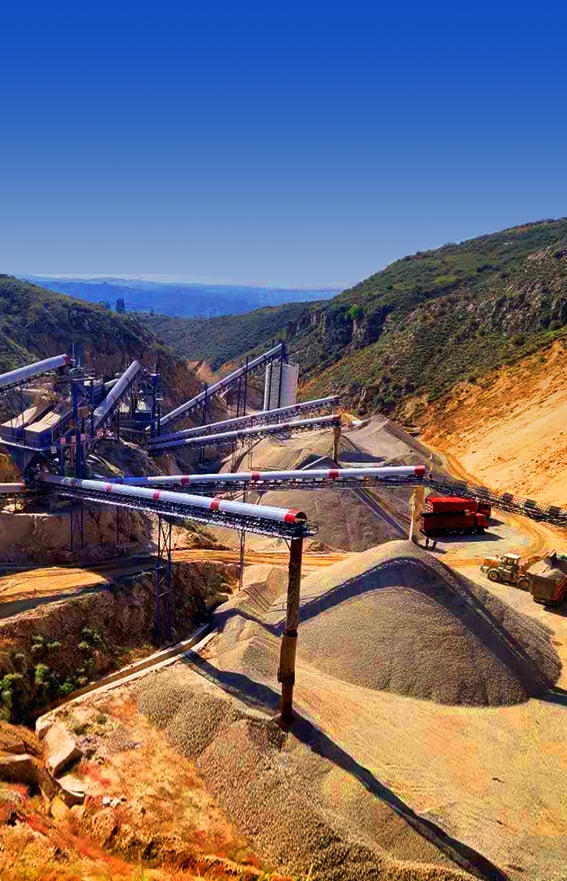
Alluvial gold sits loose in gravel and sand, so a complete gold mining equipment package focuses on washing, screening, and gravity concentration rather than crushing hard rock. A typical alluvial project needs a plant that feeds, scrubs, separates, and recovers fine gold in one continuous train. The right set depends on clay content, particle size, and how much water the site can spare for the circuit.
Why alluvial deposits need a different plant layout
How alluvial gold sits in the ground
Any gold mining equipment plan must begin with how the metal is distributed in the ground. Alluvial gold collects in old riverbeds, floodplains, and beach gravel where water once sorted the heavy minerals. The metal appears as flakes and fine particles trapped in clay and cobble, not as veins in solid rock. Recovery therefore starts with liberation: breaking the clay matrix so the dense gold can move freely through the concentrating stage. Skipping this step leaves most value in the reject stream.
Where a standard hard-rock line fails
A hard-rock crusher plant assumes the ore must be broken before recovery, which wastes energy on material that is already loose. Worse, fixed jaw and cone circuits choke on wet, sticky alluvial feed and let fine gold report to tailings. Gold mining equipment for alluvial use instead treats the feed as already-sized, so the plant scrubs gently and concentrates early. Matching the layout to the deposit type protects both recovery and operating cost across the project life.
The full equipment set for an alluvial project
Feeding and scrubbing the oversize
The train begins with a vibrating grizzly feed that removes boulders and meters material to a trommel scrubber. The scrubber rotates the feed with lifted water to break clay balls and expose trapped gold, then discharges washed ore to the screen. Drum speed and lifter design set how clean the output gets; too slow leaves clay, too fast pulverises gravel the client could sell. This stage decides how much gold reaches the concentrators downstream, so it is sized from a sample test rather than a catalogue guess.
Screening and the trommel stage
After scrubbing, the trommel screen classes the ore by size, sending oversize to waste and the gold-bearing fraction to concentration. Screen aperture choice follows the local gradation, because gold fines concentrate in specific size bands. A well-set trommel keeps the concentrate stream dense and the reject clean, which lowers the load on the next stage. Modular screens let crews adapt when a pit changes grade, and quick aperture swaps prevent over- or under-sizing that dilutes the captured yield.
Concentration: sluice, centrifuge, and shaker
The concentrate passes to gravity recovery. A sluice box uses riffles and a shallow slope to trap heavy particles as water flows over them, while a gold centrifugal concentrator spins feed at high G-force so fine gold packs against the bowl wall. A shaking table then cleans the intermediate product. Gold mining equipment in this stage is tuned to feed rate, because overload dilutes the concentrate and buries fine gold in tailings. Balancing the three units keeps both coarse and fine fractions in the catch.
A field case from a riverbed pilot run
Background and the problem faced
A contractor ran a small riverbed pilot where hand-panning showed flakes but a borrowed hard-rock unit recovered almost nothing. The feed was loose gravel with heavy clay, and the borrowed plant smashed cobbles while letting fine gold wash out. Water was limited, and the client needed a mobile set that could move along the channel as faces changed. Recovery had to improve without a fixed foundation, because the permit covered only a seasonal, relocatable footprint.
Equipment supplied and outcome
The supplier delivered gold mining equipment as a mobile set: a trommel scrubber, a sluice box, and a centrifugal concentrator on a skid. Scrubbing freed the trapped flakes, the sluice caught coarse gold, and the centrifuge recovered the fine fraction the old plant lost. The pilot lifted recovered grade well above the hand-pan estimate and ran on a small water circuit. The client later scaled the same train to a full seasonal plant, confirming the layout before committing to a larger capital spend.
Selection, compliance, and upkeep for buyers
What to check before ordering
Gold mining equipment buyers should match the set to clay content and target particle size, then confirm throughput and water need. Ask for a recovery test on a representative sample, because quoted grades mean little without it. Inspect wear parts such as scrubber liners and centrifuge bowls, since abrasion drives service intervals. Confirm the design avoids mercury amalgamation, which the Minamata Convention restricts, and that build quality follows ISO 9001 controls for consistent, traceable manufacture.
Operating and maintenance discipline
Crews keep recovery high by watching sluice mat buildup and centrifuge discharge, adjusting feed rate before overload. Weekly checks on screen panels and bowl liners catch wear that leaks gold to tailings. Rinsing the circuit between faces prevents cross-contamination of grades. Following OSHA guidance on wet, sloping walkways and lockout keeps the crew safe around rotating and pressurised parts, and a short daily log turns small signals into scheduled, low-cost interventions.
Gold mining equipment for alluvial projects succeeds when the set matches the deposit, not when individual machines are oversized. A scrubber, screen, sluice, and centrifuge working as one train recover more fine gold than any single unit alone.
Frequently Asked Questions
Question
What machines make up a full alluvial gold plant set?
Answer: A complete set usually includes a grizzly feeder, trommel scrubber, classifying screen, sluice box, and centrifugal concentrator, with a shaking table for cleaning. Some plants add a thickener to recycle water. The exact train follows clay content and target particle size, so suppliers size each stage from a representative sample test rather than a standard layout.
Question
Why does a scrubber matter more than a crusher for alluvial gold?
Answer: Alluvial feed is already loose, so the goal is liberation, not breaking rock. A trommel scrubber breaks clay balls and frees trapped flakes that a hard-rock crusher would smear or lose. Scrubbing early protects fine gold and keeps the concentrators fed with clean, correctly sized material, which lifts total recovery without extra crushing energy.
Question
How does a centrifugal concentrator recover fine gold?
Answer: The bowl spins feed at high G-force, forcing dense gold particles outward against the wall while lighter slurry exits. Periodically the bowl opens and discharges the concentrated load. Correct feed rate and water balance matter, because overload dilutes the concentrate and lets fine gold report to tailings instead of the catch, lowering the plant grade.
Question
Which rules restrict mercury use in gold recovery?
Answer: The Minamata Convention limits mercury in artisanal and small-scale gold mining, so modern plants avoid amalgamation. Build quality and traceability follow ISO 9001, while site safety around wet, rotating equipment aligns with OSHA guidance. Buyers should confirm the design complies before ordering any recovery train from a supplier, since rules differ by region.
Question
Can alluvial gold plants run with limited water?
Answer: Yes. Mobile sets use a small recirculating circuit with a thickener so the same water washes repeatedly instead of flowing away. Scrubbing and sluice stages are tuned to that loop, and crews top up only for evaporation. Such gold mining equipment suits dry regions and moving channel faces where a fixed plant cannot follow the ore.