Vibrating Screen 50t/h | High-Efficiency Screening for Mining & Aggregate
Screening Capacity Is Where Bottlenecks Hide
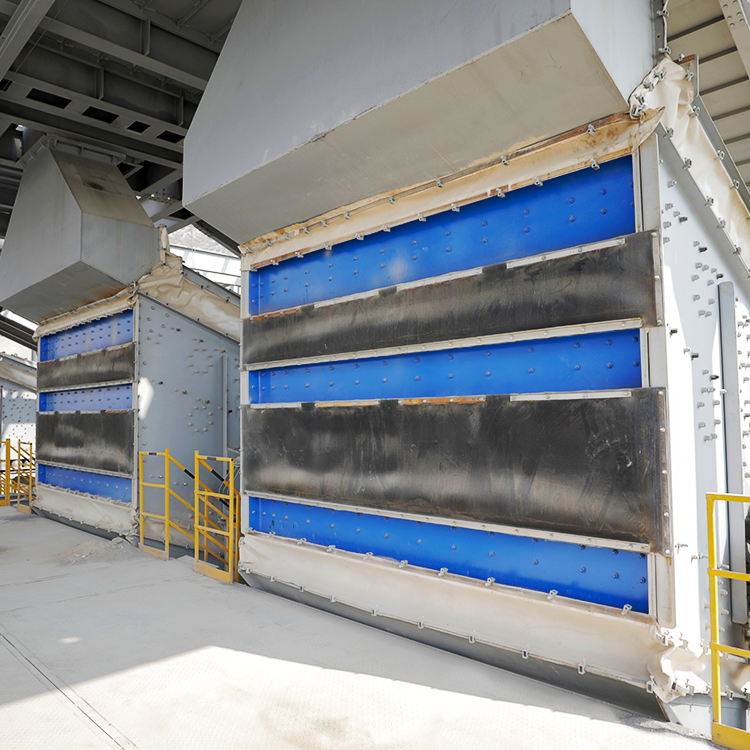
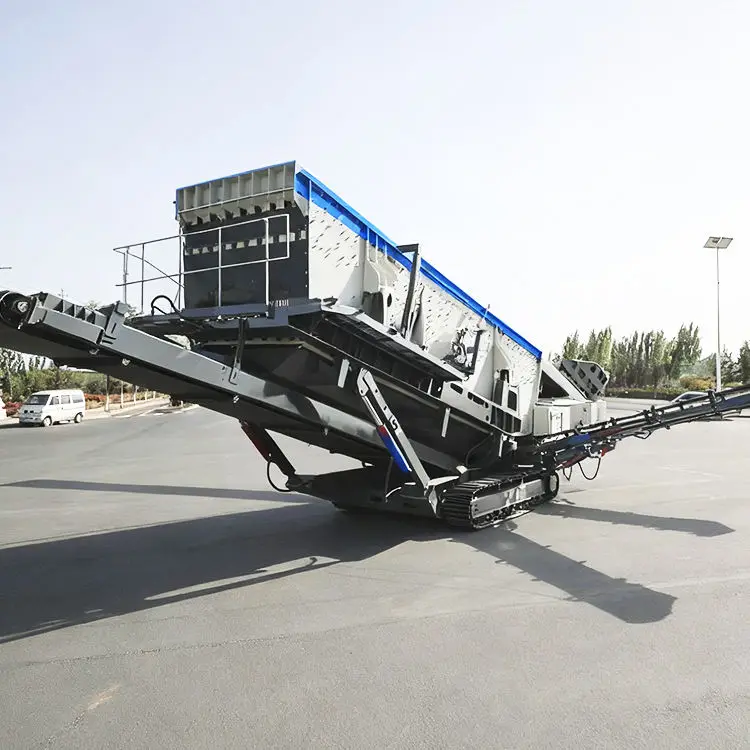
A quarry supervisor once told me his crusher was running at full output, but his plant still couldn't meet orders—the vibrating screen was the bottleneck nobody noticed. Screening doesn't get attention until it limits everything else. This high-capacity vibrating screen handles 50 t/h for efficient material screening in mining and aggregate operations. It's built to keep pace with production, not hold it back.
Durable Design, Lower Maintenance Demands
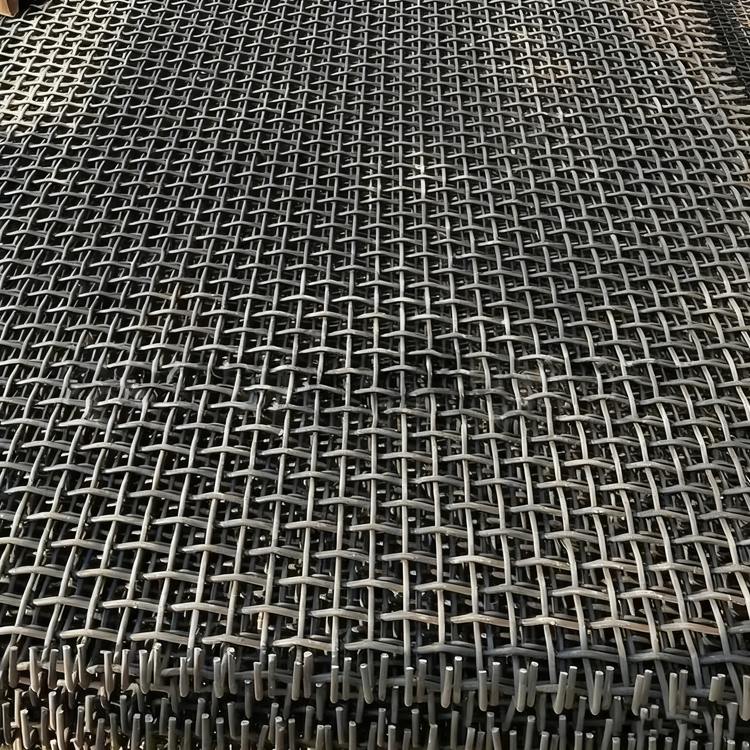
In mining and aggregate work, screens run continuously under abrasive loads, so durability directly affects uptime. This unit's durable design reduces maintenance frequency and replacement costs—practical savings that compound over a season. Industry practice consistently shows that properly matched screening capacity improves plant throughput and product consistency. If your operation is ready to eliminate a hidden bottleneck
Get A Quote

 EN