Key Product Features
1. The shaker uses a thin oil lubrication system (more than 20 liters) and requires lubricant change between 1,000-1,500 hours of operation.
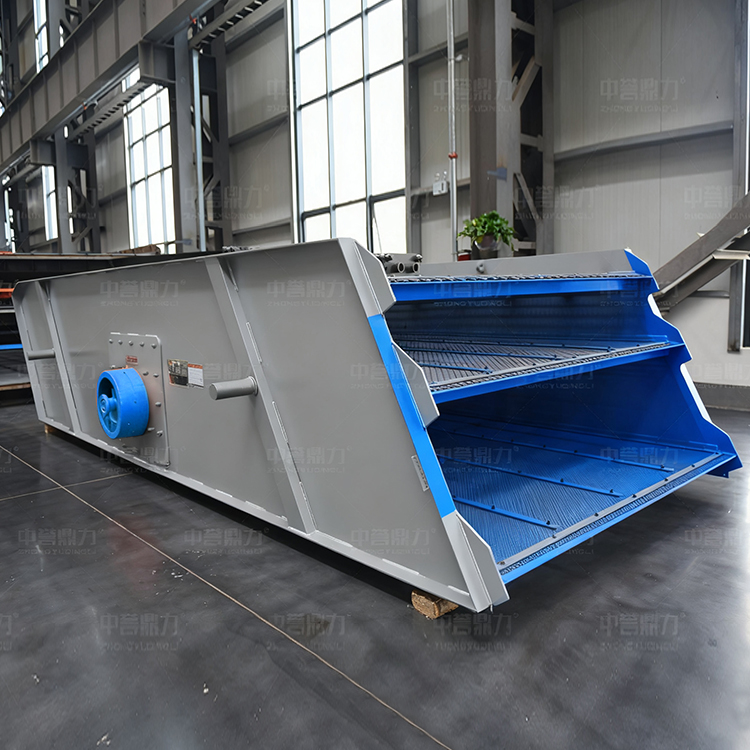
2. The shaker spindle uses a through-shaft design which eliminates a very large bearing housing and guard structure, thus further increasing system stability.
3. The excitation force on the shaker is provided by an external eccentric block which is easily adjustable.
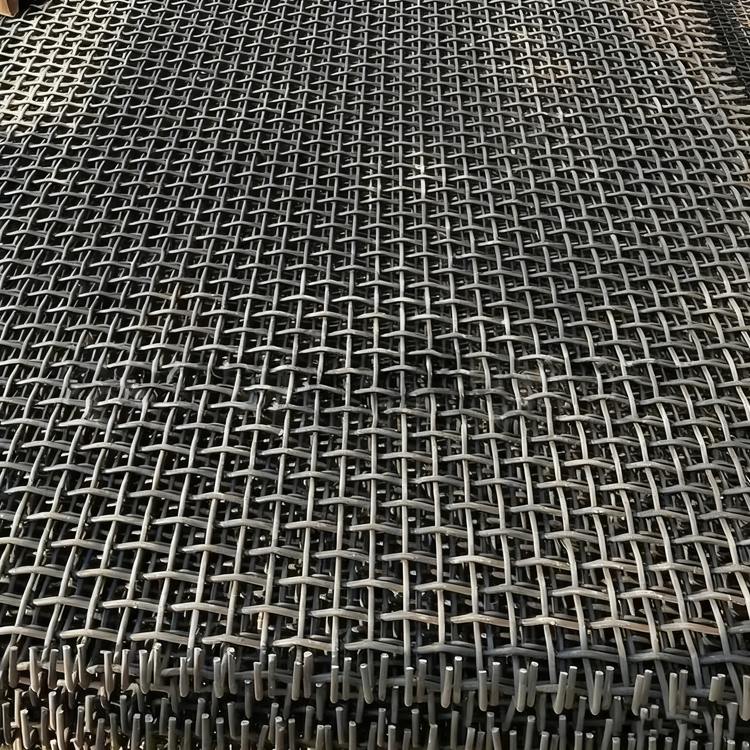
4. A welded screen can be mounted on the shaker to remove oversize material, and is easily replaceable.
5. The bearings used are of the SKF design which increases the system life and stability.
6. The lateral and bottom walls of the shaker box are connected using flanges and all the other walls of the box are joined using high strength fasteners thus providing increased strength to the box.
Why Bearing Design Determines Screen Reliability
A maintenance supervisor once told me most vibrating screen failures he'd seen traced back to bearing housings—either overloaded, poorly lubricated, or impossible to access. Bearing design isn't a detail; it's the difference between smooth operation and frequent breakdowns. This shaker uses a through-shaft spindle design that eliminates a very large bearing housing and guard structure, further increasing system stability. It also uses SKF-design bearings, raising system life and reliability.
Simplified Design, Easier Maintenance
The shaker uses a thin oil lubrication system (over 20 liters), requiring lubricant changes between 1,000–1,500 hours of operation—straightforward maintenance planning. Excitation force is provided by an external eccentric block that's easily adjustable. A welded screen can be mounted to remove oversize material and is easily replaceable. The lateral and bottom walls of the shaker box connect via flanges, while other walls use high-strength fasteners, providing increased box strength. Industry practice consistently shows that accessible, well-engineered components reduce downtime and extend service life.

 EN