
 EN
EN
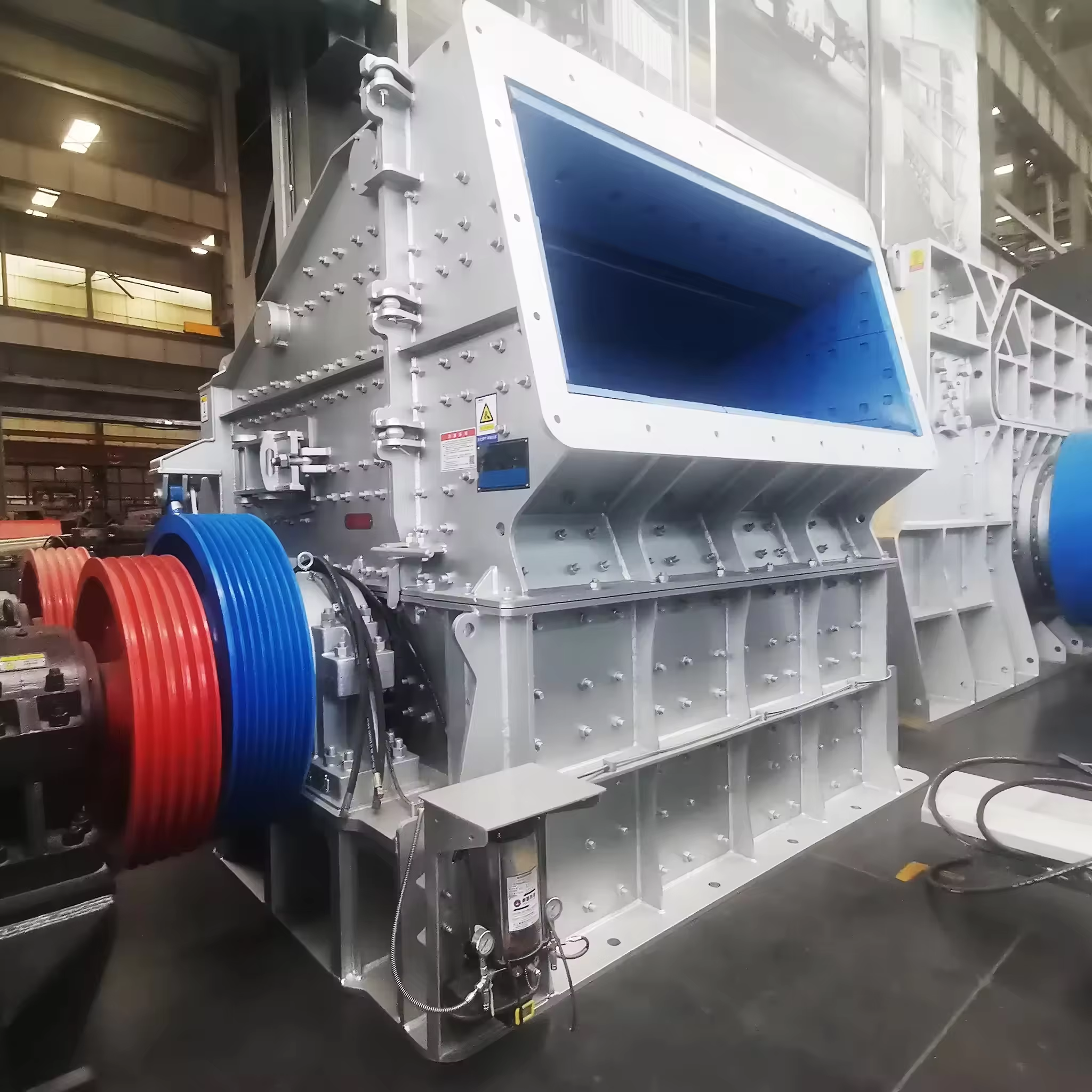
How Impact Crushing Machines Enhance Efficiency in Construction Stone Processing
HSI vs. VSI: Kinetic Energy Transfer and Particle Shape Control for Optimal Aggregate Quality
HSIs work by spinning hammers that hit the material being crushed, creating those sharp edged pieces perfect for building roads and their bases underneath. VSIs take a different approach altogether. They spin the rocks around really fast first, then let them crash into anvils or other rocks. What comes out are these nice cube shaped grains that concrete needs for strength and asphalt requires for tight packing. The way energy gets applied makes all the difference here between just smashing things and carefully controlling how they break apart. According to some research from Aggregate Research International last year, those cubes packed together can actually be 15% denser than regular aggregates. Less empty space means better overall stability in mixes. On the flip side, when dealing with softer stuff like limestone, HSIs have their strengths too. These machines can process this kind of material about 30% quicker since there's less wear on the parts doing the actual crushing job.
Real-World Performance: 37% Cycle Time Reduction with Smart VSI Units in Urban Metro Projects
Smart VSI crushers with automatic gap adjustments, sensors that detect rock hardness as it happens, and rotor speeds that adapt on their own are making big differences in tough city conditions. Take Frankfurt's new subway project for instance. The team there installed these smart crushers and saw processing times drop by almost 40%. They were able to produce around 12,000 tons of crushed old concrete each week, which covered nearly all the aggregate needed right at the construction site. No need to bring in fresh materials from elsewhere meant avoiding something like 740 trucks coming into the city every week according to Construction Equipment Institute reports from last year. And let's not forget about maintenance either. These machines kept running about 92% of the time despite all the challenges cities throw at them. Noise restrictions during certain hours and limited space for operations make consistent performance absolutely essential when working in packed urban areas.
Mobile Impact Crushing Machines: Flexibility and Low-Disruption Deployment on Construction Sites
Track-Mounted Impact Crushing Machines in Retrofit Projects Across EU and APAC Markets
Track mounted impact crushers do away with the need for permanent foundations, which makes them great choices for retrofits, rehab work, and staged construction throughout Europe and parts of Asia. The machines are small enough to fit into tight spaces and can be set up quickly even in city streets or high places, saving around 40 percent of the setup time needed for regular stationary plants. When construction sites change over time, these mobile units can just move along with them. That's really helpful during road repairs where crews work one section at a time. Some models run on diesel electric hybrids so they work well far from power grids too. What matters most though is that crushing materials right where buildings get torn down cuts transportation needs by as much as 60 according to EU infrastructure reports. This means fewer trucks on roads, lower carbon output, simpler logistics management while still maintaining good quality aggregates with consistent shapes and sizes.
Smart Integration: GPS Fleet Management and Real-Time Wear Monitoring for Uptime Optimization
Modern impact crushing operations now come packed with IoT sensors and telematics tech that shifts how we manage equipment from fixing things after they break to anticipating problems before they happen. With GPS tracking on all those machines spread out over big construction sites, operators can coordinate multiple units much better, which means smoother material flow and smarter workload distribution. The system keeps tabs on stuff like how thick the blow bars are getting, wear patterns on the aprons, and what's happening with bearing temperatures. This early warning system catches issues before they become major headaches, and according to the Aggregate Industry Benchmark Report from last year, it cuts unexpected downtime by around 35%. When parts get to about 80% wear, automated alerts pop up so maintenance crews know exactly when to schedule replacements during slower periods in the workday. Getting help remotely speeds things up too, with troubleshooting taking half as long as it used to. All these connected features create this continuous improvement cycle where actual performance data gets fed back into adjusting rotor speeds, feed rates, and other settings to keep production running at top efficiency while maintaining consistent product quality standards.
Sustainability Advantages of Modern Impact Crushing Machines in Construction
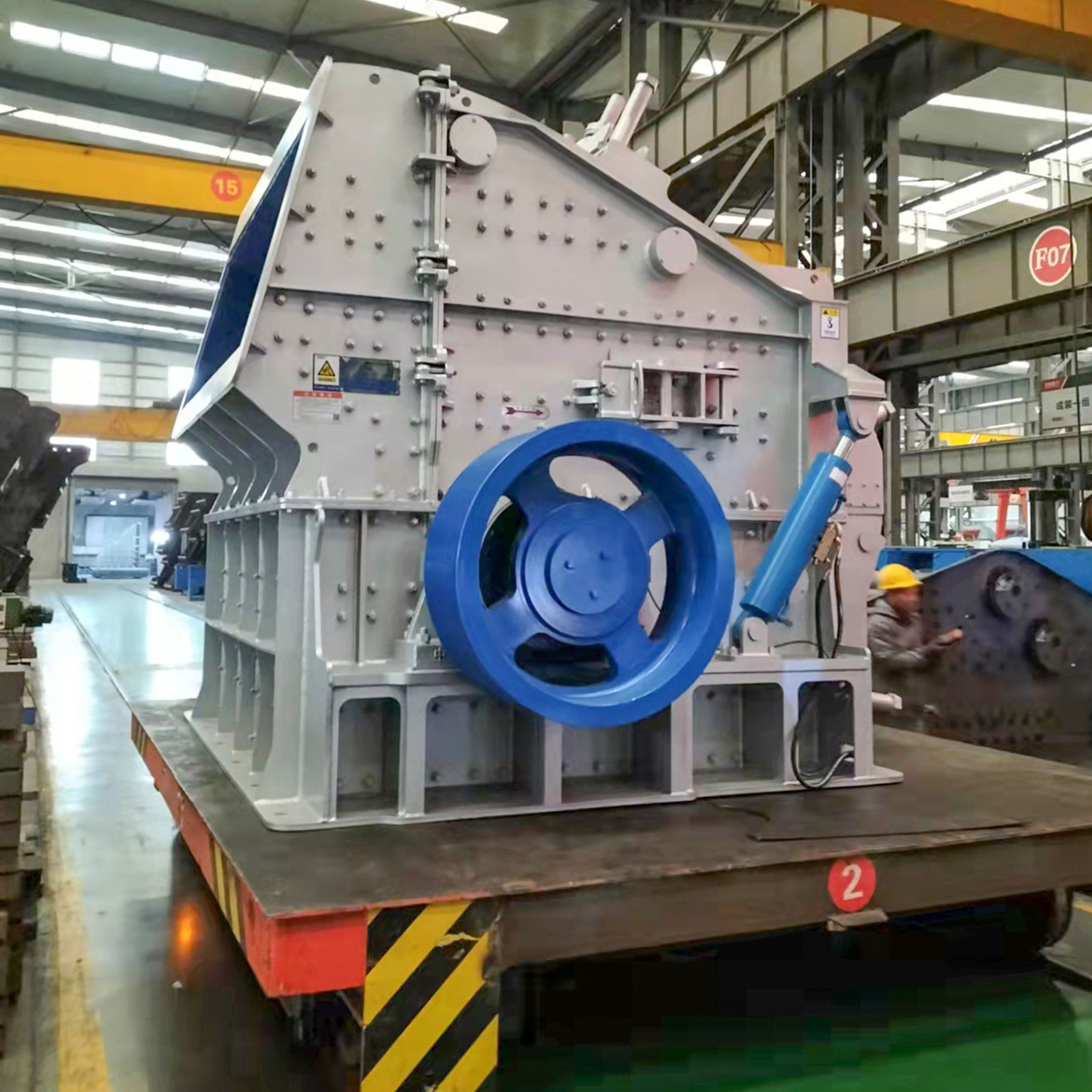
Dust Suppression and Energy Efficiency: How Advanced Impact Crushing Machines Reduce Environmental Footprint
The latest impact crushing machines cut down on environmental harm thanks to smart engineering built right into their design rather than bolt-on fixes. These machines have sealed crushing areas combined with targeted water sprays that knock down dust particles in the air by around 60 percent, which actually meets those tough city air quality rules. They also ditch traditional hydraulic systems completely for electric direct drives, so there's no messy fluid leaks and the whole thing runs much quieter too—about 10 decibels less noisy to be exact, making them great neighbors for communities nearby. The controls automatically adjust how much power they need based on what kind of rock is coming in and how fast it's moving through, so they don't waste electricity when things slow down. One quarry that upgraded saw their energy costs drop by roughly 30% per ton crushed. With all these improvements in energy efficiency, almost zero dust escaping, and reduced noise pollution, these machines help companies stay ahead of green regulations while keeping construction sites cleaner and more efficient overall.
FAQ
What are the main differences between HSI and VSI crushers?
HSI crushers use spinning hammers to hit the material, creating sharp-edged pieces suitable for construction. VSI crushers spin rocks at high speeds, producing cube-shaped grains ideal for concrete and asphalt.
How do Smart VSI units improve construction efficiency?
Smart VSI units feature automatic gap adjustments and sensors that adapt to rock hardness, reducing processing times significantly and enhancing urban project efficiency.
What advantages do mobile impact crushing machines offer in construction?
Mobile impact crushers provide flexibility, eliminating the need for permanent foundations and reducing transportation needs, which leads to lower carbon emissions and logistic simplifications.
How do modern impact crushers contribute to sustainability?
These machines incorporate dust suppression features and energy efficiency improvements, reducing environmental impact by minimizing noise pollution, dust emissions, and energy usage.