
 EN
EN
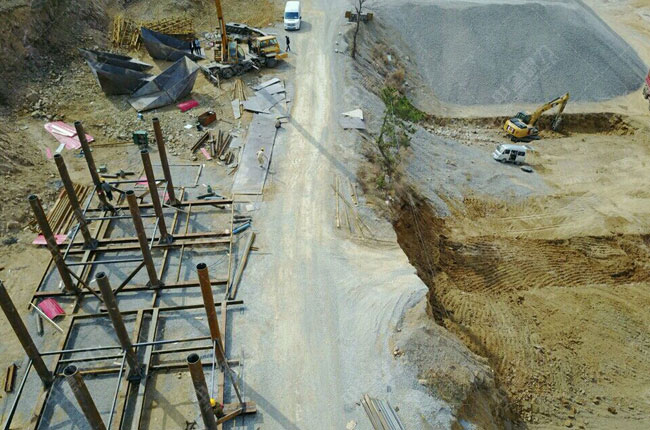
Rock Crushing Plant Layout: Optimizing Material Flow and Spatial Efficiency
Getting rock processing right really depends on how we organize space properly. When we create separate zones for feeding material, crushing it, screening, and storing the finished product, we actually cut down on how far stuff has to move around by somewhere between 30 to maybe even 50 percent compared to just throwing everything together randomly. The whole setup works better because there's less moving things back and forth, which means saving fuel money and getting more done in less time. Putting the main crusher close to where the rocks come in saves a lot of driving time for trucks. And when we combine the screening process with stockpiling areas, materials can go straight from the screen onto conveyors without needing extra handling steps.
Zone-Based Layout Design: Feed, Crushing, Screening, and Stockpile Integration
Organizing different parts of the operation into separate areas makes everything run smoother and cuts down on dangerous cross traffic between equipment. The main crushing unit needs to sit right next to where materials come in so it can process the raw stuff efficiently. Secondary and tertiary crushing stations work best when placed so gravity helps move material along naturally. When setting up screening decks, they need to match up properly with how high the crushed material comes out of the crushers otherwise those transfer chutes get clogged up all the time. For stockpiles, positioning them strategically allows radial stackers to do their job properly while still giving loaders easy access points. Most importantly, this setup shouldn't mess with what's happening earlier in the production line either.
| Layout Approach | Material Travel Distance | Throughput Gain | Maintenance Access |
|---|---|---|---|
| Zone-Based Design | 30–50% reduction | 15–25% improvement | Dedicated service lanes |
| Linear Flow | Moderate reduction | 5–10% improvement | Partial lane access |
| Ad-Hoc Arrangement | Unoptimized | No measurable gain | Restricted access |
High-capacity crushing operations benefit from compact, radial designs that centralize control stations for visibility.
Mitigating Bottlenecks: Transfer Angles, Conveyor Alignment, and Maintenance Access
When transfer points are angled over 20 degrees, materials tend to roll back and spill out, which means more cleaning work for operators. Keeping conveyors within about 3 degrees of flat helps stop belts from going off track, something that can cut down on unexpected shutdowns by roughly 40 percent according to some data we've seen. Maintenance folks should always have full circle access around those big crushing machines and screening equipment too. Industry reports indicate that having enough space around these components can actually shorten repair times by nearly half. And don't forget about where workers need to walk when checking things out. Putting walkways in smart locations along with proper overhead support structures makes inspection rounds much safer for everyone involved.
Rock Crushing Plant Capacity Planning: Matching Equipment to Production Goals
Staged Capacity Matching Across Primary, Secondary, and Tertiary Crushers
Getting maximum throughput from a crushing operation depends on matching the capacity of each stage with carefully selected equipment. The first step usually involves jaw or gyratory crushers that do the initial size reduction work. These primary units need to be oversized by about 10 to 15 percent compared to what the plant is supposed to process normally. This extra capacity helps them handle those inevitable variations in feed material. What comes next matters just as much. Secondary cone crushers take the output from these primary units and they really need to line up properly in terms of power and chamber design. Otherwise there's going to be problems with overload situations. Most secondary crushers run at around 85 to 90 percent of what the primary ones put out. For the final shaping stage, either cone or impact crushers get the job done. They're set up specifically to deal with materials that get sent back after screening operations create some recirculating load. And let's not forget about those connections between different stages. If the material doesn't flow smoothly from one crusher to another, especially between primary and secondary units where conveyor systems often bottleneck, the whole system can lose up to 30 percent of its potential throughput capacity.
Reduction Ratio Optimization and Feed Size Consistency for Maximum Throughput
Getting the right reduction ratios at each stage of crushing makes a big difference in how much material gets processed overall. Most primary crushers work best with reduction ratios between 4:1 and 8:1 since this helps cut down on material that needs to go back through again. Secondary units typically handle ratios from 3:1 to 6:1 which gives better shaped particles for downstream processes. Keeping the incoming material consistently sized is really important too because when there are oversized chunks getting into the system, it can clog things up and actually drop cone crusher output by anywhere from 20% to 40%. That's why many operations install vibrating grizzlies or scalping screens right before the primary crusher starts working. These devices sort out those tiny fines so the main equipment only deals with what it was built for. At larger facilities handling 200 to 500 tons per hour, having steady feed gradation means operators don't have to keep adjusting settings all the time, which keeps production flowing smoothly. When everything works together properly like this, plants see higher hourly outputs and save energy costs somewhere around 15% to 25% per ton processed.
Integrated Crushing Circuit Design for Reliable High-Capacity Operation
Putting together a crushing circuit means getting all those primary, secondary and tertiary crushers working hand in hand with screens and conveyors so everything flows smoothly through the system without getting backed up. When we choke feed these crushers properly, they run at their best power levels and components don't get stressed out as much. This simple practice can actually boost efficiency somewhere around 20 to 30 percent in big rock crushing operations. The screens themselves work pretty well too, often hitting over 90% efficiency which cuts down on how much material gets sent back for reprocessing. These days most modern setups have smart controls that tweak feed rates and adjust crusher settings automatically depending on what's happening with power usage and how dense the material is coming in. All this coordination between machines and computerized systems lets plants keep running anywhere from 200 to 500 tons per hour with very few unexpected shutdowns. Good planning for conveyor paths and having maintenance access points right where needed makes things even better, because workers can fix problems quickly without stopping the whole operation completely.
FAQ
1. Why is layout important in a rock crushing plant? Organizing a rock crushing plant into specific zones for feeding, crushing, screening, and storing drastically reduces material handling distances, saving time and fuel. Efficient layout leads to improved throughput and lower operational costs.
2. How does zone-based layout design improve plant operations? Zone-based layout prevents cross-traffic and integrates processes, allowing seamless material flow from crusher to depot. This approach shortens material travel, reduces overhead, and minimizes congestion.
3. What role does capacity planning play in crushing plant performance? Proper capacity planning ensures the machinery is neither over nor underutilized, optimizing the processing of various rock sizes. Each stage should be correctly matched in capacity to avoid bottlenecks and maintain a continuous flow.
4. What is the importance of reduction ratio optimization? Adjusting reduction ratios at each processing stage maximizes throughput and particle shape, enabling efficient processing. Proper ratios help prevent system blockages and maintain uniform output.