
 EN
EN
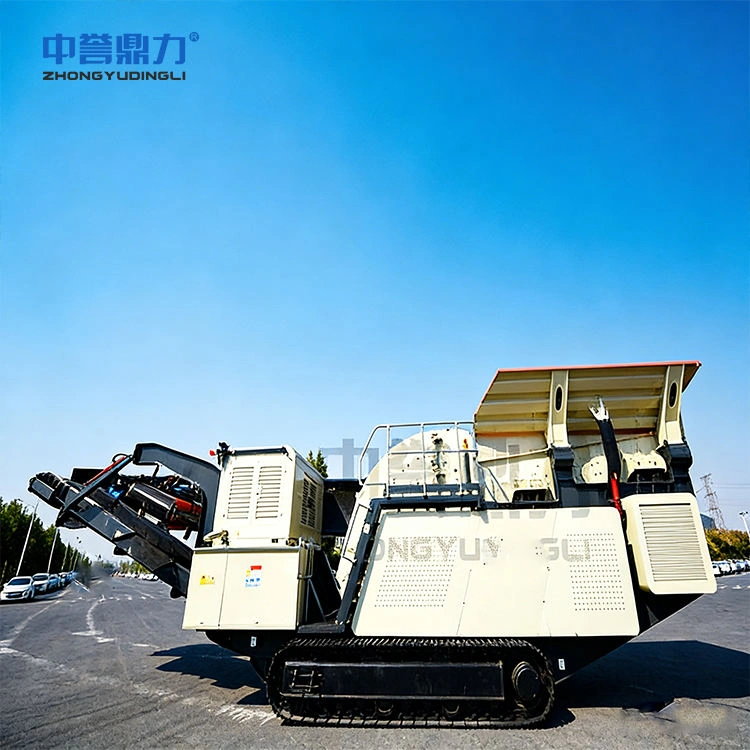
Time Efficiency: Accelerating Project Timelines with Mobile Crushers
Eliminating Off-Site Logistics Delays
When using mobile crushers, projects can save days if not weeks on their timelines because these machines process material right where it's needed without having to move stuff around between sites, deal with third party facilities, or wait forever for permits. The old way works through four main steps one after another excavation first, then trucking everything over to stationary processing plants, followed by actual processing work, and finally shipping the finished product back out again. Problems pop up at every stage though traffic jams hold things up, bad weather stops operations cold, equipment breaks down unexpectedly, and schedules just don't line up as planned. That's why mobile crushing setups are game changers they streamline all those separate processes into something that runs smoothly together from start to finish, cutting down on all that frustrating back and forth logistics hassle that eats up so much time in traditional methods.
Enabling Real-Time Material Flow Integration
Crushing materials right at the job site lets contractors reuse broken aggregates while construction work is still happening. Think about this: what gets excavated in the morning can be crushed and then placed as structural fill or road base material by late afternoon. No need to pile stuff up waiting for processing. Less wasted time means workers stay busy instead of standing around. Industry data shows most construction sites only manage about 61% labor efficiency on average. But with on-site crushing? Some companies report getting their crews working productively over 89% of the time according to Construction Efficiency Journal last year. The whole operation just keeps moving forward without those frustrating pauses between tasks.
Case Study: Sichuan Highway Reconstruction — 37% Cycle Time Reduction
A mountainous highway upgrade in Sichuan replaced off-site crushing with mobile units—delivering measurable acceleration across all operational metrics:
- Cycle time reduction: Completed in 9 months versus the original 14-month forecast
- Cost savings: $217K saved on diesel, haulage permits, and road-use fees
- Zero waiting time: Crushers fed directly from excavation fronts
| Metric | Off-Site Crushing | Mobile Crushers |
|---|---|---|
| Material turnarounds | 4–7 days | <4 hours |
| Labor utilization | 61% avg. | 89% avg. |
| Schedule adherence | 67% of phases | 98% of phases |
Industry analysis confirms mobile crushing typically shortens project timelines by 30–40%, primarily by compressing material handling cycles and eliminating external dependencies.
Cost Optimization: Cutting Transportation, Labor, and Disposal Expenses with Mobile Crushers
Avoiding Cumulative Off-Site Costs (Diesel, Permits, Haulage)
Mobile crushing units cut down on those costly diesel runs for aggregate transport, which can slash transportation expenses by around 40 percent according to industry reports. These machines sidestep all sorts of extra costs that come with moving materials elsewhere. Think about permits needed for dump sites, fines when roads get damaged by heavy trucks, plus all that wasted worker time sitting around waiting for deliveries. When companies process leftover rubble or old quarry stockpiles right where they're located, what used to take days now happens within minutes. The result? Less money spent on logistics headaches and more focus on getting actual work done at the site.
Closing the Loop: In-Field Recycling Reduces Aggregate Procurement Costs
By crushing concrete, asphalt, or natural rock on site, mobile units generate high-quality recycled aggregates that replace 60–80% of virgin material needs. This closed-loop approach:
- Avoids landfill tipping fees ($20–50/ton)
- Cuts emissions from new aggregate extraction and long-haul transport
- Supports LEED v4.1 certification through waste diversion and recycled content use
In Chongqing, a redevelopment project reused 15,000 tons of demolition rubble—saving $480K in imported aggregate. Site managers reinvested 37% of those savings into upgraded safety systems, demonstrating how cost optimization strengthens broader project resilience.
Safety, Emissions, and Operational Control Gains from Mobile Crushers
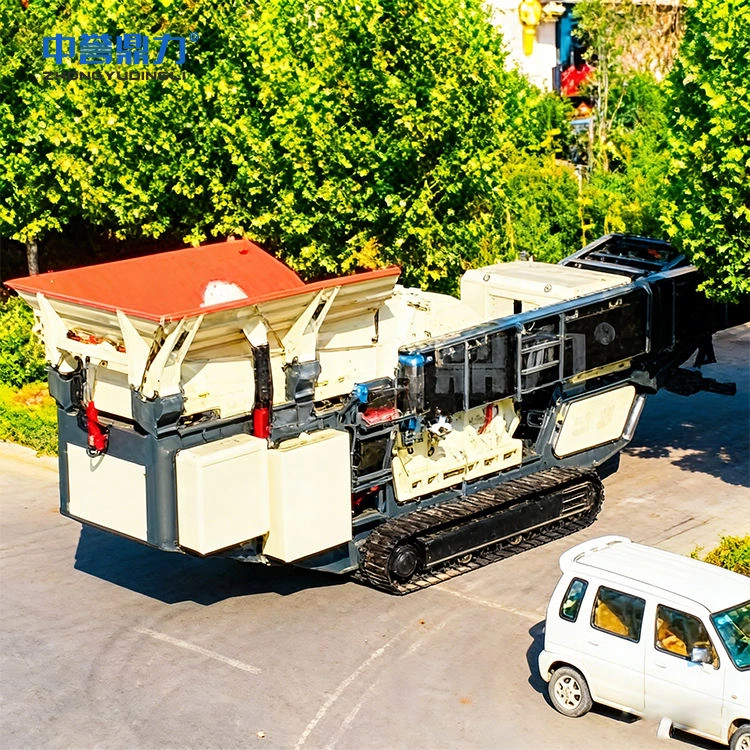
Mobile crushing systems deliver measurable improvements in workplace safety, emissions reduction, and process oversight—by relocating crushing activities to the material source rather than relying on centralized, truck-dependent processing.
62% Fewer Heavy Vehicle Trips — Zhengzhou Quarry Impact
At China’s Zhengzhou quarry, mobile crushers reduced heavy vehicle trips by 62% (2024 industry data). Fewer trucks mean lower collision risk for ground crews, reduced diesel particulate exposure near work zones, and 24% less fuel consumption across the project lifecycle — directly improving both worksite safety and Scope 1 emissions performance.
Balancing Urban Noise Concerns Against Carbon and Air Quality Benefits
Local processing plants can cut down on carbon dioxide and other pollutants by hundreds of tons each year for every unit installed, but cities still need to deal with noise issues when setting these up. The smart way to go is installing them with built-in sound dampening features so they don't lose their green benefits while keeping neighborhoods peaceful. Most operators stick to running during business hours, set up temporary noise walls when needed, and place equipment at least 50 feet from homes or schools. Cities across the country have successfully implemented this approach, showing it's possible to reduce emissions and still get along with local communities.
Project Flexibility and Scalability Across Dynamic Crushing Scenarios
The construction industry needs flexibility, and that's where mobile crushers really shine. These machines can be moved from one job site to another within just a few hours instead of taking weeks to relocate traditional setups. They handle all sorts of materials too - think about smashing through old concrete in crowded city centers versus breaking down fresh rock at distant quarry locations. What makes them so useful? Well, there's no need for special groundwork or building permanent structures around them. Workers simply tweak things like how much material goes into the machine, change screens as needed, and adjust the crusher itself when conditions shift. Rock gets harder than expected? No problem. Got an unexpected surge of material coming in? Just make quick adjustments on site. Contractors love this because they can switch their focus effortlessly between different projects using exactly the same equipment fleet. The result? Less wasted time waiting for machinery to arrive, better use of existing assets, and operations that stay relevant even as new challenges pop up on construction sites everywhere.
Sustainability Alignment: Waste Diversion, Lower Carbon Footprint, and LEED Support
Accelerating LEED v4.1 Credits Through On-Site Processing
Mobile crushing really helps the environment because it keeps demolition waste out of landfills and cuts down on those transportation emissions. When material gets crushed right where it falls apart, we avoid all those long trips with diesel trucks. This means less air pollution from tiny particles floating around and saves fuel money too. Plus, this approach actually earns points under the LEED green building program for how well projects handle their construction waste and incorporate recycled materials. The process turns broken concrete and debris back into usable aggregate right there on site, which makes sense for any project looking to reduce environmental impact without breaking the bank.
- Reduce demand for virgin extraction
- Meet waste diversion benchmarks with verifiable, auditable data
- Achieve up to 9% asset value uplift from green certification
This closed-loop model turns disposal liabilities into certified resources—making carbon neutrality commitments operationally tangible, not just aspirational.
FAQ Section
What are the main benefits of using mobile crushers on construction sites?
Mobile crushers help accelerate project timelines, optimize costs, improve safety, and enhance sustainability by processing material on-site, reducing transportation and disposal expenses, and facilitating in-field recycling.
How do mobile crushers improve time efficiency?
By processing materials directly at the job site, mobile crushers eliminate off-site logistics and delays, enhance material flow integration, and increase labor efficiency, which can lead to a significant reduction in project cycle time.
Can mobile crushers support LEED certification efforts?
Yes, mobile crushers contribute to LEED certification by reducing waste sent to landfills, cutting down on emissions from transportation, and reusing materials, all of which align with sustainability benchmarks.
Are mobile crushers suitable for urban environments?
While they do raise noise concerns, mobile crushers can be adapted for urban use with sound dampening features, operational adjustments, and strategic placement to balance noise impact with environmental benefits.
Table of Contents
- Time Efficiency: Accelerating Project Timelines with Mobile Crushers
- Cost Optimization: Cutting Transportation, Labor, and Disposal Expenses with Mobile Crushers
- Safety, Emissions, and Operational Control Gains from Mobile Crushers
- Project Flexibility and Scalability Across Dynamic Crushing Scenarios
- Sustainability Alignment: Waste Diversion, Lower Carbon Footprint, and LEED Support
- FAQ Section