
 EN
EN
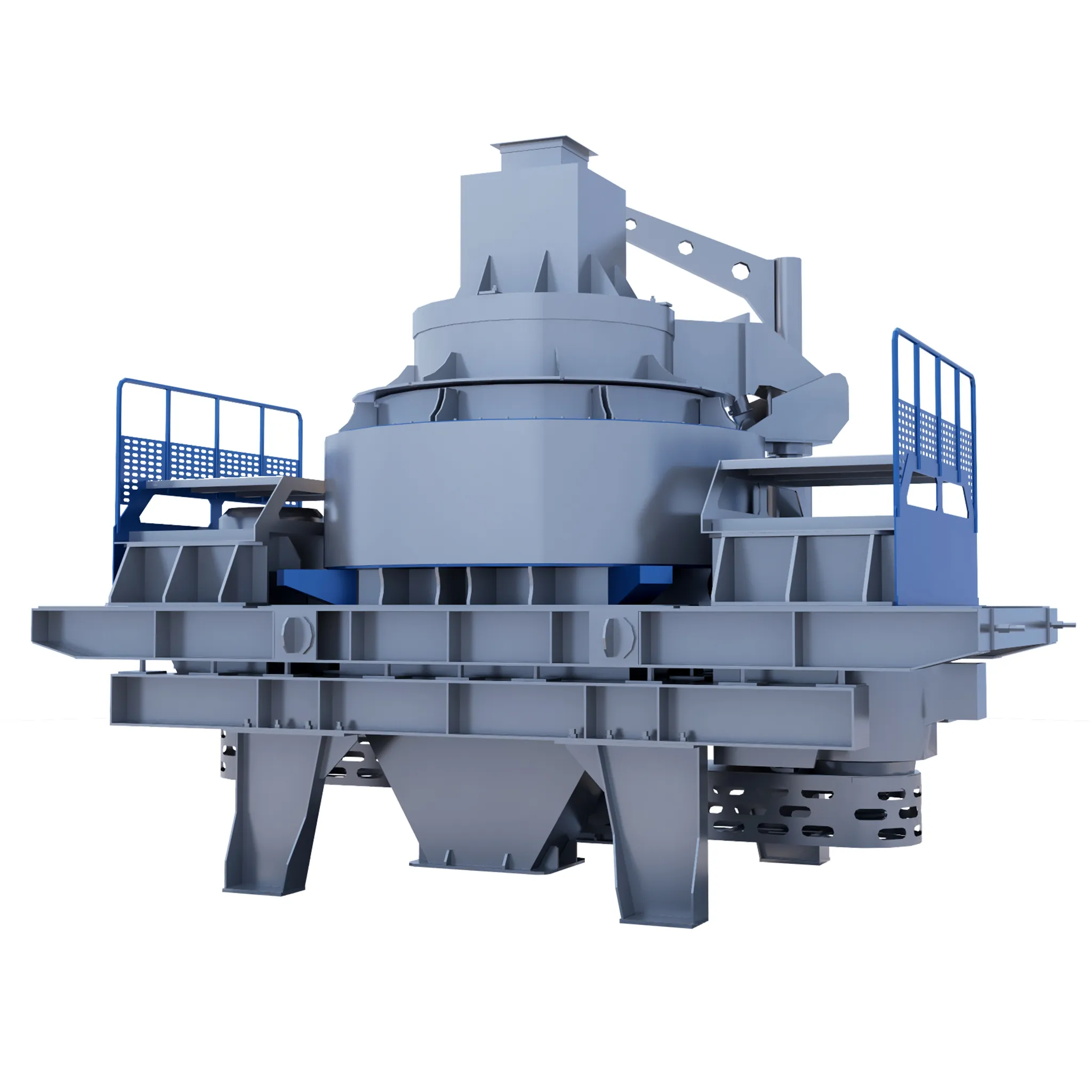
How Sand Making Machines Shape High-Quality Manufactured Sand
VSI Sand Making Machines: Precision Particle Shaping and Gradation Control for Premium Sand
VSI Sand Making Machines, also known as Vertical Shaft Impact machines, rely on centrifugal force combined with rock-on-rock action to create those nice, cube-shaped particles with minimal flakiness. These characteristics are really important when it comes to getting good results from concrete mixtures and compacting asphalt properly. Operators can adjust things like rotor speeds and how materials cascade within the machine to get just the right amount of fine material below 75 microns while keeping everything within the standards set by ASTM C33 specifications. Modern VSI equipment now comes equipped with monitoring systems that keep track of what's happening inside in real time. According to data from the National Ready Mixed Concrete Association published last year, this kind of oversight reduces unnecessary processing by around 18% compared to older techniques. The end result? No more weird shaped grains messing up structural integrity which is why engineers across construction sites prefer VSI technology for critical projects such as building bridges and laying down foundations for tall buildings where quality matters most.
HSI vs VSI: Comparing Angularity, Moisture Tolerance, and Energy Efficiency in Sand Making Machine Performance
When selecting crushing technology, three interrelated performance dimensions guide decision-making:
| Parameter | HSI Crushers | VSI Crushers |
|---|---|---|
| Particle Angularity | Moderate sphericity | Superior cubical shaping |
| Moisture Tolerance | Higher (up to 6% content) | Lower (requires <4%) |
| Energy Efficiency | 22–27 kWh/ton | 18–23 kWh/ton |
HSI crushers handle wet feed materials pretty well, though they do create more elongated grain shapes compared to other options. The VSI units give much better angular particles with less fines in the mix, plus they save around 15 to 20 percent on energy costs when working with hard rock formations. That's why many operators go for HSI setups in areas with lots of humidity where controlling feed moisture becomes a real headache. Meanwhile, VSI technology has become standard equipment for producing top quality concrete sand since the actual shape of those particles makes all the difference in how strong and durable the final product turns out. Testing different raw materials before production starts is absolutely critical work. Crystalline rock behaves completely differently from regular limestone or old river gravel deposits, so choosing the right crusher type really depends on what kind of rock we're dealing with and exactly what the finished product needs to accomplish.
Selecting the Right Sand Making Machine for Your Production Requirements
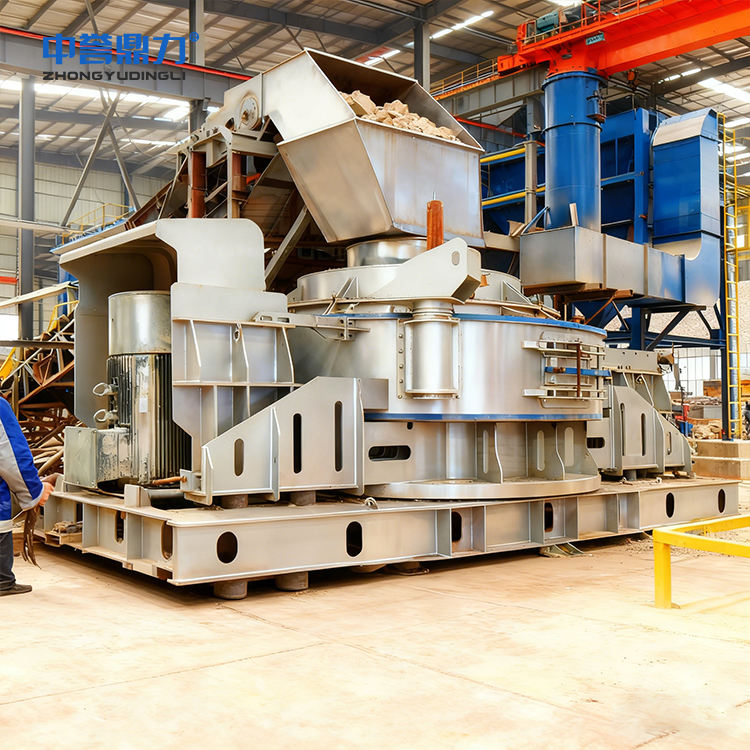
Matching Machine Type to Raw Material Properties (Hardness, Moisture, Feed Size)
What kind of raw materials we're dealing with really makes all the difference when choosing the right sand making machine. Take those tough, scratchy rocks like granite that score over 6 on the Mohs scale. These materials work best with VSI crushers since they smash the rocks against each other, producing nice uniform cube-shaped particles and keeping wear down. On the flip side, if there's more than 5% moisture in the feedstock, HSI crushers run into trouble because their open rotor design gets clogged easily. Size matters too. VSI machines handle smaller stuff under 50mm pretty well, but HSIs can take bigger chunks up to 150mm without needing any pre-screening first. When operators pair the wrong equipment with certain materials, it can drive up maintenance costs for liners and rotors by around 40%. That finding comes from recent studies in aggregate processing published last year.
Balancing Capacity, Fineness Modulus, and Particle Shape Control in Equipment Selection
Choosing the right equipment involves balancing several factors including how much material needs to be processed, the accuracy of particle size distribution (often measured through fineness modulus or FM), and maintaining good particle shape quality. High volume concrete sand operations above 150 tons per hour typically rely on VSI crushers which can hit FM readings around 2.6 to 3.0 while keeping flaky particles below 10%. That meets what most specs demand for structural concrete applications. For situations where angular particles matter most, like in asphalt bases, HSI crushers give better angular characteristics even though they create more fine particles as a tradeoff. The energy picture looks different too. According to recent mineral processing data from 2024, VSI systems actually use about 15 to 20 percent less electricity per ton when making properly graded sand. If tight tolerances are required, say an FM variation no greater than plus or minus 0.2 or flakiness staying under 8%, then look beyond just the stated capacity numbers. Machines equipped with real time feedback systems and a track record of consistent particle shapes tend to perform better in these demanding scenarios.
Integrating Sand Making Machines into End-to-End Manufactured Sand Production Systems
Optimizing Layout with Primary Crushers, Screening, and Washing for Consistent Gradation and Fines Management
Getting good results across the whole system starts with how everything gets laid out properly. Primary crushers take care of breaking down the raw quarry rock into something that works well with the sand making machine, which helps prevent overload issues and keeps the impact energy levels steady throughout operation. After the sand maker does its job, screening comes right after to catch those bigger pieces that need to go back through again. This setup stops us from crushing too much stuff unnecessarily while keeping our desired gradation intact. Then there's the washing process, where we get rid of all those tiny particles smaller than about 75 microns. This step matters a lot because it affects how strong the final concrete will be and how quickly it sets up. These days, many washing systems have moisture sensors built in along with adjustable speed dewatering options so operators can save water without messing up the particle distribution. When plants design their operations to be compact and integrated, they end up with fewer places where materials have to move around between equipment. This approach actually protects the shape of the particles better and cuts down on those extra handling costs that eat into profits. Plants that manage to keep their fineness modulus variation below 15% tend to waste about 30% less material overall, plus see real improvements in how resistant their concrete is to water penetration and just generally lasts longer before needing repairs.
FAQ
What is the difference between HSI and VSI crushers?
HSI crushers are suitable for wet materials and provide moderate sphericity, while VSI crushers produce superior cubical shaping with lower moisture tolerance but higher energy efficiency.
Why is particle shape important in sand production?
Particle shape influences the strength and durability of the final product, impacting structural integrity in critical projects like bridges and buildings.
How does material hardness affect machine selection?
Material hardness influences the choice of sand making machine; harder materials like granite favor VSI crushers, while materials with higher moisture content might necessitate HSI crushers.
What are VSI Sand Making Machine?
VSI sand making machine are Vertical Shaft Impact machines used for shaping and controlling the particle size of sand, producing cube-shaped particles with minimal flakiness, ideal for concrete and asphalt.