
 EN
EN
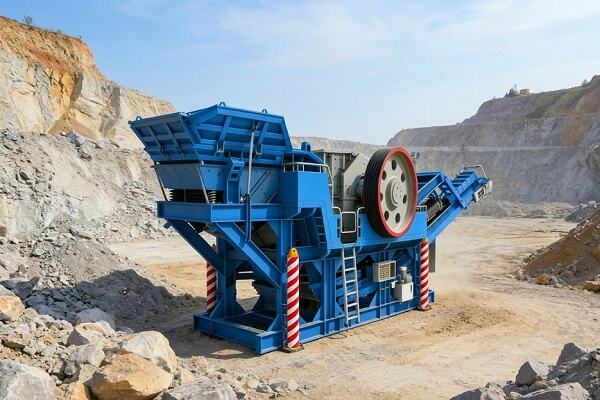
Jaw crushers are essential machines in mining, quarrying, and aggregate production plants. As the primary crushing equipment, they are responsible for processing large rocks and raw materials into smaller sizes for further crushing and screening.
Proper installation of a jaw crusher is critical to ensuring stable operation, maximizing productivity, and extending equipment lifespan. This guide explains the key steps and considerations for installing a jaw crusher in a crushing plant.
Why Proper Installation Matters
Incorrect installation can lead to equipment vibration, reduced crushing efficiency, excessive wear, and unexpected downtime. Proper installation helps achieve:
Stable machine performance
Higher production efficiency
Lower maintenance costs
Improved operational safety
Longer equipment service life
For large-scale aggregate and mining projects, professional installation is especially important because jaw crushers operate under heavy loads and demanding conditions.
Pre-Installation Preparation
Before installing the jaw crusher, several preparations should be completed.
Site Inspection
The installation site should be carefully inspected to ensure it meets the design requirements. The ground must be stable enough to support the weight and vibration of the equipment.
Factors to consider include:
Foundation strength
Space for maintenance access
Material flow direction
Power supply availability
Drainage and environmental conditions
Equipment Inspection
Before assembly, inspect all components to confirm there is no damage during transportation. Check important parts such as:
Jaw plates
Bearings
Eccentric shaft
Motor
Flywheel
Toggle plate
Any damaged components should be repaired or replaced before installation begins.
Foundation Preparation
The concrete foundation must be constructed according to the equipment drawings provided by the manufacturer. Accurate foundation dimensions are essential for maintaining machine stability.
Anchor bolts should be positioned correctly in advance to avoid alignment issues during installation.
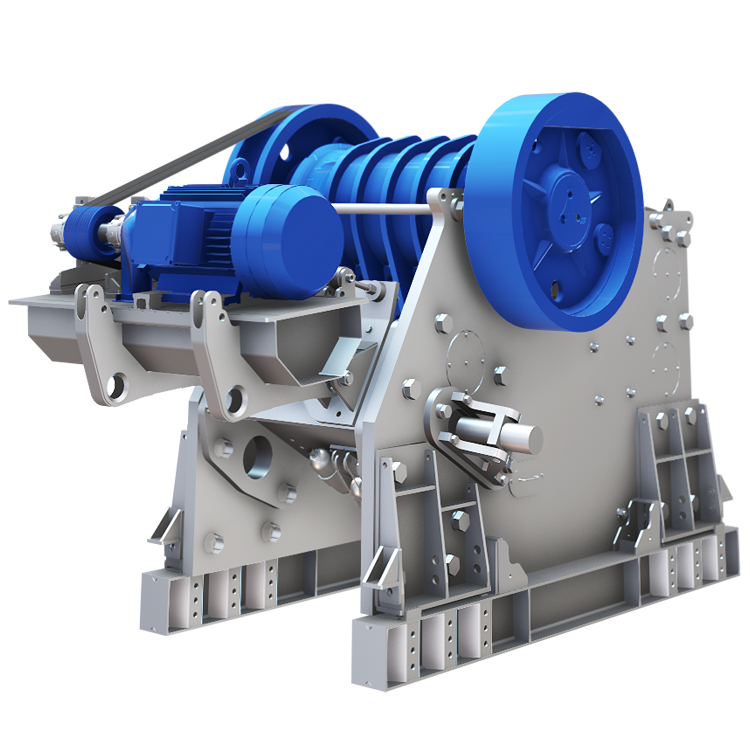
Step-by-Step Jaw Crusher Installation
Step 1: Positioning the Crusher
Use lifting equipment to carefully place the jaw crusher onto the foundation. Ensure the machine is positioned according to the plant layout design.
Proper alignment is important because incorrect positioning may affect downstream equipment such as conveyors and vibrating screens.
Step 2: Leveling the Machine
After positioning, the crusher must be leveled precisely. Uneven installation can create excessive vibration and uneven wear on components.
Use precision measuring tools to check horizontal alignment in multiple directions.
Steel shims or adjustment plates can be used to achieve accurate leveling.
Step 3: Securing the Anchor Bolts
Once the crusher is properly aligned and leveled, tighten the anchor bolts gradually. The bolts should be tightened evenly to avoid stress concentration on the frame.
After tightening, grout is usually poured beneath the base to improve stability and vibration resistance.
Step 4: Installing the Motor and Drive System
The electric motor is connected to the jaw crusher through belts and pulleys. During installation, ensure:
Correct pulley alignment
Proper belt tension
Stable motor base positioning
Improper belt tension can reduce transmission efficiency and increase wear.
Step 5: Lubrication System Installation
A reliable lubrication system is essential for protecting bearings and moving parts.
Before startup:
Fill bearings with recommended lubricants
Check oil pipelines
Verify lubrication flow
Ensure there are no leaks
Good lubrication significantly extends equipment lifespan and reduces maintenance frequency.
Step 6: Electrical System Connection
The electrical control system should be installed by qualified technicians. Modern crushing plants often use intelligent automation systems for monitoring and control.
The system should include:
Motor protection devices
Emergency stop functions
Overload protection
Remote monitoring capabilities
Step 7: Trial Operation
Before full production begins, conduct a trial run without load.
During the test operation, inspect:
Vibration levels
Bearing temperature
Noise conditions
Motor current
Lubrication performance
If everything operates normally, gradually introduce materials and begin load testing.
Common Installation Mistakes to Avoid
Poor Foundation Quality
Weak foundations may cause machine instability and structural damage over time.
Incorrect Alignment
Misalignment between the motor and crusher can increase energy consumption and reduce equipment lifespan.
Insufficient Lubrication
Lack of proper lubrication can lead to bearing overheating and premature failure.
Ignoring Safety Requirements
Safety guards, emergency stop systems, and proper maintenance access must never be overlooked during installation.
Maintenance Tips After Installation
Even after successful installation, regular maintenance is necessary to ensure long-term performance.
Important maintenance practices include:
Regular inspection of jaw plates
Checking belt tension
Monitoring bearing temperature
Replacing worn parts promptly
Keeping the lubrication system clean
Routine maintenance minimizes downtime and improves production efficiency.
Conclusion
Proper jaw crusher installation is essential for ensuring stable operation, reducing maintenance costs, and maximizing production efficiency in crushing plants.
By following correct installation procedures and using professional technical support, operators can significantly improve equipment performance and reliability.
From equipment manufacturing to complete aggregate plant construction, Zhongyu Dingli helps customers build efficient, safe, and sustainable crushing operations worldwide.