
 EN
EN
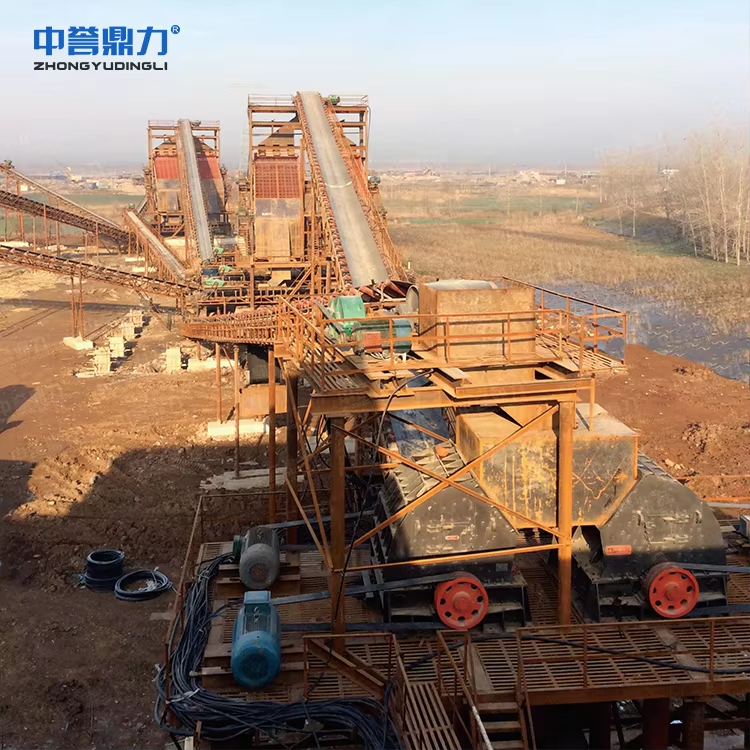
Define Project Requirements about Crushing Plant: Capacity, Material Properties, and Site Constraints
Getting the project scope right from the start is essential when designing an efficient crushing plant. First things first, figure out what kind of daily output needs to be achieved versus what might actually come through the system. Seasonal changes in volume or materials that break down inconsistently will definitely affect which equipment gets chosen for the job. Material analysis matters too. If the rock has a compressive strength above 150 MPa, then heavy duty primary crushers such as reinforced jaw units become necessary. Materials with high abrasion levels, say over 20% silica content, require special wear resistant liners and parts that can handle impacts better. Missing any of these details leads to problems down the road including parts wearing out faster than expected, unexpected shutdowns, and expensive repairs later on.
Aligning throughput targets with feed variability, compressive strength (150 MPa), and abrasiveness to select robust primary crushing solutions
The type of material being processed really determines how well a primary crusher will perform. When dealing with tough, scratchy igneous rocks that have compressive strengths between 180 and 250 MPa, deep chamber jaw crushers with manganese steel jaws tend to work best because they create better grip points and maintain good crushing efficiency over time. For softer materials like limestone with strengths around 80 to 120 MPa, lighter duty options such as gyratory or impact crushers might be sufficient, though only when the material isn't too abrasive. It's important to check that the crusher size matches what it needs to handle. Too small an inlet leads to blockages, whereas going bigger than needed just costs extra money and takes up unnecessary space. Don't forget about temporary storage either. A properly designed hopper with at least 30 minutes worth of material can help smooth out loading interruptions without overwhelming the screening equipment further down the line.
Evaluating gradation, moisture content, and clay content to mitigate screen blinding, belt slippage, and downstream processing bottlenecks
What kind of material we're dealing with really makes a difference in how things go during processing. When there's too much fine material under 5 mm mixed with moisture over 8%, it tends to stick together and block screening surfaces. The fix? Go with polyurethane panels or those high frequency screens that can handle the mess better. For clay heavy materials where the plasticity index hits above 15%, we usually need to do some pre screening or run them through log washers first. Otherwise belts start slipping and conveyors get loaded down with stuff they shouldn't be carrying. Getting those secondary crusher settings right matters a lot for the final product size. Tightening up the closed side settings on cone crushers gives better shaped products but watch out because it also means more material gets sent back for reprocessing. Finding that sweet spot between different factors helps keep everything moving smoothly without causing problems later on when we need to sort or store the finished product.
Design the Crushing Plant Layout for Optimal Material Flow and Operational Efficiency
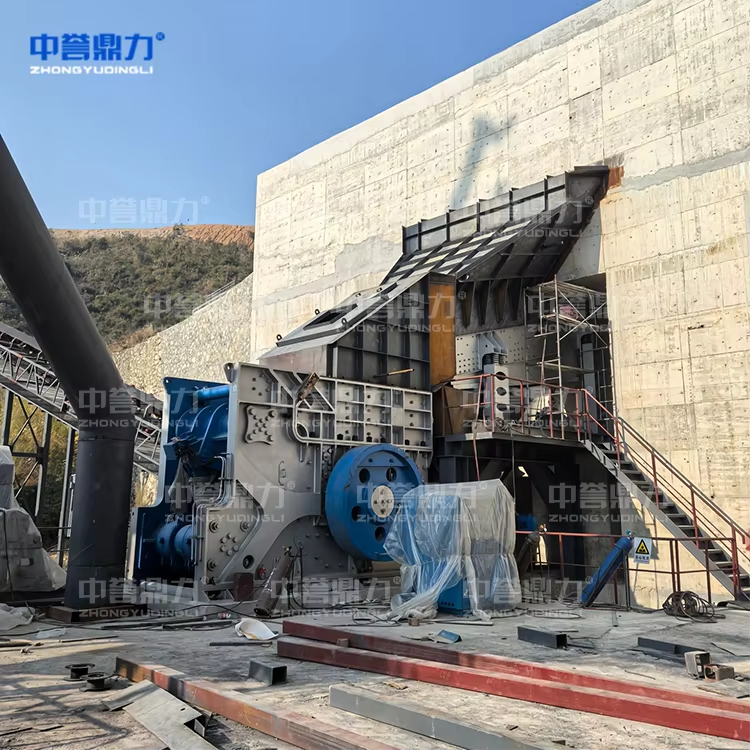
Leveraging gravity-assisted conveyance and minimized lift points to cut energy use by up to 12%
Good plant design often focuses on letting materials move by gravity instead of relying so much on mechanical lifting systems, which can really cut down on energy costs. When we place crushing units at progressively lower points in the facility, it means conveyors don't have to work as hard against gravity. The Henan Zhongyu Dingli facility saw around a 12% drop in annual energy use after making this change. What's great about this method is that production stays steady while getting rid of those extra vertical moves that just wear out parts faster. Getting the slopes right between different processing stages makes everything flow smoothly without blockages or messy spills. Plants also benefit from lighter motor workloads and fewer carbon emissions for every ton they process through these layout improvements.
Reducing transfer points, optimizing chute angles (¥55°), and integrating dust suppression to lower maintenance downtime and emissions
Getting material moving smoothly means cutting down on those conveyor transfer junctions where dust gets loose and stuff gets damaged from impacts. Keeping chutes at least 55 degrees angle stops materials from piling up which leads to blockages and wears out belts faster, plus it helps things move out faster when they exit. Dust control systems placed right after crushers and at transfer spots can bring down airborne particles by around 35 to 50 percent, research shows. The combination of these methods really cuts back on how often maintenance is needed, probably saving about 20% in unexpected downtime too. Plus it keeps everything within the rules set by environmental agencies like EPA Method 201A and standards from ISO 16000-7. Less transfers mean less wear on materials themselves and saves money on cleanups from spills throughout the system.
Select and Sequence Crushers by Stage: Jaw, Cone, and Impact for Target Product Gradation
Primary stage: Jaw crusher sizing based on feed opening, P80 reduction ratio, and duty-cycle reliability for high-abrasion feeds
When dealing with really tough, abrasive materials that have over 150 MPa compressive strength, nothing beats the reliability of jaw crushers for primary crushing operations. Getting the right size crusher means making sure the feed opening matches what kind of lumps will be coming in. Most operators find that keeping feed material at around 80% of the gape dimension works best it stops clogging issues while still getting good throughput rates. Looking at the P80 reduction ratio helps determine which machine makes sense. Basically, this measures how much the input particle size gets reduced so that 80% of the output passes through a certain screen size. Machines handling higher reduction ratios need stronger internal mechanics and those special manganese jaw plates that last longer. For duty cycles where equipment needs to run continuously, manufacturers focus on components like heavy duty bearings, systems for adjusting tension hydraulically, and alloy parts resistant to wear. These features help equipment handle those silica rich feeds better, and field data shows plants can cut down on unexpected shutdowns by about 22% when they invest in properly sized units rather than going cheap.
Secondary/tertiary stage: Cone crusher vs. horizontal shaft impact (HSI) — balancing fines content, shape quality, and wear cost in final product
The secondary and tertiary crushing stages are where aggregates get refined down to their exact specs. Cone crushers do a great job creating those nice cubical shaped particles with not too many fines - usually under 15% below 4mm size. These are perfect for premium concrete mixes, but they come at a price since the liners wear out faster when dealing with really gritty materials. Horizontal shaft impactors, or HSIs as we call them, give better shape correction and can handle bigger reductions in material size. The downside? They tend to make about 10 to 30 percent more fines compared to cones. For materials that aren't too rough on equipment, HSIs actually cost around 40% less per ton in wear parts than cone crushers. But watch out when feeding materials with an abrasiveness index above 0.6 - that's when the cost advantage disappears. Choosing between these options really depends on what kind of material needs crushing and how much money the operation wants to spend on maintenance.
- Particle shape requirements (cones for cubicity, HSI for angularity)
- Fines tolerance (HSI for low-spec fills, cones for premium mixes)
- Total cost of ownership (balancing wear parts, energy, and maintenance)
FAQ
How can material flow and operational efficiency be optimized in a crushing plant?
To optimize material flow and efficiency, leveraging gravity-assisted conveyance, minimizing lift points, reducing transfer points, and optimizing chute angles are effective strategies. These changes can reduce energy use, maintenance downtime, and emissions, resulting in cost savings.
What's the difference between cone crushers and horizontal shaft impactors?
Cone crushers are ideal for creating cubical particles and achieving premium concrete mixes, but they have a higher wear rate for gritty materials. In contrast, horizontal shaft impactors offer better shape correction and handle larger reductions in size, costing less in wear parts but generating more fines.
What should I consider when designing a crushing plant?
When designing a crushing plant, it's crucial to define project requirements accurately, including capacity, material properties, and site constraints. Factors such as daily output needs, material compressive strength, and abrasiveness must be considered to select the right equipment and prevent future problems.