
 EN
EN
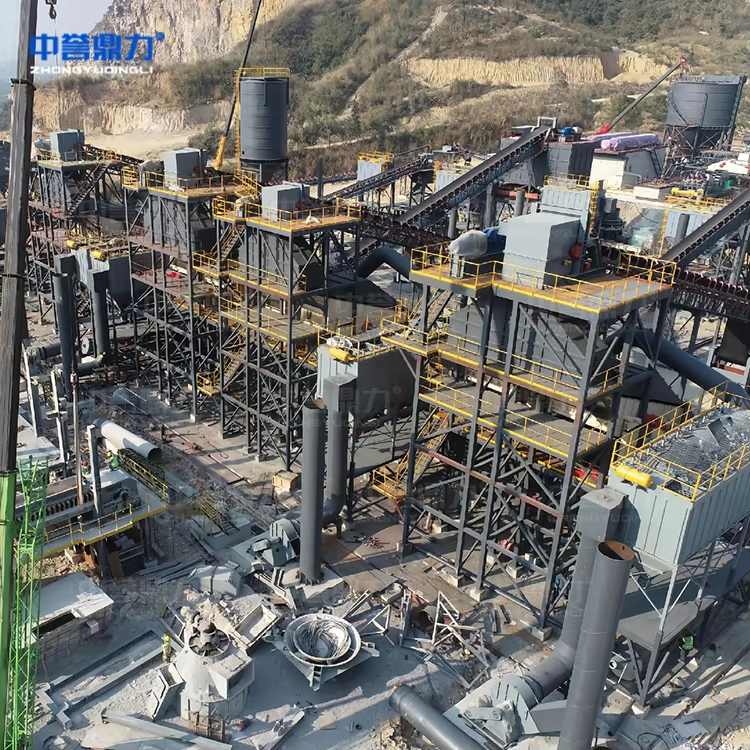
Why Rock Type Dictates Crushing Plant Design
Mohs Hardness, Abrasiveness, and Fracture Behavior: Limestone vs. Granite vs. Basalt
The type of rock being processed plays a major role in how crushing plants are designed. Take limestone for instance, which has a hardness rating between 3 and 4 on the Mohs scale. It tends to break along those clean calcite lines and isn't really that abrasive overall. Granite tells a different story entirely. With a Mohs rating around 6 to 7, this rock's tough because of all those quartz and feldspar crystals locked together, so it needs some serious compression force to crush properly. Basalt comes next at about 5 to 6 on the hardness scale. While not quite as hard as granite, basalt wears down equipment fast thanks to its rough texture and those distinctive columnar fracture patterns. Getting the right equipment matters a lot here. Plants that don't match their rock types with appropriate crushers typically see liners lasting only 40 to 60 percent as long as they should, while also burning through 25 to 35 percent more energy according to industry data from Aimix in 2025.
| Rock Type | Mohs Hardness | Abrasiveness | Fracture Behavior |
|---|---|---|---|
| Limestone | 3–4 | Low–Moderate | Cleavage Planes |
| Granite | 6–7 | High | Interlocking Crystals |
| Basalt | 5–6 | Very High | Columnar Fracturing |
How Material Properties Directly Impact Crusher Selection and Wear Life
What kind of material we're dealing with goes way beyond simple hardness ratings when it comes to picking the right crusher for the job. Jaw crushers work great with granite because they can handle those tough compression forces, but watch out for basalt since it really wears down components fast. Cone crushers give us nice uniform particle sizes for granite and regular limestone, though they tend to create too many fine particles when fed softer, stickier limestone varieties. Vertical shaft impactors (VSIs) are fantastic at producing well-shaped cubic particles from basalt, but these machines struggle badly with wet or clay-covered limestone feeds that clog them up. Getting this matching right between rock types and crusher tech means liners last anywhere from 8 to 12 extra months in service, plus there's around a 30% drop in material that needs reprocessing according to recent studies in P&Q Magazine. Most top equipment makers now recommend using special manganese and chromium alloy parts for jobs involving high silica content rocks. These tougher components cut down on how often replacements are needed, which makes all the difference in long term operational costs.
Optimizing the Crushing Plant Flow for Mixed-Hardness Feed
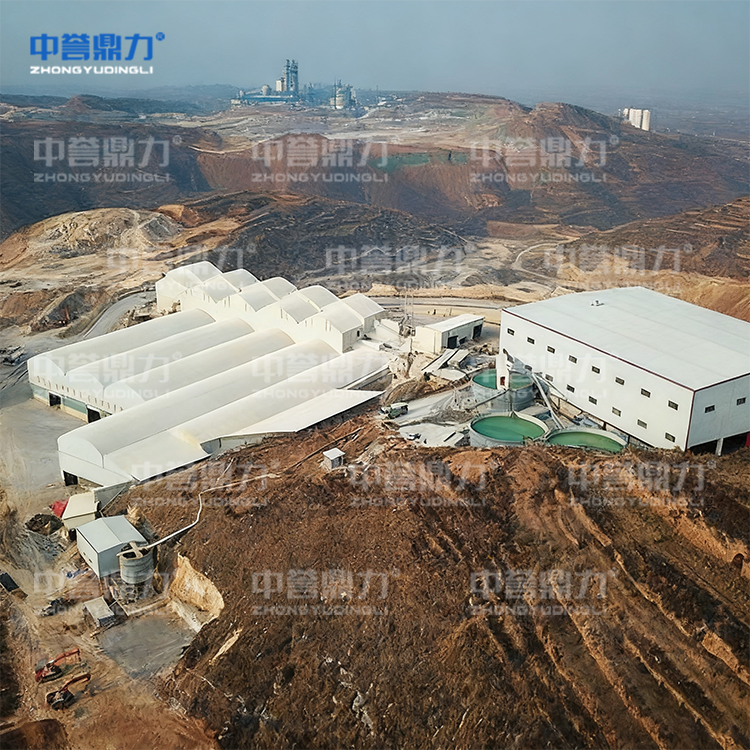
Stage-Wise Configuration: Jaw (Primary), Cone (Secondary), VSI (Tertiary) for Consistent Gradation
The best setup for handling mixed hardness materials typically follows a three stage process: jaw first, then cone, and finally VSI. The primary jaw crusher handles big chunks of material measuring up to 1500mm and breaks them down to around 200-300mm pieces through compression. This works well even when dealing with different types of rock hardness without slowing things down much. Next comes the secondary cone crusher which further reduces the size to between 20-50mm. Operators can tweak the settings here to get better control over the shape of the output while still managing wear issues on both granite and basalt. For the final step, tertiary VSI crushing gets us down to the desired 5-20mm range with excellent particle shape characteristics. When rocks hit each other during this process, we see over 95% cubic shapes in basalt and significantly fewer long, flat particles from granite. This whole sequence keeps the gradation consistent throughout production runs and helps avoid slowdowns at critical points. Facilities that implement this multi-stage approach often find their jaw crushers running at 80-85% capacity even when processing tough, abrasive materials. Plus, they generally achieve about 30% better shape quality compared to plants relying on just one type of crusher.
Crushing Plant Equipment Selection by Application and Output Requirement
Jaw Crushers for High-Capacity Primary Reduction of All Three Rock Types
Jaw crushers work really well for breaking down materials like limestone, granite, and basalt because they apply strong compression forces within their specially designed chambers. These machines can process over 1,000 tons per hour, which matters a lot when dealing with variable conditions at quarries where rock sizes change constantly. When working with granite specifically, using hardened manganese plates instead of regular ones makes them last about 35% longer according to what most operators report from experience. The dual toggle design keeps things running smoothly with consistent 6 to 1 reduction rates, something that's important if we need reliable material flow into secondary equipment like cones or VSIs later on. Maintenance stays simple too since basically all that needs replacing happens around every 1,500 hours of operation. There aren't any complicated hydraulic systems or rotating parts involved either, so downtime gets kept to a minimum while keeping operations straightforward even during peak production periods.
Cone vs. VSI Crushers: When to Choose for Shape, Fines Control, and Basalt-Specific Efficiency
Crusher selection at secondary and tertiary stages hinges on end-product specifications:
- Cone crushers are optimal for producing ASTM C33-compliant, uniformly cubical aggregates from limestone and granite. Their inter-particle compression limits fines to <15%, supports tight 20–50 mm gradations, and allows real-time adjustment for changing feed conditions.
- VSI crushers are unmatched for shaping brittle, abrasive materials like basalt. Rock-on-rock impact achieves 95% cubicity and <10% elongated particles—key for premium asphalt and rail ballast applications. Modern rotor tuning and cascading flow controls restrict microfines to ≈8% without throughput loss, while energy use drops 22% versus older impactor designs. Field data from rail ballast plants confirm >98% production efficiency when VSI rotor velocity is calibrated specifically for basalt's fracture response.
Designing a Scalable, Low-Maintenance Crushing Plant
Modular components are key when thinking about scalability. Think bolt-on secondary cones or those plug and play screening decks that let operators expand capacity without tearing everything apart and starting over from scratch. Maintenance becomes easier when parts are accessible. Quick change jaw plates, cone liners that can be reached from the front, plus centralized lubrication spots cut down on service time around 30 percent according to field reports. The right materials matter too. Abrasion resistant alloys work wonders in tough conditions. Mn18Cr2 handles basalt pretty well while Mn14 does the job for granite applications. Simplified hydraulic systems especially in cone crushers and VSI units also boost reliability where things get really rough. All these smart design decisions help keep costs down over time and maintain steady performance no matter what material comes through the line, be it gentle limestone or something as harsh as basalt that wears equipment down fast.
FAQs
Why is it important to match crusher types with rock types?
Matching crusher types with appropriate rock types ensures optimal crusher performance, prolongs the lifespan of components, and reduces energy consumption.
Which crusher types are ideal for handling harder rocks like granite?
Jaw crushers are ideal for granite as they handle strong compression forces well, while cone crushers can also produce uniformly cubical aggregates from granite.
How does crushing plant design vary with different rocks?
The design varies based on rock hardness, abrasiveness, and fracture behavior. Each rock type necessitates different equipment settings and operational strategies for efficient processing.