
 EN
EN
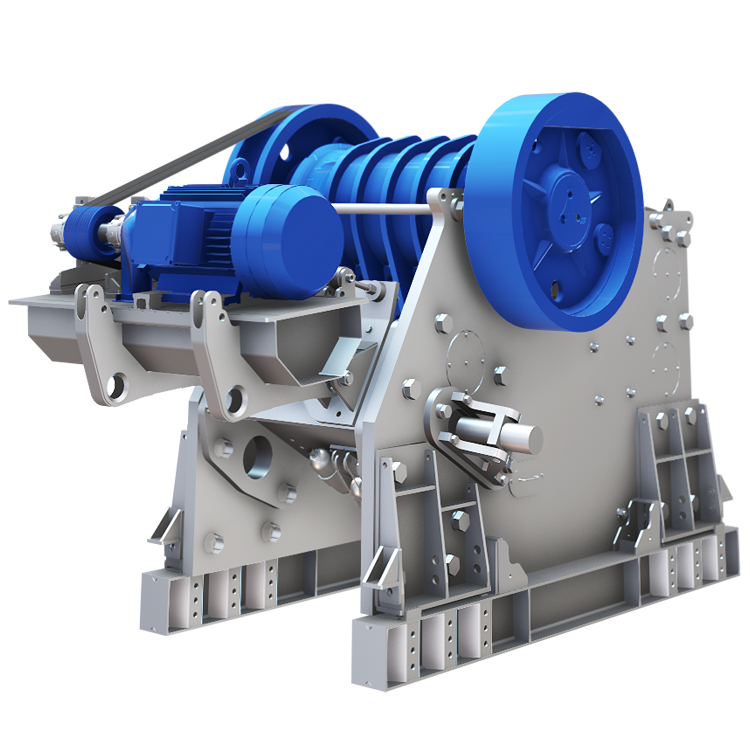
Understanding 200 TPH Jaw Crusher Capacity in Context
How Feed Characteristics—Size, Hardness, and Moisture—Affect Real-World Jaw Crusher Throughput
A jaw crusher’s rated 200 tons per hour (TPH) capacity assumes ideal feed conditions—uniformly sized, dry material of moderate hardness like limestone. In practice, real-world throughput typically falls 25–35% short of nameplate ratings due to three interrelated variables:
- Feed size distribution: Oversized blocks exceeding the crusher’s intake dimensions cause jamming and operational pauses.
- Rock hardness: Abrasive igneous rocks (e.g., granite) accelerate jaw plate wear, reducing throughput by up to 30% compared to softer materials like limestone.
- Moisture content: Sticky, wet clay adheres to crushing chambers, increasing cycle times and requiring manual clearing—especially when moisture exceeds 8%.
Why 200 TPH Represents a Strategic Mid-Scale Benchmark for Limestone and Medium-Hard Rock Quarries
For quarries processing 500–800 TPH total, a 200 TPH jaw crusher delivers optimal cost efficiency. This capacity aligns with:
- Resource scalability: Medium-hard deposits (≤ 250 MPa compressive strength) enable consistent crushing without premature wear.
- Downstream synergy: Matches common secondary cone crusher inputs (≤ 250 mm feed size), supporting balanced, high-efficiency production lines.
- Economic viability: Processes ~1.5 million tons annually—sufficient to supply regional concrete plants while minimizing idle time during maintenance windows.
Bridging the Gap: Nameplate vs. Actual Jaw Crusher Performance
Quantifying Throughput Loss: The 25–35% Efficiency Gap in Field Operations
The numbers don't lie when it comes to crusher performance gaps. Most plants see their actual output fall short of what's printed on the spec sheet by around 25 to 35%. Why this happens has less to do with broken machines and more with how materials behave in real conditions. When feed sizes vary unpredictably, the effective crushing space drops about 15 to 20%. Wet materials stick together and slow things down too. Then there are all those little operational hiccups that nobody plans for – feeders running at different speeds one day to the next, unexpected shutdowns during shifts. These issues typically eat away another 10 to 15% of potential production. And let's not forget about rock type differences. Crushers working with tough stuff like granite or basalt wear out their parts three times faster compared to softer limestone operations. This means throughput keeps dropping steadily as time goes on unless something changes.
Key Operational Levers to Maximize Jaw Crusher Output
Optimizing three variables recaptures lost capacity:
| Operational Lever | Impact on Throughput | Optimization Threshold |
|---|---|---|
| CSS (Closed Side Setting) | ±12% per mm adjustment | Keep 90% of feed size <1.5× CSS |
| Eccentric Speed | 7–10% gain per 100 RPM increase | Max 280 RPM for most rock types |
| Feed Uniformity | Eliminates 15–20% pulsation loss | <30% void space in crushing chamber |
Getting the CSS settings just right stops big chunks from slipping through while keeping the product size consistent. When we crank up the eccentric speed, it does boost how often things get crushed, but going too fast wears out parts faster than anyone wants. Keeping feed rates steady matters a lot. We do this by screening materials first with grizzlies and controlling how fast stuff comes into the machine. This approach keeps the chamber full and cuts down on those sudden power surges by around 40 percent. Watching cavity levels closely makes all the difference. If someone notices something off balance and fixes it within half an hour or so, they usually hit about 95% of what the system should be doing at peak performance.
When 200 TPH Falls Short: Scalability Limits and System-Level Constraints
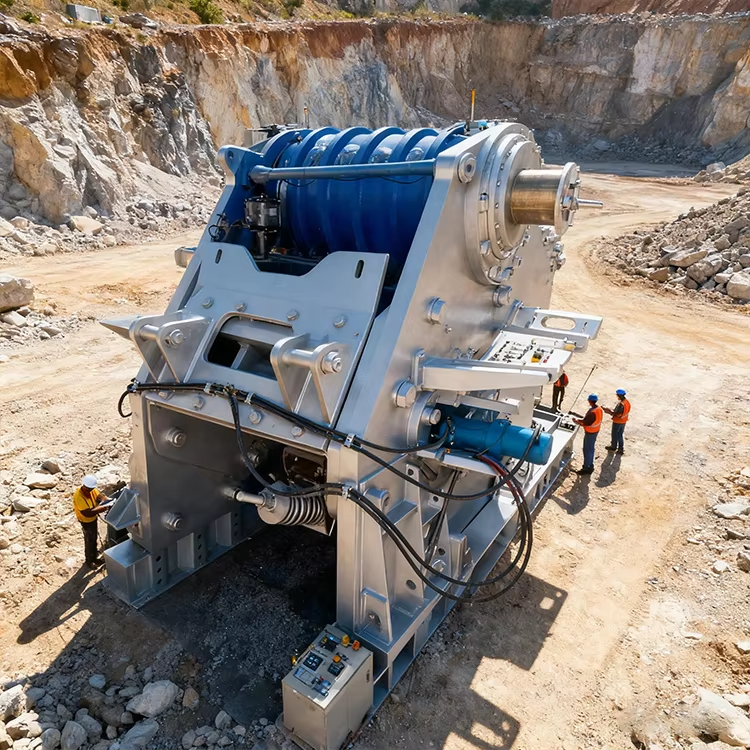
Critical Thresholds: How Quarry Growth, Blasting Variability, and Downstream Processing Expose Single-Jaw Bottlenecks
Most jaw crushers rated at around 200 tons per hour actually run closer to 160 TPH because of all sorts of variables in the feed material. The real world just doesn't match up with specs on paper. Big problems start happening when feed chunks get too large, sometimes over 800 mm across, which leads to constant shutdowns to clear jams. And then there's the issue with blasting in layered rock formations where fragmentation isn't consistent at all, causing uneven flow rates that leave downstream screening operations waiting for material. Once daily processing needs climb past 1,500 tons, these limitations really show themselves. Conveyors back up and secondary milling units end up sitting idle instead of working. Maintenance issues make things worse too. Jaw plates tend to wear down about 30 percent quicker when dealing with abrasive materials, and this results in roughly 15 to 20 percent less output during those busy production periods.
Scalable Alternatives: Modular Jaw Crusher Trains and Hybrid Primary Crushing Configurations
Progressive quarries have found ways around the limitations of single jaw crushers by setting up parallel modular systems in stages. They often run two 150 TPH units together with smart load sharing technology that balances the workload automatically. The result? These setups can handle around 280 TPH when demand spikes, plus they allow for maintenance on one unit without stopping the whole operation entirely. Another approach combines a primary jaw crusher with a secondary gyratory unit, which gets rid of those pesky recirculation loads. This hybrid method actually improves system efficiency from about 68% for standalone jaws up to roughly 85%. When dealing with ores that vary in hardness across different pits, many operations turn to skid mounted modules because they can be moved quickly between sites, slashing changeover times by as much as 70%. Most importantly, these multi unit configurations generally produce between 40 and 70 percent more throughput compared to traditional single jaw systems, all while keeping capital costs similar.
Making the Right Jaw Crusher Investment: A Practical Selection Framework
Picking out the right jaw crusher means looking at what works best for the materials being processed on site along with production goals. Feed size matters a lot actually oversized stuff really cuts down on how much can be crushed per hour. Rock abrasiveness also plays a big role since it wears down parts faster and increases maintenance expenses. Mid sized quarries aiming for around 200 tons per hour should look for machines with adjustable CSS settings and strong eccentric shafts that can handle different rock hardness levels and moisture content variations. Flexibility during operation becomes important too many operators prefer crushers with hydraulic adjustments so they can change settings quickly between production runs and keep the output consistent. Don't forget about what happens after crushing either check if the discharge from the crusher matches up with screens and secondary crushers to avoid getting stuck somewhere in the process. Some newer models come equipped with monitoring systems that track things like chamber pressure and power usage, giving operators better control over day to day operations. When making decisions, it pays to weigh initial costs against long term expenses considering things like energy bills, how often liners need replacing, and overall equipment uptime these factors together give the best return on investment for running a sustainable quarry operation.
FAQ
What is the ideal condition for a 200 TPH jaw crusher to achieve optimal capacity?
The ideal conditions for a 200 TPH jaw crusher involve uniformly sized, dry material of moderate hardness, like limestone. This helps in achieving the rated capacity effectively.
Why might the actual throughput of a crusher fall short of its rated capacity?
Actual throughput can fall short due to oversized feed material, higher rock hardness, and increased moisture content which leads to operational inefficiencies and cycle delays.
How do modular jaw crusher systems improve scalability?
Modular systems allow for parallel operation and smart load sharing, which increases scalability, handles peak demands better, and allows maintenance without halting operations.
What are some key operational levers to maximize jaw crusher output?
Optimizing the Closed Side Setting (CSS), adjusting eccentric speed, and maintaining feed uniformity are key levers that can significantly increase jaw crusher output.