
 EN
EN
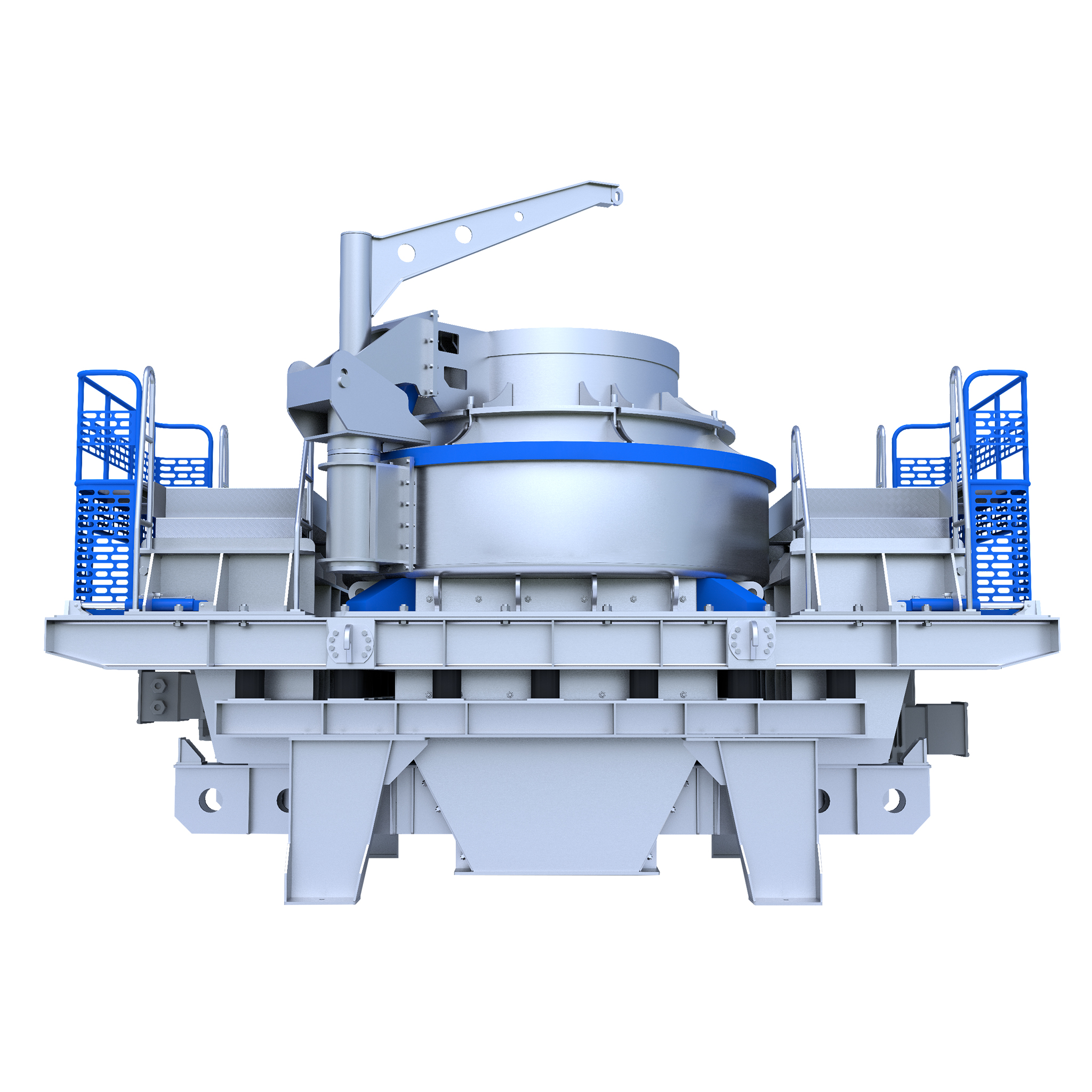
The Evolution of Modular Plant Design in Aggregates
In the modern sand and gravel sector, the lifespan of a quarry is closely tied to local reserve limits, environmental leases, and shifting regional infrastructure demands. Historically, setting up a wet or dry sand making plant meant committing to permanent concrete foundations, extensive structural welding, and months of civil engineering. When the local deposit ran dry or a major highway project concluded, contractors faced a grim reality: abandoning millions of dollars in structural steel and concrete, or spending a fortune to cut and scrap the existing framework. Based on over thirty years of field experience in heavy-duty aggregate production, the shift toward a modular sand making plant is not just a technological trend; it is an economic survival mechanism. Today, operators require production lines that can quickly pack up and migrate to a new raw material source without losing structural integrity or performance capacity.
The Engineering Secrets of Quick Disassembly and Reassembly
The defining characteristic of a truly modular sand making plant lies in its mechanical connections and structural design. Rather than relying on site-welded steel girders, modern modular systems utilize precision-engineered, bolt-connected steel platform segments. These systems are designed with customized, heavy-duty structural steel frames that do not require deep concrete foundations. Instead, they sit on simplified flat concrete slabs or integrated steel skids, drastically reducing site preparation times. Electrical wiring is another area where modular engineering shines; instead of complex field wiring, systems use plug-and-play IP67-rated quick connectors and prefabricated cable trays. This means entire electrical and control networks can be disconnected and reconnected within hours rather than weeks.
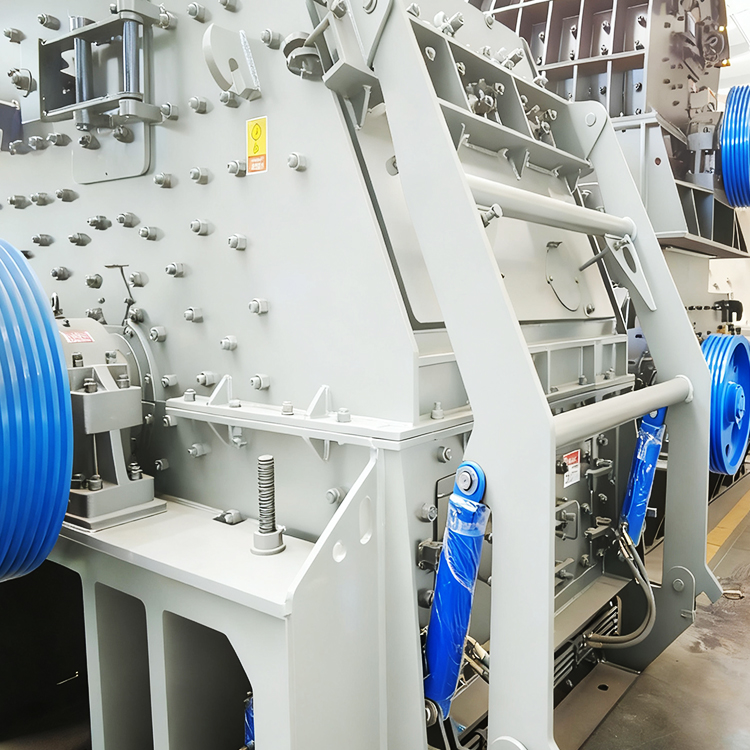
Table 1: Technical Comparison of Traditional vs. Modular Sand Making Plants
| Feature/Metric | Traditional Concrete & Welded Plant | Modular Skid-Mounted Plant |
| Foundation Requirement | Deep reinforced concrete piles (requires weeks of curing) | Simplified flat concrete slabs or heavy steel skids |
| On-site Structural Joinery | High-intensity manual welding and cutting | Precision high-tensile bolt connections |
| Electrical Installation | Hard-wired onsite cabling and customized conduit routing | Prefabricated cable trays with IP67 quick-plugs |
| Disassembly Duration (1000 t/h) | 30 to 45 days (often causes structural damage) | 5 to 7 days (zero structural loss) |
| Salvage & Reuse Value | Less than 40% (steel is scrapped, concrete is lost) | Over 95% (all structural modules are preserved) |
Cross-Region Logistics and Seamless Transportation Mechanics
Transferring heavy aggregate machinery across regional borders presents massive logistical hurdles. Standard road freight regulations strictly monitor cargo weight, height, and width, and obtaining permits for oversized loads can delay a project for weeks. Advanced modular designs overcome this challenge by ensuring that every block—whether it is the primary crushing platform, the screening tower, or the sand washer—conforms to standard sea container or flat-rack dimensions. During disassembly, the plant is split into logical, self-contained transport units. For instance, in complex, mountainous terrains where moving heavy machinery is notoriously difficult, having skid-mounted modules allows standard low-boy trailers to load, transport, and unload the entire line using standard rental cranes, avoiding expensive transport delays.
Economic and ROI Analysis of Modular Sand Production
From a financial perspective, heavy machinery is only profitable when it is actively running. Leading aggregate industry analysts frequently point out that the real cost of relocating a plant is not the physical logistics, but the opportunity cost of down-time. A traditional crushing and sand-making setup can keep capital locked up for three to six months during a relocation. In contrast, a modular sand making plant can be fully operational at a new site in less than a month. This rapid turnaround ensures continuous cash flow and allows operators to bid on short-term municipal projects that were previously deemed unprofitable due to high mobilization costs.
Table 2: Relocation Cost Savings Analysis (Based on a 1000 TPH Production Line)
| Expense Category | Traditional Relocation Cost (USD) | Modular Relocation Cost (USD) | Savings Percentage |
| Civil Works & Curing | $120,000 | $25,000 | 79.1% |
| On-site Labor & Welding | $85,000 | $15,000 | 82.3% |
| Heavy Crane Rentals | $60,000 | $20,000 | 66.7% |
| Structural Loss & Scrap | $95,000 | $5,000 | 94.7% |
| Production Downtime Value | $450,000 (90 Days) | $75,000 (15 Days) | 83.3% |
| Total Estimated Savings | $810,000 | $140,000 | 82.7% |
Operational Integrity and Lifespan Under Continuous Vibration
A common concern among quarry owners is whether a bolt-connected, modular frame can withstand the intense, high-frequency vibrations generated by heavy-duty sand making equipment like VSI crushers and vibrating screens. To address this challenge, structural engineers apply advanced finite element analysis (FEA) to design dynamic dampening mounts. High-strength alloy bolts, treated with anti-loosening thread locks, ensure that structural connections remain tight under constant stress. Heavy steel columns are strategically positioned to absorb and distribute kinetic energy directly into the ground skids. This careful mechanical balancing prevents metal fatigue and structural warping, ensuring that the plant operates with the same high level of precision and noise control on its fifth project site as it did on its first.
Partnering for High-Yield Aggregate Success
Building a highly efficient sand making plant that combines heavy-duty durability with quick mobility requires deep manufacturing expertise. For decades, Zhongyu Dingli has been at the forefront of the aggregate and mining machinery industry, specializing in complete 100-6000 TPH sand and gravel production lines. By integrating intelligent control systems with robust, steel-structured modular designs, the manufacturer ensures that heavy equipment is not only easy to transport and quick to install, but also built to comply with strict global environmental standards. Backed by extensive manufacturing yards, reliable wear-resistant alloy production, and comprehensive EPC project lifecycle management, the team delivers optimized crushing and sand-making solutions that help global operators maintain a highly flexible, profitable, and future-proof mining footprint.