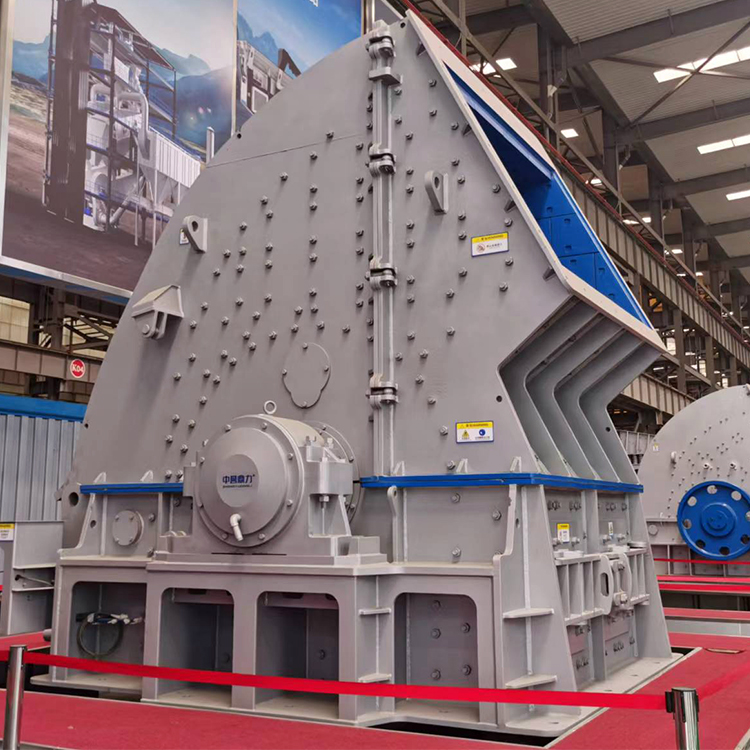
Industrial Large Hammer Crusher for Mining & Quarrying
Large Hammer Crusher – High-Capacity Crushing for Mining, Quarrying, and Cement
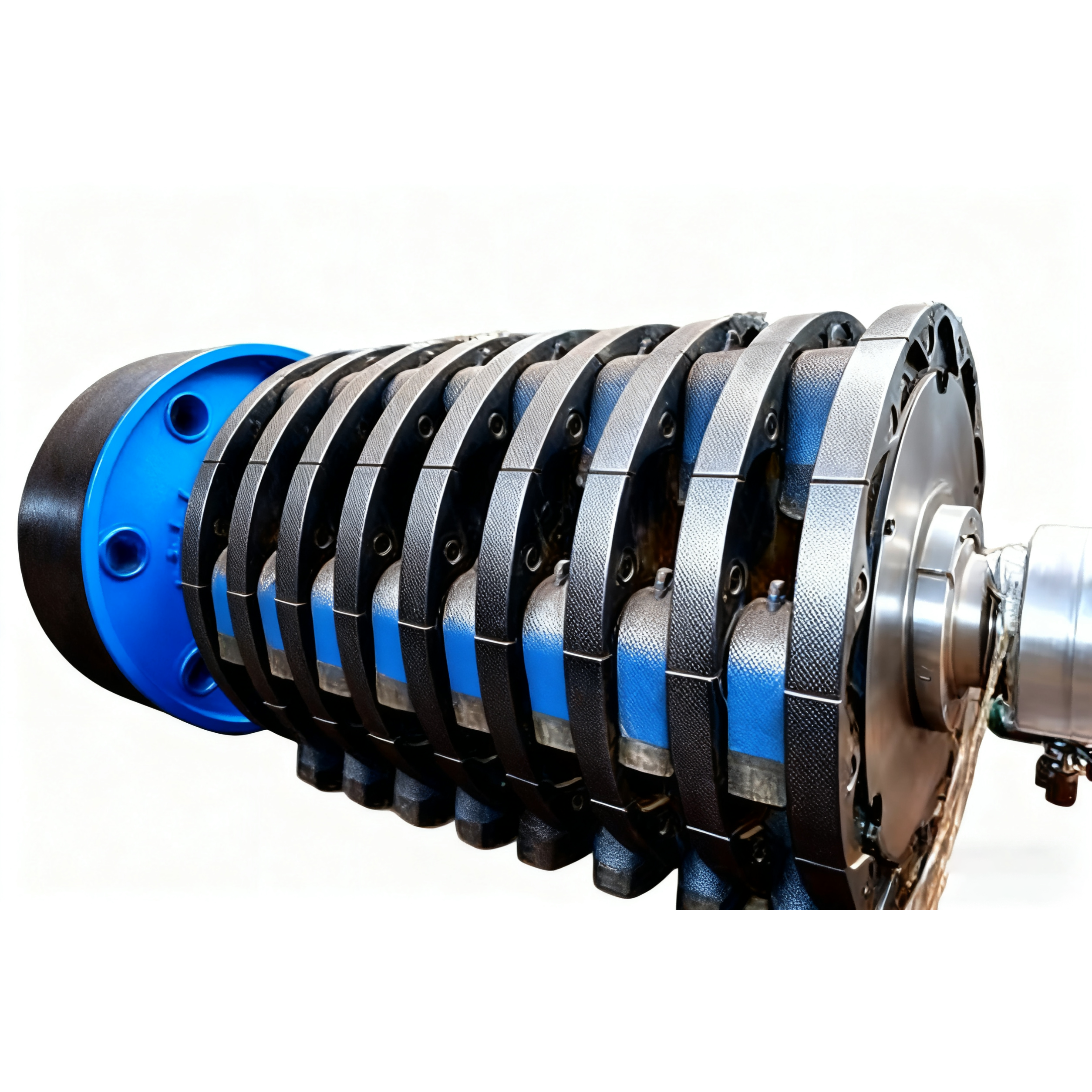
Our large hammer crusher is designed for high-capacity crushing in mining, quarrying and cement production. It is equipped with a large mass rotor and oversize grate bars, and can continuously produce output of 150-800 t/h. It is equipped with a large feed opening to receive feed lumps up to 1200 mm. It generates a product size which is suitable for further processing, road base, and preparation of cement raw material.
Robust Design, Low Maintenance, Long-Term Reliability
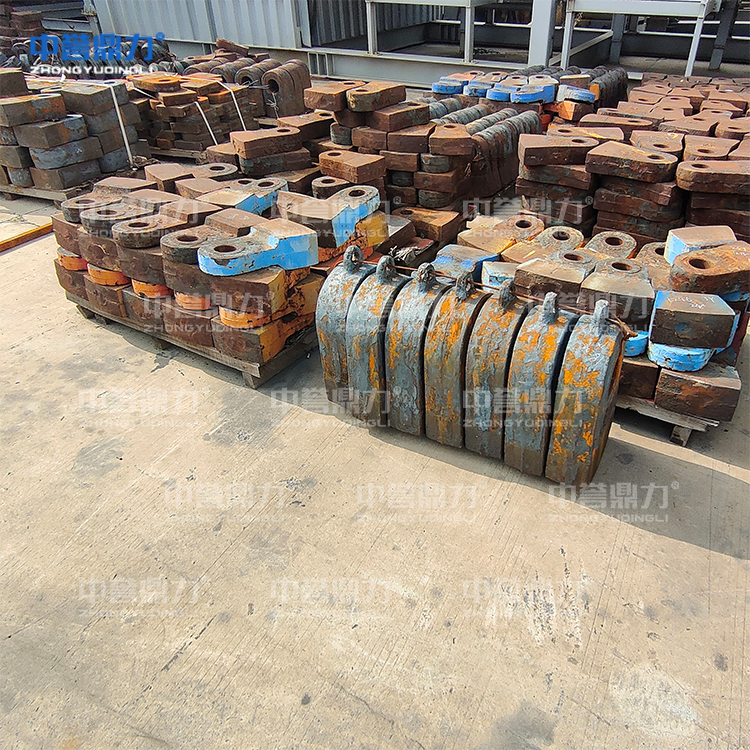
The crusher is built from high-grade, wear resistant steel, and the rotor is dynamically balanced. This results in stable and vibration free operation even during continuous heavy load operation.
Get A Quote

 EN