
 EN
EN
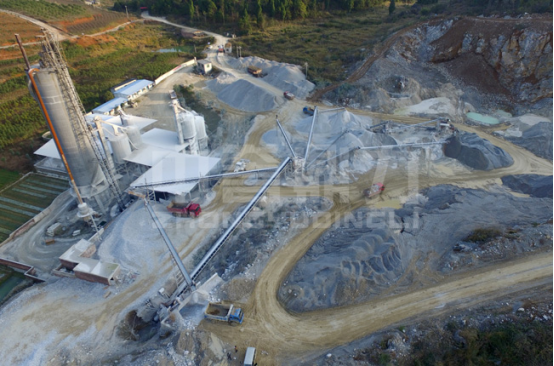
Evaluate Technical Expertise and Life-Cycle Support
Installation, Commissioning, and End-of-Service Support Capabilities
When looking for a stone crusher supplier, it's really important to check out how comprehensive their technical support actually is across all stages. Getting the installation wrong can shorten the life of a crusher by around 40 percent, but when companies take time to properly commission equipment, they often see maintenance expenses drop somewhere around 35%. Look for suppliers who provide full lifecycle guidance from initial design checks right through to taking machines offline, and steer clear of those with tight service agreements that limit flexibility. Make sure potential partners know how to run Failure Mode and Effects Analysis on individual parts as well as entire systems so that durability goals aren't just guesses but based on real data that can be tracked back later. The best suppliers will tailor solutions specifically for each site situation. For instance, matching vibrating feeders correctly with primary crushers helps avoid production line jams that waste time and money. After purchase, don't forget to ask about what happens when components become obsolete. Good suppliers should have clear plans for disposing of old parts responsibly and straightforward ways to get some value back from scrap materials once equipment reaches the end of its useful life.
Response Times for Field Service, Spare Parts Availability, and Rental Options
Keeping operations running smoothly really comes down to how fast a company can respond when things go wrong. The best suppliers promise technicians on site within a day if something breaks down completely, and they usually keep at least 9 out of 10 needed spare parts in stock for those components that wear out fastest, like jaw plates and cone mantles. When looking at potential vendors, check where exactly they store all these replacement parts. Plants near regional warehouses face about half the downtime risks compared to companies relying solely on central storage facilities. For especially valuable equipment or projects with tight deadlines, it pays to look into renting backup crushers. This approach prevents complete shutdowns while waiting for repairs. Industry data from NAPA shows plants with good emergency plans typically stay online 18 to 22 percent more days per year than those without. Don't forget to ask for actual success stories from other customers before signing any service contracts.
Align Crusher Type with Your Aggregate Production Requirements
Matching Feed Size, Moisture Content, and Desired Output Grade to Hammer, Jaw, or Cone Crushers
The choice of crusher makes all the difference in how well operations run and what kind of product comes out the other end. Jaw crushers are great for handling big chunks of material, usually anything over half a meter across, and they produce rough outputs that work well for initial breaking down. When dealing with wetter materials that have more than about 8% moisture content, hammer crushers tend to be better because they break things apart with impacts rather than compression, which helps avoid getting stuck and creates more consistent aggregate shapes. Cone crushers fall somewhere in between, offering good control over the size range of the crushed material. Their adjustable settings become really important when making specific sizes needed for applications like road construction bases that require particles between roughly 20 to 40 millimeters.
| Production Factor | Jaw Crusher Advantage | Cone Crusher Fit | Hammer Crusher Strength |
|---|---|---|---|
| Feed Size | 500 mm raw material | 200–500 mm pre-crushed | <200 mm fragmented feed |
| Moisture Tolerance | Low (≤5%) | Medium (≤8%) | High (≤15%) |
| Output Gradation | Coarse (RIP-RAP) | Medium (concrete aggregate) | Fine (asphalt/sand substitute) |
Good suppliers don't just sell machines; they actually take time to look at what kind of material is coming in and what size end product needs to come out before suggesting equipment options. Take asphalt plants needing around 200 tons per hour of properly sized limestone for instance. These setups usually run best when we pair cone crushers with those vibrating feeders that keep things moving smoothly through the system. On the flip side, when dealing with all sorts of mixed concrete waste from demolition sites, hammer crushers tend to give better results because they handle irregular shapes and sizes without getting bogged down. The numbers matter too though. Remember to check those reduction ratios against what the operation actually needs over time. Jaw crushers do about 6:1, cones hit roughly 8:1, and hammers can go up to 15:1. Getting these right makes all the difference between a system that works today and one that keeps working month after month.
Apply Data-Driven Crusher Selection Criteria
Throughput Capacity, Reduction Ratio, and Wear Resistance for Long-Term Reliability
When choosing crushing equipment, there are three main factors that need careful numerical evaluation. The throughput capacity measured in tons per hour should actually be set about 15 to 20 percent higher than what peak production requires because different materials vary so much in their characteristics. According to industry data, roughly one third of early equipment failure comes down to simply picking something too small for the job, which causes problems like hydraulic strain and belt slippage issues. How much the crusher reduces particle size matters a lot too for what happens next in processing. Cone crushers that manage a 6:1 reduction ratio cut down on recirculation workloads by about 30% when compared to standard 4:1 jaw units. If dealing with tough stuff like granite or basalt, check how long the wear parts last before needing replacement. Manganese jaws that can handle over 800 operating hours really cut down on how often replacements are needed and saves money in the long run. Look for models featuring stress optimized rotors and those special laser hardened liners. These features tend to extend maintenance intervals quite a bit, with industry reports showing around a 40% improvement in time between breakdowns according to recent aggregate industry standards.
Vibrating Feeder Integration and Its Impact on Line Uptime and Consistency
When feeders and crushers work together properly, they can save money by avoiding those frustrating production bottlenecks that eat into profits. The grizzly type vibrating feeders with their adjustable stroke controls help keep material flowing evenly through the system. This prevents those annoying bridge formations and stops hammer crushers from getting overloaded. Some actual field data from limestone quarries tells us something interesting about these systems. Plants using PLC synchronized feeders report around 92% uptime compared to only 74% when workers have to manually manage everything. Want fewer blockages? Try installing variable frequency drives (VFDs) on those feeders. They let operators tweak the amplitude as moisture levels change in materials like sand and gravel. One operation saw blockage problems cut in half after making this upgrade. Choosing feeders with liners that resist wear matching what the crusher experiences makes sense too. It keeps unexpected maintenance downtime at bay and maintains consistent product quality across batches. And don't forget about those high precision vibration motors running under 4mm amplitude. These little details matter because they stop particles from separating out, which is crucial for meeting those tight specifications required in concrete mixes and asphalt applications.
Verify Proven Reliability of the Stone Crusher Supplier
Unplanned downtime in aggregate production costs operations over $740,000 annually, according to the Ponemon Institute (2023), making supplier reliability non-negotiable. Verify capabilities through these critical steps:
- Demand third-party production audits, including quality control systems and machinery maintenance records
- Test equipment under load conditions onsite to validate crushing efficiency and wear resistance
- Confirm spare parts inventory levels for critical components like mantles and breaker plates
Prioritize suppliers demonstrating ≥95% documented uptime across comparable projects. This due diligence ensures sustained throughput capacity and prevents costly disruptions in your aggregate production line.
FAQs on Stone Crusher Supplier Evaluation
Why is technical expertise crucial when selecting a stone crusher supplier?
Technical expertise ensures comprehensive support throughout the crusher's lifecycle, from installation to end-of-life disposal, reducing the risk of premature failures and maintenance costs.
How important is spare parts availability?
Spare parts availability is critical for minimizing downtime. Suppliers with a high stock percentage of necessary components ensure quicker repairs and sustained operations.
What crusher type should be considered for varying moisture content?
Hammer crushers are well-suited for materials with high moisture content, while jaw and cone crushers are more effective with lower moisture levels.
How does vibrating feeder integration enhance production efficiency?
Proper integration of vibrating feeders ensures consistent material flow, reducing bottlenecks and avoiding overloads in crushing systems.
What factors contribute to the reliability of a stone crusher supplier?
Reliability factors include third-party audits, equipment testing under load conditions, and maintaining accurate spare parts inventories for critical components.
Table of Contents
- Evaluate Technical Expertise and Life-Cycle Support
- Align Crusher Type with Your Aggregate Production Requirements
- Apply Data-Driven Crusher Selection Criteria
- Verify Proven Reliability of the Stone Crusher Supplier
-
FAQs on Stone Crusher Supplier Evaluation
- Why is technical expertise crucial when selecting a stone crusher supplier?
- How important is spare parts availability?
- What crusher type should be considered for varying moisture content?
- How does vibrating feeder integration enhance production efficiency?
- What factors contribute to the reliability of a stone crusher supplier?