
 EN
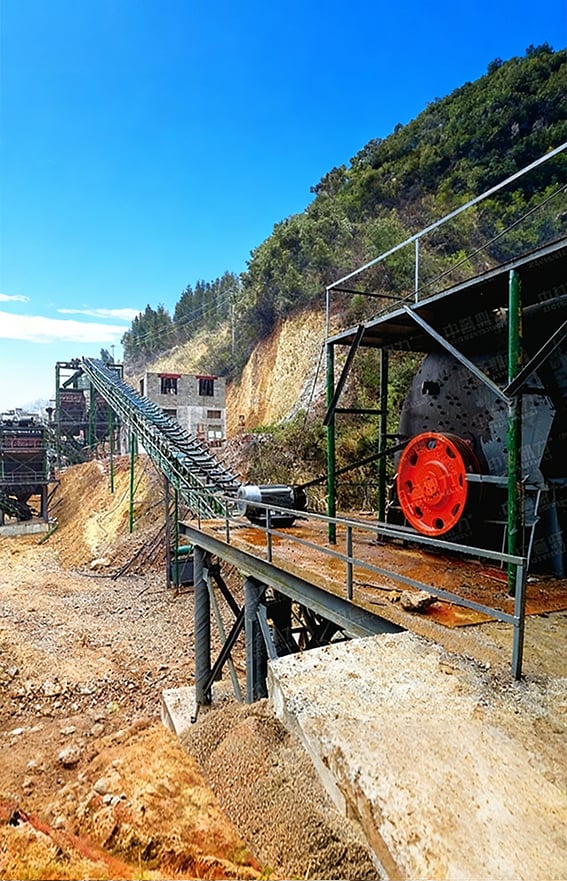
Why Steel Structure Aggregate Plants Excel at Scalable Expansion
Modular Design and Prefabricated Components Enable Phased Capacity Growth
Steel structure aggregate plants are inherently expansion-ready. Their primary framing, conveyor support towers, screen towers, and crusher decks are built from modular, prefabricated components—unlike monolithic concrete structures. This modularity allows bays to be added endwise or vertically without demolishing existing process lines. Bolted connections enable individual sections to be unbolted, extended, and reconnected, supporting phased capacity growth as demand rises.
Clear spans exceeding 30 meters eliminate internal columns, freeing up floor space for new screens, crushers, and storage bins—and simplifying integration of larger material handling equipment. Because most components arrive cut, drilled, and ready to erect, retrofit costs and downtime are significantly reduced. Offsite fabrication under controlled conditions improves dimensional accuracy and minimizes field fit-up issues.
A plant can begin with a single primary crushing module and later add secondary and tertiary modules, conveyors, and reclaim tunnels in planned stages. Procurement and engineering data from earlier phases can be reused, shortening design timelines and reducing fabrication errors. This approach preserves initial capital while keeping the path to higher throughput open.
Speed, Precision, and Reconfigurability: Core Steel Advantages for Brownfield Upgrades
Brownfield upgrades demand minimal interference with live operations—and steel delivers. Prefabrication and CNC-cut members arrive on-site ready for rapid bolted assembly, cutting construction time by 20–50% compared with stick-built methods (SmartMarket Report 2011). Controlled shop fabrication ensures dimensional accuracy, enabling seamless integration with existing columns, beams, grid lines, conveyor elevations, and hopper supports—without extensive field welding or rework.
Reconfigurability is equally critical: steel members can be temporarily braced, removed, or strengthened to accommodate heavier vibrating screens, larger bins, or upgraded crushers. Unlike concrete, bolted steel connections are reversible—so future expansions don’t require demolition. The high strength-to-weight ratio also reduces dead load on existing foundations, lowering the cost and risk of tying into an operating plant. These attributes make steel the preferred choice for incremental upgrades—whether adding a screen tower, replacing a crusher support, or extending a radial stacker.
Foundational and Structural Planning for Future Steel Structure Aggregate Plant Expansion
For a steel structure aggregate plant, expansion without demolition starts underground. Early foundation decisions determine whether future crushers, screens, and conveyors can be added with minimal downtime. Two planning priorities stand out: load-ready foundations and bolted structural interfaces.
Designing Foundations with Anticipated Load Increases and Anchor Embedment Flexibility
Phased expansion begins with comprehensive geotechnical evaluation—not just of the initial footprint, but of all likely extension zones. Soil bearing capacity, settlement limits, and drainage behavior must be confirmed across the full site to avoid re-engineering foundations later. Engineers commonly specify higher safety margins or oversized footings so future columns can carry heavier loads—from cone crushers and vibrating screens to hoppers and stockpile conveyors—without underpinning.
Anchor embedment flexibility is equally vital. Deeper cast-in anchor bolts, anchor sleeves, or embedded channels allow new column base plates to be secured after concrete placement. Before fabrication begins, teams should verify anchor bolt layouts, column base details, and site elevations to prevent alignment errors. Future additions—such as overhead cranes or truck load-out structures—may increase column reactions, brace forces, and foundation moments. A well-planned anchor pattern accommodates revised base moments without coring new holes or demolishing existing footings, preventing costly retrofits down the line.
Seamless Integration Strategies: Bolted Interfaces Between New and Existing Steel Structures
Bolted connections—not field welds—are essential for clean, low-risk expansions. Pre-drilled splice plates, slotted holes, and shared column flanges let new steel align precisely with existing frames while managing thermal and erection tolerances. Reserve frame lines and removable end walls allow bay extensions without cutting into main load paths. Planned bracing positions must remain unobstructed to maintain lateral stability during construction.
Roof and wall panels should be selected for easy removal and reinstallation at the interface. Crucially, the new structure must match the existing deflection and lateral drift characteristics—ensuring crane runways and conveyor supports stay aligned post-expansion. Bolted interfaces can be installed during short shutdown windows and fine-tuned later if process flow changes. This reconfigurable approach reduces welding risk, accelerates brownfield upgrades, and protects the original structure from heat distortion or unnecessary stress.
Executing Expansion Without Operational Disruption
Live-Plant Expansion Case Study: Midwest Limestone Facility’s 40% Capacity Boost in 12 Weeks
A Midwest limestone operation expanded its steel structure aggregate plant without a full shutdown—adding a preassembled secondary crushing module and extending the screening tower while live circuits continued production. Structural bolting, chute tie-ins, and control wiring were completed during scheduled maintenance windows. According to a 2023 operational review, plant downtime was held to less than 8% of scheduled operating hours over the 12-week build.
Before expansion, the facility processed approximately 650 tons per hour. After final tie-in, throughput reached 910 tons per hour—a 40% capacity gain. Prefabricated steel modules reduced field welding by an estimated 60%, and bolted interfaces allowed crews to isolate and test new equipment before cutover. Finished aggregate shipments continued every week of construction, preventing customer backlog—and no lost-time incidents were reported.
This project demonstrates how modular steel detailing, temporary supports, and reconfigurable steel bents enable phased capacity growth while maintaining uninterrupted production flow.
FAQ
What are the main advantages of steel structure aggregate plants over concrete structures?
Steel structure aggregate plants offer modularity and prefabrication, which allow for phased expansions without demolishing existing structures. They also feature clear spans, reduced downtime, and improved precision during construction, making them highly efficient for upgrades and expansions.
How does modularity benefit aggregate plant expansions?
Modularity allows for easy addition of new components, such as bays, conveyors, and screens. Bolted connections give the flexibility to unbolt and reconfigure sections while minimizing disruptions to existing operations.
What planning considerations are crucial for future expansions in steel structure aggregate plants?
Planning for expansion starts with creating load-ready foundations and ensuring bolted structural interfaces for seamless integration. This flexibility allows future additions without requiring demolition or extensive rework.
Why are bolted connections preferred over welded connections in steel structures?
Bolted connections are preferred for their reversibility and ease of installation. They also minimize welding risks, reduce field construction time, and avoid heat distortion, making them ideal for phased and brownfield expansions.
Can a steel structure aggregate plant expand without a full operational shutdown?
Yes, the modular and prefabricated nature of steel structures allows for expansions with minimal disruption. For example, the Midwest limestone facility achieved a 40% capacity boost in 12 weeks with less than 8% downtime during scheduled maintenance windows.