Optimizing Production Flow: Key Application Areas of the Inline Vibratory Feeder
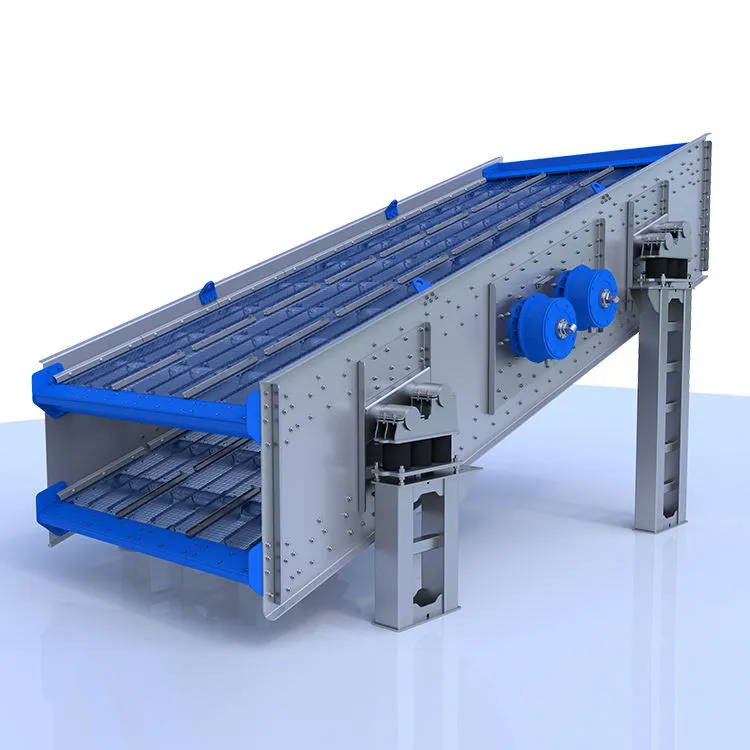
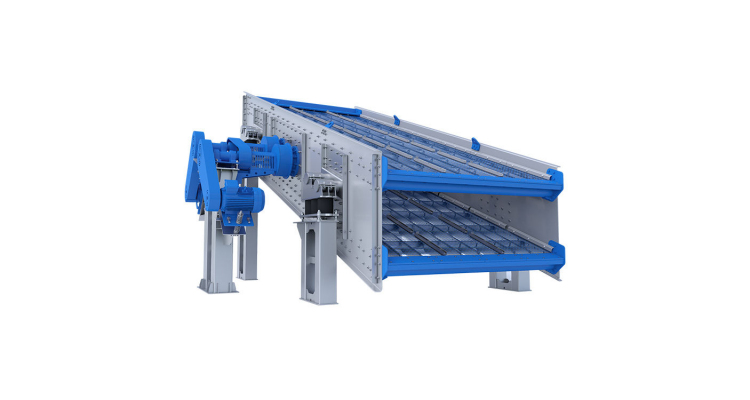
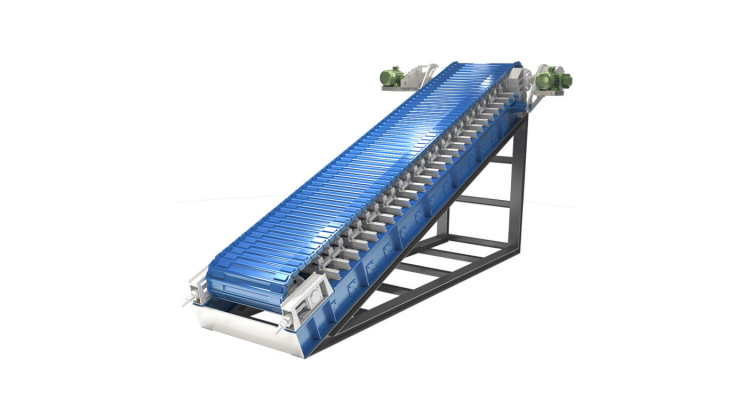
The inline vibratory feeder is a fundamental component in automated assembly and packaging lines across the electronics, small parts manufacturing, and consumer goods industries. Its linear, straight-line design is engineered for seamless integration into tight conveyor layouts, efficiently transporting and orienting components like screws, caps, semiconductors, and plastic pieces. By providing a consistent, singular file stream of parts, it ensures downstream robotic pickers, assembly stations, or packaging machines operate at maximum speed and accuracy. This reliable transfer eliminates bottlenecks, reduces manual handling, and is essential for achieving high-volume production targets in modern, streamlined manufacturing facilities.
In the pharmaceutical and nutraceutical sectors, the inline vibratory feeder excels in precision counting and sorting applications critical for compliance and quality control. These feeders gently handle tablets, capsules, and soft gels, aligning them for precise optical counting or inspection systems before bottling or blister packaging. The controlled vibration and sanitary, often stainless steel or coated, construction meet stringent cleanliness standards. This application minimizes product loss, guarantees accurate dosage counts, and upholds Good Manufacturing Practice (GMP) requirements, making the inline vibratory feeder a trusted tool for ensuring product integrity and regulatory adherence.
Furthermore, the food processing industry leverages the inline vibratory feeder for the gentle handling and precise placement of a wide variety of items, from confectionery and baked goods to fresh produce and frozen products. Designed with easy-clean features and food-grade materials, these feeders can sort, space, and feed products onto conveyors for coating, weighing, bagging, or boxing. Their gentle vibratory motion prevents damage to delicate items while maintaining an even, controllable flow. This capability directly reduces waste, improves packaging presentation, and enhances overall line efficiency, proving the inline vibratory feeder's value in maintaining both quality and throughput in sensitive food handling operations.

 EN
EN