
 EN
EN
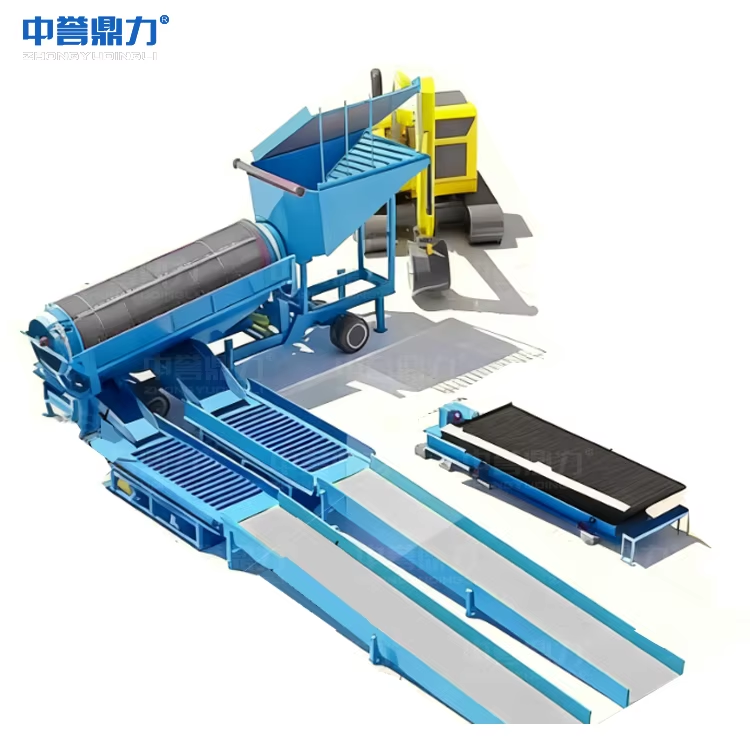
Mobility and Operational Flexibility: When a Mobile Crushing Plant Delivers Strategic Advantage
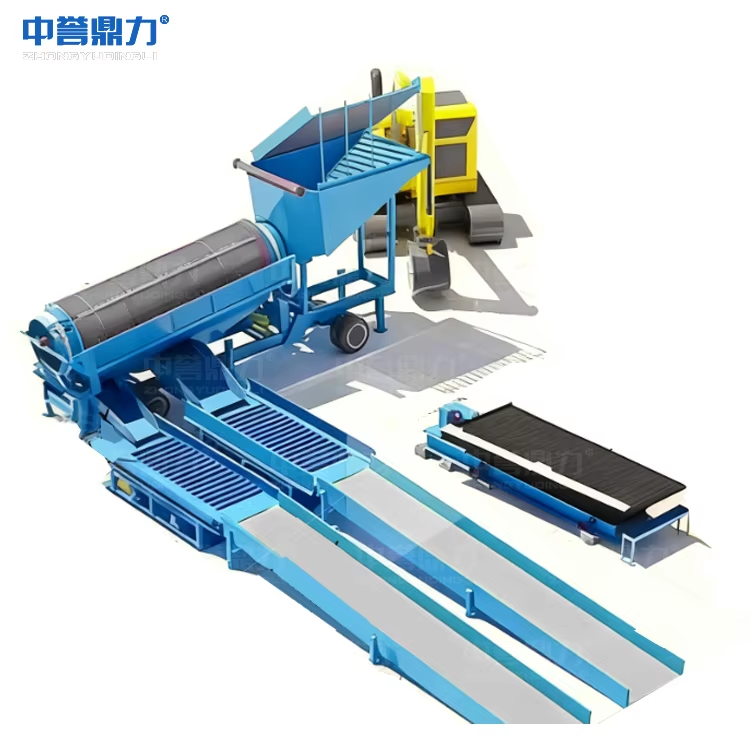
On-Site Relocation and Dynamic Adaptation to Evolving Job-Site Conditions
Mobile crushing plants let crews move them quickly around construction sites, which cuts down on all those headaches caused by waiting for materials to be hauled long distances. When projects change direction suddenly, like when they start digging in a completely different area or need to work in stages, these mobile units can be moved from one spot to another in just a few hours instead of taking days. What this means is that companies rely far less on trucks for transportation stuff gets moved around roughly 70% less often than before. Most people don't realize how big of a deal this is until they see it happen firsthand. With special hydraulic systems built into these machines, setting them up even on rough ground takes less than half an hour. That saves money because otherwise, fixed installations would need expensive groundwork preparation first. Contractors love this kind of flexibility since it makes their schedules much more adaptable. They can adjust operations based on where materials pile up naturally or deal with unexpected environmental issues without stopping everything dead in its tracks.
Mine-Face, Riverbed, and Remote Material Processing: Applications Unique to the Mobile Crushing Plant
These units unlock capabilities impossible for fixed infrastructure through:
- Direct mine-face processing: Crushing ore at extraction points slashes haulage distances by 1–3 km per load, reducing diesel consumption by 25–40% per ton
- Seasonal riverbed operations: Deployment directly on gravel bars during low-water periods enables aggregate processing before seasonal flooding
- Off-grid site development: Solar/hybrid-powered configurations support crushing in remote regions lacking grid connections
- Disaster response: Rapid deployment for concrete recycling after seismic events or storms
This mobility eliminates the “tyranny of distance” that plagues stationary systems—especially where sites lack permanent access roads, projects span multiple non-contiguous parcels, or environmental permits restrict fixed installations.
Throughput Capacity and Production Consistency: Matching Output Requirements to Plant Type
Throughput Ranges: Mobile Crushing Plant vs Stationary Crushing Plant
Most mobile crushing setups can handle anywhere from 100 to 600 tons each hour, making them pretty good for mid-sized jobs where equipment needs to move around between sites. Stationary crushing plants are totally different though, capable of processing 300 all the way up to over 3,000 tons per hour. These bigger installations work best at permanent locations such as mines or big construction sites where massive volumes need grinding down. Why the difference? Well, mobile machines are built small enough to fit on trucks and trailers, so they sacrifice some capacity for easy transportation. Meanwhile, stationary systems pack in those heavy duty crushers and long conveyor belts because they don't have to worry about moving them once installed.
Material Handling Impact: Truck-Dependent Interruptions vs Conveyor-Driven Continuity
The way materials get handled makes a big difference in how consistently different systems operate. With mobile crushing plants, everything depends on those loader trucks bringing in the feedstock. But this creates problems when trucks need fueling, workers switch shifts, or equipment has to be moved around. The whole operation grinds to a halt sometimes. Stationary plants tell a different story though. They have these conveyor belts running all day long, keeping materials moving without stopping. Some industry reports actually show these setups cut down on idle time somewhere between 15% and 30%. For companies dealing with massive volumes where they just can't afford downtime, going with stationary equipment often makes much more sense in practice.
Total Cost of Ownership: Evaluating CapEx, OpEx, and Lifecycle Value
Upfront Investment: Mobile Crushing Plant vs Stationary Crushing Plant
The upfront cost known as Capital Expenditure (or CapEx) basically sets how much someone owns at first glance. For mobile crushing operations, businesses typically spend anywhere from around 350 thousand dollars up to maybe two point one million bucks. These mobile setups can get deployed pretty quickly since they don't need much site prep work. On the flip side, stationary crushing systems come with significantly higher price tags ranging between twelve hundred thousand and fifteen million dollars plus. Why? Because these require substantial foundation construction and all sorts of permanent infrastructure. The big difference in prices really comes down to what companies value more: being able to move their operation easily versus having maximum production capacity where they are. Looking at various industry reports, it seems clear that what most people call CapEx actually makes up just about fifteen to twenty five percent of everything a company spends over the lifetime of their heavy processing gear.
Five-Year Operational Economics: Fuel, Labor, Maintenance, and Downtime for the Mobile Crushing Plant
When looking at long-term costs, operational expenditure takes center stage. Mobile crushing operations tend to burn through a lot of cash on fuel over five years, with diesel relocation alone eating up around 38% of total OpEx. Labor costs come in second place at roughly 25%, covering everything from skilled operators who know their way around heavy machinery to maintenance staff keeping things running smoothly day after day. Parts wear out fast in these environments too, so replacing components subjected to constant pounding makes up about 20% of spending. And let's not forget about those unexpected breakdowns that can cost upwards of $740k each year in lost productivity. That's why many operators invest in preventive maintenance programs which typically cut these unplanned expenses by somewhere between 12 and 18 percent annually while also giving equipment a longer useful life. Finally, don't overlook residual value when calculating overall costs across the asset's lifetime – it can make all the difference in determining whether an investment pays off in the end.
Project Timeline, Site Constraints, and Sustainability: The Decisive Non-Technical Factors
Project timelines often dictate crushing plant selection. Mobile units require 2–4 weeks for commissioning versus 6–12 months for stationary plants, accelerating production starts. Tight schedules favor mobile solutions—especially in time-sensitive contracts like disaster reconstruction or seasonal mining.
Site constraints fundamentally sway decisions. Limited acreage, unstable terrain, or protected ecosystems may preclude stationary installations requiring extensive foundations. Mobile plants operate on compact footprints and relocate easily to avoid sensitive zones, reducing environmental permitting delays.
Sustainability considerations increasingly tip the scale. Mobile crushing cuts truck haulage by processing materials directly at extraction points, slashing diesel consumption by 30–60%. Reduced transport also lowers particulate emissions and road wear. On-site reprocessing of demolition waste further supports circular economy goals, diverting rubble from landfills while producing reusable aggregates.
These factors—deployment speed, spatial adaptability, and carbon reduction—often outweigh pure technical specs. Project managers must evaluate them alongside operational metrics to avoid costly reworks or compliance penalties.
FAQ Section
What is a mobile crushing plant?
A mobile crushing plant is a machine designed to crush large rocks, gravel, or construction waste into smaller, manageable pieces, which can be easily transported and redeployed to different locations.
How do mobile crushing plants differ from stationary plants?
Mobile crushing plants are designed for flexibility and mobility, enabling them to be easily moved to different sites. Stationary plants are fixed installations with higher throughput capabilities, typically used for long-term, large-scale projects with permanent locations.
What are the advantages of using mobile crushing plants?
The key advantages include flexibility in site relocation, reduced transportation distances, dynamic adaptation to project changes, and quick setup times, which make them ideal for time-sensitive or remote applications.
Table of Contents
- Mobility and Operational Flexibility: When a Mobile Crushing Plant Delivers Strategic Advantage
- Throughput Capacity and Production Consistency: Matching Output Requirements to Plant Type
- Total Cost of Ownership: Evaluating CapEx, OpEx, and Lifecycle Value
- Project Timeline, Site Constraints, and Sustainability: The Decisive Non-Technical Factors