
 EN
EN
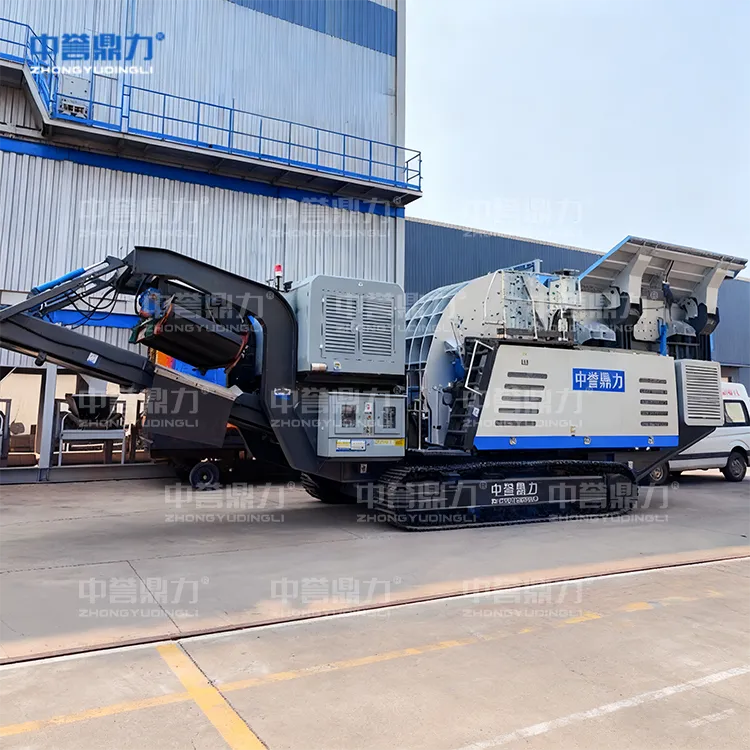
Why Choose a Mobile Cone Crusher for Secondary Crushing?
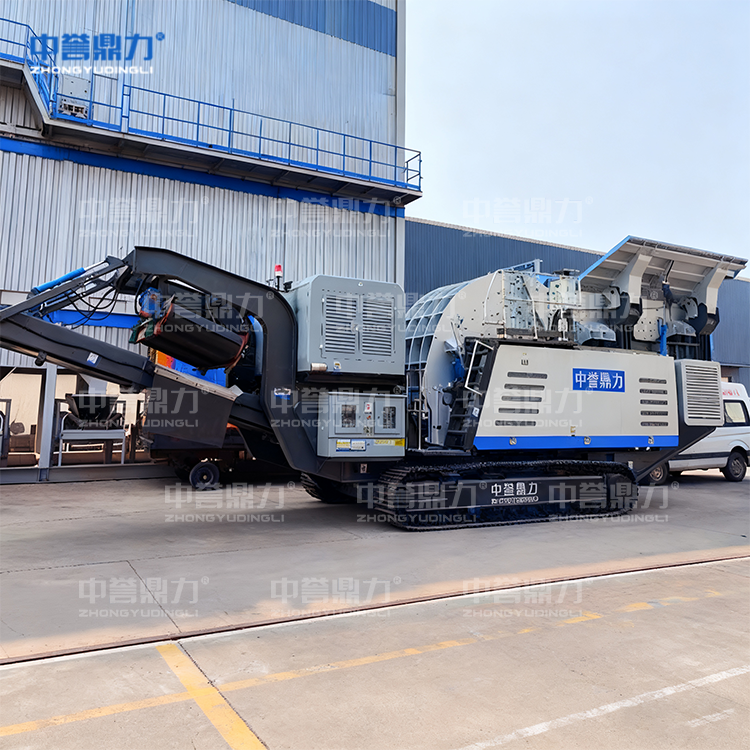
Mobile cone crushers are changing how we approach secondary crushing operations because they can produce precisely sized aggregates right at the mining site. Primary crushers basically break down large rocks into smaller pieces, but mobile cone units take things further. They refine already broken material into consistently sized fractions that matter a lot for making good quality concrete and road bases. When particles aren't uniform in size, it weakens the overall structure of whatever gets built with them. These machines work through their special conical chambers that squeeze material between a spinning part called a mantle and a stationary concave surface. Most operators see around a 3 to 5 times reduction ratio when using these systems, which means fewer oversized or undersized particles end up in the final product. Because of this better control over aggregate sizes, many companies report needing about 30 percent less reprocessing than what's typical with impact crushers. That translates to real savings on both manpower and electricity bills in the long run.
When dealing with granite or limestone stockpiles spread out over large areas, operational mobility makes life much easier because there's no need to move materials back and forth between different processing stages. Track mounted systems can be moved from one location to another within half an hour without taking anything apart, which means operators can work through several piles or even switch between quarries as needed. Putting both crushing and screening functions onto the same chassis allows sites to skip those extra conveyor belts and transfer points that typically eat up so much fuel and create all that dust. Real world testing at various hard rock operations shows that going mobile actually cuts down the cost per ton processed somewhere between 12% and 19% compared to traditional fixed setups.
Key Performance Advantages of Mobile Cone Crushers
Superior Reduction Ratio and Product Shape Consistency
Today's mobile cone crushers can crush limestone at reduction ratios reaching around 6:1 while keeping the crushed material looking pretty consistent in shape. Most output ends up with over 95% uniformity in aggregate form. This kind of control matters a lot when working with materials that need specific specs, such as concrete mixtures and asphalt blends. When rocks come out irregular instead of nice and cubical, they create more empty spaces between them. That means weaker final products and higher costs because more binding agents are needed to hold everything together. The newer machines have improved inner chambers and settings that let workers adjust how finely crushed the material gets during operation. They don't lose production speed either, which makes these crushers indispensable for meeting industry standards right at construction sites according to ASTM C33 requirements or similar European specifications.
Hydraulic Protection, Automatic Tramp Iron Relief, and Real-Time Load Optimization
When integrated hydraulic systems detect something they can't crush like tramp iron, they kick in those automatic relief valves almost instantly within milliseconds of overload. This quick response stops problems before they start, saving equipment from things like seized shafts or damaged liners that would otherwise lead to expensive breakdowns. Alongside these safety measures, smart monitoring systems constantly tweak various parameters on the fly. They adjust how fast the crusher runs, change the gap settings between crushing surfaces, and control feeding rates to keep everything running smoothly without wasting energy. The end result? Plants see around a 15% reduction in energy costs when compared to older fixed setups. Even better, production stays consistent at 150 to 400 tons per hour regardless of whether the material coming in is bigger than usual or has higher moisture levels.
Operational Flexibility: Deployment, Mobility, and Site Integration
Rapid Relocation Between Quarries or Stockpiles Without Dismantling
Mobile cone crushers don't need permanent foundations and can actually be moved from one location to another pretty fast these days. Instead of taking weeks as it used to, companies now transport them between sites or stockpiles within hours using regular lowboy trailers. This kind of mobility keeps operations running smoothly when dealing with different project phases, temporary mining spots during certain seasons, or multiple quarry jobs at once. Field workers often report moving their 300 ton machines in less than two hours, which cuts down downtime significantly while making better use of equipment investments. Being able to shift locations so rapidly helps support those just in time delivery approaches for aggregates too. Less stuff sitting around waiting means lower storage expenses overall and fewer trucks clogging up worksites compared to traditional methods.
Modular Powertrain and Feed System Options for 150–400 tph Throughput Targets
The powertrain choices available today include both diesel-electric hybrids and direct drive diesel models, letting operators pick what works best depending on where they operate. Local rules about emissions, availability of electricity grids, and noise restrictions all play into this decision. When it comes to feeding material into processing systems, these setups work well with whatever comes before them in the process chain. Think wheel loaders or those big primary jaw crushers at the front end. Adjustable hoppers and optional pre-screening modules make connections between different machines much smoother than older systems did. For tight spaces like city construction zones or rehab projects, hydraulic folding conveyors really help cut down how much room is needed during setup. And because everything can be adjusted, the system handles different volumes pretty well too. We're talking around 150 tons per hour for smaller jobs like demolition recycling or minor infrastructure work, but it scales up nicely to handle 400 tph when working at larger quarries. What's interesting is that despite these changes in volume, the final product maintains pretty much the same quality throughout.
Real-World Validation: Efficiency and ROI in Limestone and Hard Rock Applications
Case Study: ZY-MC400 Mobile Cone Crusher Reduces Downtime by 37% and Lowers Fuel Cost per Ton by 19%
Testing the ZY-MC400 in actual hard rock quarries around the country showed some pretty impressive results on the shop floor. The machine's hydraulic overload system and automatic tramp iron removal knocked down unexpected downtime by almost 40%, which is huge for operations managers. At the same time, those real time load adjustments shaved off nearly 20% in fuel costs per ton of material handled. Put this into practice at a standard 300 tons per hour setup, and we're talking about saving roughly $74k on diesel each year plus getting back about 15 extra productive hours every week. What really stands out though is how well it handles gradation control, even when dealing with that super rough limestone stuff that tends to wear out most equipment after just a few shifts. This kind of performance tracks with what many contractors have been reporting lately across the industry. Mobile cone crushers generally pay for themselves quicker than old school secondary crushing systems and tend to offer better returns over time as well.
FAQ
What is the primary use of a mobile cone crusher?
Mobile cone crushers are primarily used for secondary crushing operations, refining broken material into consistently sized fractions ideal for quality concrete and road bases.
Why are mobile cone crushers more efficient than traditional setups?
Mobile cone crushers offer better control over aggregate sizes, reduced reprocessing, and lower energy costs, leading to savings in manpower and electricity bills.
How are mobile cone crushers transported between sites?
Mobile cone crushers can be moved between locations within hours using regular lowboy trailers, eliminating the need for permanent foundations and reducing downtime significantly.
What is the typical throughput for mobile cone crushers?
These machines offer modular powertrain and feed system options, achieving throughputs between 150 to 400 tons per hour, depending on the job size and requirements.