
 EN
EN
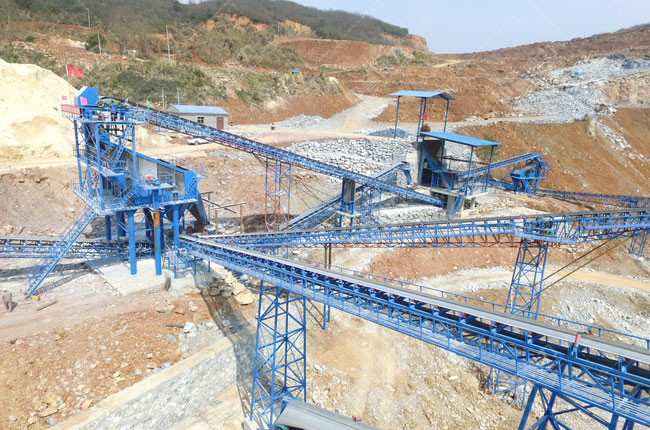
Primary Crushing Equipment: Jaw and Gyratory Crushers
Primary crushing equipment forms the foundational stage in stone processing, where large raw materials undergo initial size reduction. This stage directly influences downstream efficiency, product quality, and overall plant economics.
Jaw Crusher: High-Ratio Reduction for Hard, Abrasive Feed
Jaw crushers work by squeezing material between two plates one stays still while the other moves back and forth making them great for tough stuff like granite or basalt that would wear out other equipment quickly. These machines are built solid enough to handle really big rocks and can crush down meter sized boulders into pieces around 150 to 300 millimeters across. Maintenance isn't too complicated either which keeps running costs down so many quarries prefer them when dealing with all sorts of different sized rock inputs. Most people in the business know that about two thirds of all primary crushing setups for limestone and iron ore rely on jaw crushers because they just keep going even when faced with super abrasive materials day after day.
Gyratory Crusher: Continuous Duty for Large-Scale Hard Rock Operations
Gyratory crushers work by continuously compressing materials while a conical head moves within a concave bowl shape. These machines are built specifically for large scale mining operations and can process anywhere between 3,500 to 6,000 tons each hour. That's roughly 30 to 40 percent better performance compared to similar jaw crusher models, which makes these gyros the go-to equipment when dealing with tough rock types like copper or gold ores. One big advantage is how well they maintain particle size consistency throughout production runs, plus they handle wet or sticky feed materials without getting clogged up. On the downside though, installing these systems takes time and money since they require specialized foundations. The initial investment costs are definitely steeper too, along with increased power consumption requirements. For most operations, this means gyros make sense economically only when there's going to be constant heavy volume production over many months or years that justifies all those extra expenses upfront.
Secondary and Tertiary Crushing Equipment: Cone and Impact Crushers
After primary crushing reduces material to manageable sizes, secondary and tertiary stages refine it into precise specifications—determining final product suitability for concrete, asphalt, road base, or specialty aggregates. Gradation accuracy, particle shape, and consistency become critical at this stage.
Cone Crusher: Consistent Gradation Control for Medium-Hard Stone
In the world of aggregate processing, cone crushers work by squeezing material between a spinning mantle and fixed concave liner. What sets these machines apart is how they crush rocks against each other instead of just smashing them, resulting in very consistent outputs usually ranging from around 1.5 inches up to about 6 inches in size. Most importantly, there's not much flaky material produced either, keeping elongated particles below 15%. For contractors working on road base layers or building foundations where quality matters, this consistency can make all the difference. Sure, buying a cone crusher upfront will cost more compared to jaw or impact models, but operators find that running costs actually drop significantly when looking at dollars per ton processed over months or years. Regular maintenance involves checking those liners periodically and keeping an eye on the hydraulics, which isn't rocket science really. With good maintenance routines in place, most plants report trouble-free operation for extended periods despite the heavy-duty nature of the work.
Impact Crusher (HSI/VSI): Cubical Product Shape and Recycling Flexibility
Impact crushers work by smashing materials against high-speed rotors and impact plates instead of squeezing them together, which creates those nice cube-shaped particles that builders really want for top-quality construction projects. The Horizontal Shaft Impactor, or HSI for short, handles stuff like limestone and old concrete pretty well, giving out aggregates around three-quarters of an inch up to three inches in size. These have less than ten percent void space, making them perfect for mixing into structural concrete. Then there's the Vertical Shaft Impactor, known as VSI, that takes things one step further by shaping the particles even better. Construction companies love using VSIs to make high-grade sand from both natural rock and recycled materials after buildings get torn down. Speaking of recycling, these machines actually help push forward circular economy initiatives by turning demolition waste back into usable aggregate at impressive speeds, somewhere between 200 and 500 tons every hour. Of course, parts do wear out faster compared to cone crushers, but most manufacturers have figured out quick ways to swap out worn components so operations stay running smoothly without needing too many extra workers hanging around.
Specialized Crushing Equipment: Hammer Crushers for Specific Feed Materials
Hammer Crusher: Efficient Size Reduction for Soft to Medium-Hard Limestone, Coal, and Gypsum
Hammer crushers work great for breaking down friable, non-abrasive materials quickly while saving energy. They handle stuff like limestone with compressive strength under 120 MPa, coal, gypsum, and even some dry recycled aggregates. What sets these apart from standard compression crushers? They can handle about 8% moisture content without losing much efficiency and create far fewer fines. That makes them particularly useful for preparing feedstock in cement mills and processing various industrial minerals. These machines boast impressive specs too, capable of reducing material in one pass at ratios up to 20:1 and moving through over 2000 tons per hour. But there are limits; when dealing with really hard rock above 350 MPa, hammer wear becomes a serious issue, often cutting service life to less than 200 hours. And watch out for sticky or clay-heavy feeds since these tend to clog the crusher cavities. Industry data shows hammer crushers save money in cement production and soft stone operations, typically cutting operating expenses between 20 to 30 percent compared to traditional jaw or cone crushers. Just need to make sure the feed material matches what the equipment is designed for.
How to Select the Right Crushing Equipment for Your Stone Processing Line
Choosing the right crushing equipment means matching what the machine can do with what kind of material needs processing and what results the operation wants. First look at what goes into the system. The hardness and how much it wears things down really determine which type of tech works best. For instance, hammer crushers work great on soft stuff like gypsum that doesn't scratch much. But when dealing with tough rocks such as basalt that grind everything down, jaw or gyratory units become essential. What comes out matters too; cone crushers give better control over particle sizes, while impact models create specific shapes and handle both natural materials and recycled stuff pretty well. Don't forget about how much needs to be processed each hour either. Getting this wrong costs money fast. Some companies lose around $740k yearly because their machines aren't sized properly according to research from Ponemon Institute back in 2023. And remember, it's not just about buying cheap. Think about how easy these machines are to maintain, where spare parts come from, how much power they eat, and whether they'll still work if the material mix changes later on. Plants that follow this whole approach tend to see profits jump between 20% to 35% over time thanks to better-performing equipment and processes that stand up to changing conditions.
FAQ Section
What are primary crushing equipment used for?
Primary crushing equipment is used to reduce large raw materials into smaller sizes, forming the first stage of material processing in stone quarries and mining operations.
What is the difference between jaw crushers and gyratory crushers?
Jaw crushers squeeze material between two plates, making them ideal for hard, abrasive substances. Gyratory crushers compress materials using a moving conical head within a concave bowl shape, suited for large-scale operations.
How do cone crushers differ from impact crushers?
Cone crushers control particle sizes with a mantle and concave liner, producing consistent outputs. Impact crushers smash materials against rotors and plates, creating cubical shapes ideal for construction projects.
What kind of material is processed with hammer crushers?
Hammer crushers are designed for friable, non-abrasive materials like soft limestone, coal, and gypsum, especially useful in cement mills.
How do you select the right crushing equipment?
Selecting the right equipment involves understanding the material's hardness, desired output, processing volume, and operational cost efficiency.