Optimizing Primary Crushing: The Vital Role of the Stone Crusher Vibrating Feeder
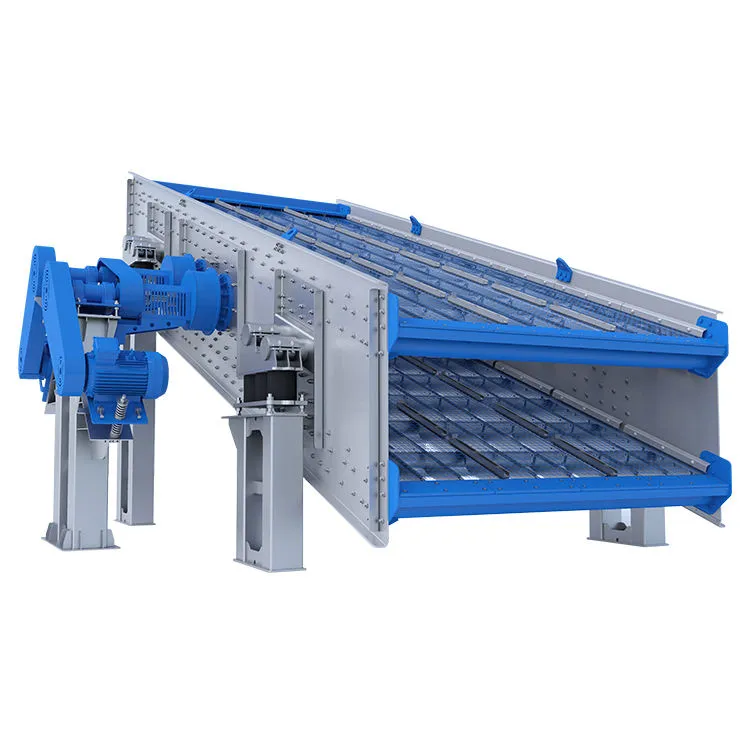
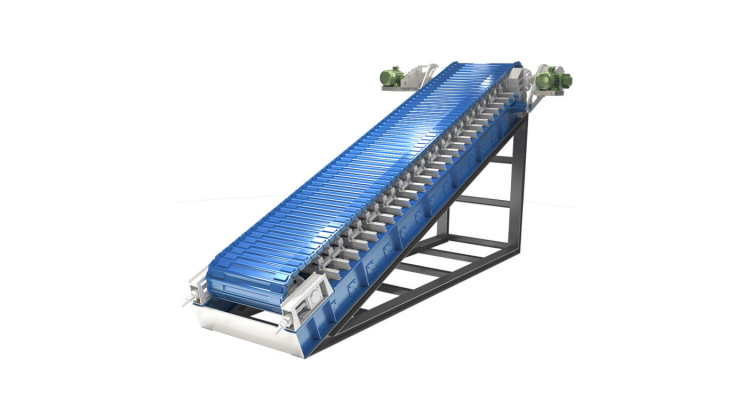
The stone crusher vibrating feeder is the essential first point of contact in any aggregate processing system, directly impacting overall plant efficiency. Its primary application is in quarry and mining operations, where it is tasked with consistently and uniformly feeding large, ungraded raw materials—such as blasted rock, river stone, or boulders—into the primary jaw or impact crusher. By regulating the feed rate and preventing costly hopper bridging or ratholing, this equipment ensures the downstream crusher operates at its optimal capacity without being starved or overloaded. This controlled material flow is fundamental to maximizing throughput, reducing cycle times, and protecting expensive crushing machinery from shock loads and uneven wear.
Beyond traditional quarries, stone crusher vibrating feeders are indispensable in large-scale construction and infrastructure projects. They are deployed in mobile and portable crushing plants at demolition sites, road construction projects, and major civil engineering works to process concrete, asphalt, and natural rock on location. Here, the feeder's rugged design allows it to handle abrasive and variable demolition debris, feeding it steadily to the crusher for on-site recycling into usable base or fill material. This application turns waste into valuable resources, significantly cutting down on transportation costs and supporting sustainable construction practices by enabling closed-loop material processing.
A further critical application area is in the sand, gravel, and industrial minerals sectors. Processing operations for materials like limestone, granite, or iron ore rely on heavy-duty vibrating feeders to handle abrasive and heavy loads across extended conveyor distances or directly into gyratory or cone crushers. The equipment’s ability to perform preliminary screening via grizzly sections adds significant value, allowing fine, non-crushable material to bypass the primary crusher altogether. This pre-screening enhances final product quality, boosts system capacity by reducing crusher load, and minimizes equipment wear, making it a key component for operations focused on producing precisely graded aggregates for concrete, asphalt, and railway ballast.

 EN
EN