Quarry Jaw Crusher: Key Applications in Aggregate and Mining Operations
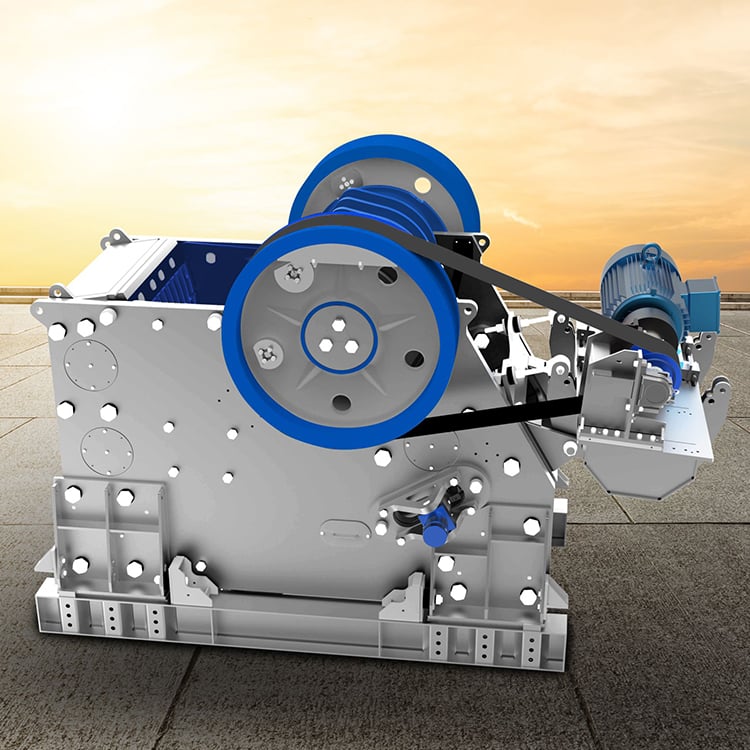
The primary and most critical application of a quarry jaw crusher is the initial size reduction of blasted raw material. Stationed at the very front of the processing line, these robust machines are engineered to handle the largest feed sizes directly from the quarry face. Their powerful compressive force breaks down large boulders of granite, limestone, basalt, and other hard rock into manageable, coarse aggregate. This first crushing stage is fundamental for setting the overall plant throughput and preparing material for secondary processing by cone or impact crushers, making the jaw crusher the undeniable workhorse of any quarry's primary circuit.
Beyond primary crushing, modern quarry jaw crushers are pivotal in producing specific, in-demand aggregate products. With adjustable discharge settings, operators can tailor the output size to create a range of base materials, such as crusher run (GBS) or railroad ballast, directly from the primary stage. Their straightforward crushing action produces optimally shaped, cubical aggregate with a high percentage of finished product in a single pass. This efficiency is crucial for producing aggregates used in road construction, concrete production, and drainage layers, where consistent particle size and shape are non-negotiable for structural integrity and specification compliance.
While central to aggregate quarries, jaw crushers also serve vital roles in related heavy industries. In mining operations, they perform primary crushing of mineral-bearing ores for further processing. Furthermore, their robust design makes them increasingly suitable for construction and demolition waste recycling in urban quarrying settings. Here, they process concrete, bricks, and asphalt rubble, reducing it to a size suitable for screening and reuse as recycled aggregate. Mobile jaw crusher plants, in particular, extend this application directly to demolition sites and smaller satellite quarries, offering flexibility and reducing haulage costs by processing material on-location.