Application Areas of the Grizzly Hopper Feeder
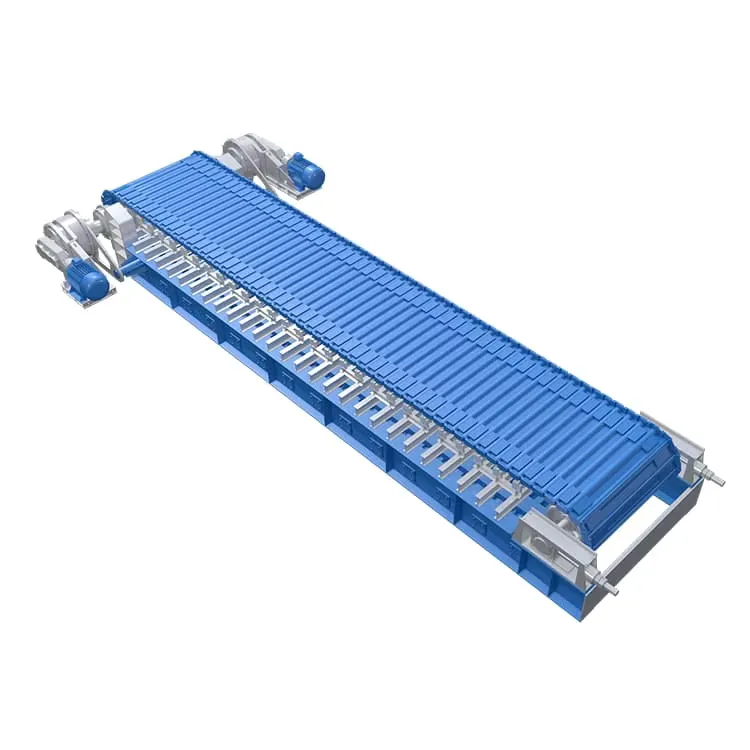
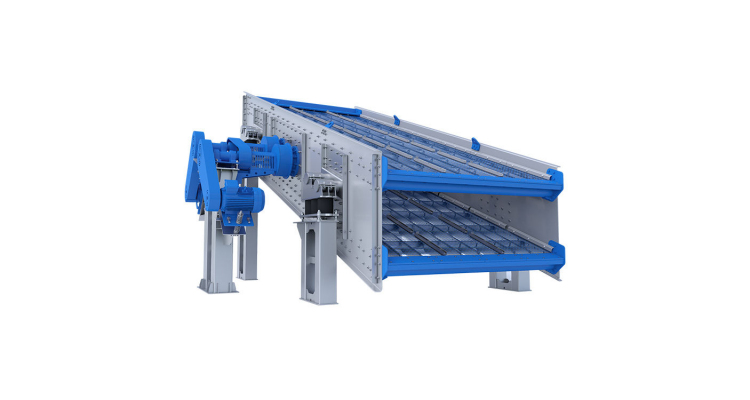
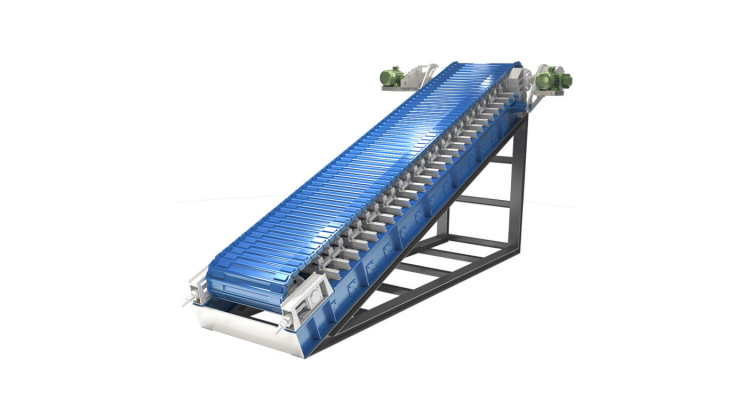
The integrated grizzly hopper feeder is a cornerstone of primary processing in mining and high-volume aggregate production. Its combination of a receiving hopper and a vibrating feeder with grizzly bars creates an efficient first stage for handling run-of-mine ore, blasted rock, or gravel. The hopper manages surge loads from haul trucks, while the feeder regulates material flow to the primary crusher. Critically, the grizzly section scalps out natural fines and undersized material, preventing them from entering and unnecessarily loading the crusher. This dual action of feeding and pre-screening significantly boosts overall plant capacity, reduces wear on downstream equipment, and optimizes energy consumption for maximum throughput.
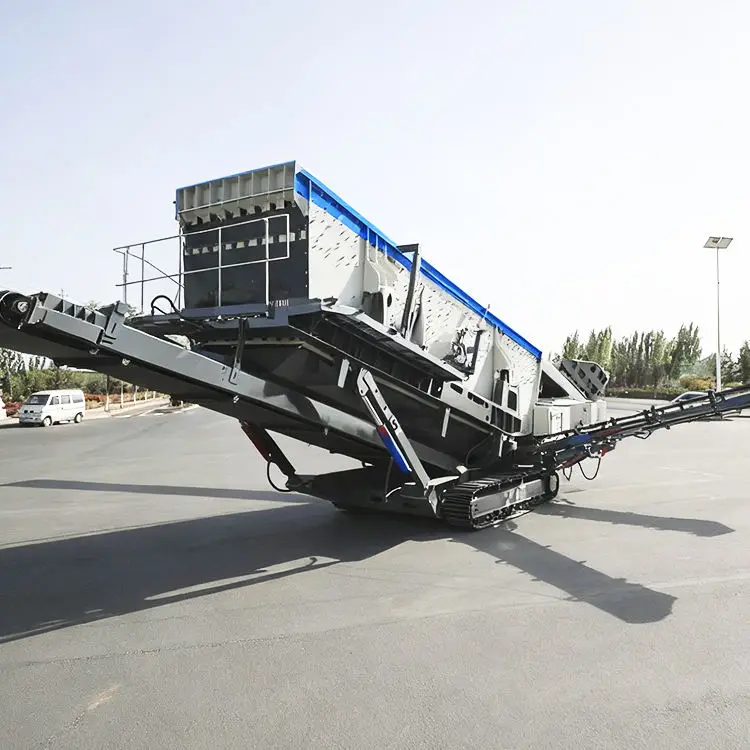
In the construction, demolition, and concrete recycling sectors, the grizzly hopper feeder is vital for processing irregular and abrasive materials. The system excels at accepting demolition debris, concrete slabs, and reclaimed asphalt directly at the site. The robust hopper withstands impact from large debris, and the grizzly feeder effectively separates dirt, fine rubble, and contaminants from the crushable feed before it enters the processing circuit. This pre-cleaning step is essential for producing high-quality, specification-grade recycled aggregate, protecting crushers from damage, and enhancing the operational efficiency of both fixed and mobile recycling plants, thereby supporting circular economy goals.
For heavy industrial applications involving coal, sinter, slag, and industrial minerals, the grizzly hopper feeder ensures a consistent and pre-classified material stream. The unit provides vital surge capacity and controlled feed rates to subsequent processing stages such as washing plants, crushers, or sorters. By removing fine particles early in the process, the grizzly section prevents bottlenecks in downstream equipment and improves the efficiency of separation or beneficiation processes. This makes the system indispensable in power generation, steel manufacturing, and mineral processing plants, where reliable feeding and initial sizing are crucial for maintaining product quality, system stability, and overall plant productivity.

 EN
EN