
 EN
EN
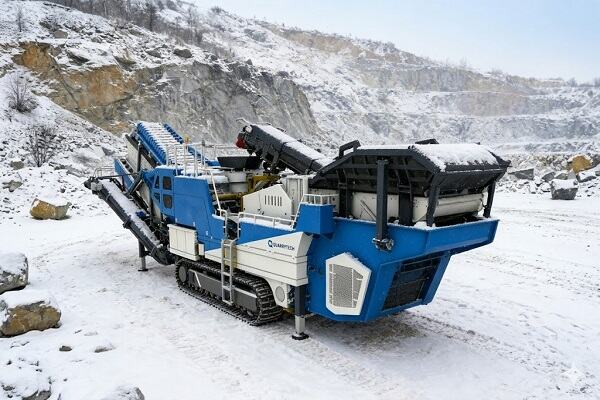
W przypadku eksploatacji kamieniołomów i produkcji kruszyw, wybór odpowiedniej kruszarki szczękowej i dokładne oszacowanie jej wydajności to kluczowe kroki, które mają bezpośredni wpływ na wydajność, opłacalność i stabilność dalszych procesów.
Dla producentów takich jak Zhongyu Dingli, posiadających ponad 30-letnie doświadczenie w zakresie sprzętu górniczego i do produkcji materiałów budowlanych oraz usług projektowo-budowlanych (EPC), obliczanie wydajności nie jest jedynie ćwiczeniem teoretycznym, lecz praktycznym wymaganiem inżynierskim gwarantującym niezawodność systemu oraz optymalną wydajność.
W niniejszym artykule wyjaśniono, w jaki sposób oblicza się wydajność żarnika, jakie czynniki na nią wpływają oraz jak operatorzy kopalni mogą stosować te zasady w rzeczywistym planowaniu projektów.
Zrozumienie wydajności żarnika
Moc zgniatarki żuczkowej zwykle odnosi się do ilości materiału, jaką urządzenie może przetworzyć w ciągu godziny, wyrażanej zazwyczaj w tonach na godzinę (TPH). Jednak rzeczywista moc nie jest stałą wartością; zależy ona od cech materiału, konstrukcji maszyny oraz warunków eksploatacji.
Producenci często podają teoretyczną moc opartą na idealnych warunkach zasilania. W rzeczywistych warunkach pracy kamieniołomu skuteczna moc jest zazwyczaj niższa ze względu na nieregularności zasilania, zawartość wilgoci w materiale oraz stan zużycia urządzenia.
Podstawowy wzór na moc zgniatarki żuczkowej
Uproszczony teoretyczny wzór stosowany powszechnie w praktyce inżynierskiej ma postać:
Moc (Q) = (60 × natężenie zasilania × szerokość otworu wyładunkowego × współczynnik redukcji)
Jednak bardziej praktycznym przybliżeniem stosowanym w branży jest:
Q = A × B × C × D
Gdzie:
A = powierzchnia otworu zasilania lub czynnik szerokości
B = gęstość objętościowa materiału
C = czynnik skoku i prędkości
D = współczynnik sprawności (zazwyczaj 0,6–0,8 w rzeczywistych warunkach eksploatacji)
Choć producenci mogą stosować własne modele, niniejszy ramowy opis pomaga inżynierom oszacować wydajność w wczesnych etapach projektowania.
Główne czynniki wpływające na wydajność
Wielkość i rozkład materiału zasilającego
Maksymalna wielkość materiału zasilającego ma bezpośredni wpływ na wydajność kruszarki. Optymalnie materiał zasilający powinien być równomiernie rozprowadzany i nie przekraczać 80–90 % szerokości otworu zasilania. Nierównomierne zasilanie może znacznie obniżyć przepustowość.
Twardość materiału i ścieralność
Twardsze materiały, takie jak granit lub bazalt, zmniejszają sprawność kruszenia i zwiększają zużycie płytek żuchwowych. Miększe materiały, np. wapienie, zazwyczaj pozwalają na uzyskanie wyższej przepustowości.
Zawartość wilgoci
Wysoka zawartość wilgoci może powodować przywieranie i zapychanie materiału, co zmniejsza skuteczną wydajność. W wilgotnych warunkach kopalnianych może być konieczne dodatkowe przesiewanie lub wstępne przetwarzanie.
Ustawienie strony zamkniętej (CSS)
Ustawienie strony zamkniętej określa końcowy rozmiar produktu i istotnie wpływa na wydajność. Mniejsze ustawienie CSS daje drobniejszy materiał, ale zmniejsza przepustowość.
Prędkość i skok kruszarki
Prędkość wału mimośrodowego i skok żądań wpływają na częstotliwość, z jaką materiał jest ściskany. Wyższe prędkości mogą zwiększyć wydajność, ale mogą również zwiększyć zużycie oraz zużycie energii.
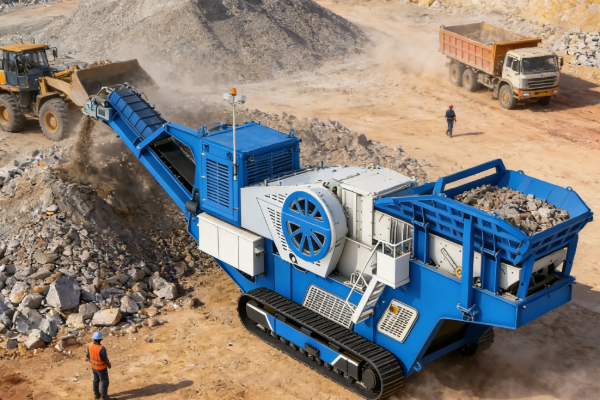
Metoda praktycznego szacowania wydajności
W przypadku planowania projektów kopalni inżynierowie często stosują metodę krok po kroku do szacowania wydajności:
Krok 1: Określenie charakterystyki materiału
Rodzaj skały (np. wapienie, granity)
Gęstość objętościowa (t/m³)
Maksymalny rozmiar wsadu
Krok 2: Wybór modelu kruszarki
Na podstawie wymaganej wydajności i wielkości materiału do zgniecenia należy wybrać odpowiedni model kruszarki żurawiowej z odpowiednimi wymiarami otworu załadunkowego.
Krok 3: Zastosowanie danych producenta dotyczących wydajności
Należy wykorzystać podstawową wydajność podaną przez dostawcę sprzętu w warunkach standardowych.
Krok 4: Zastosowanie czynników korekcyjnych
Dostosuj pojemność teoretyczną przy użyciu czynników korekcyjnych:
Czynnik stanu zasilania (0,7–1,0)
Czynnik twardości materiału (0,5–1,0)
Czynnik wilgotności (0,6–1,0)
Czynnik wydajności eksploatacyjnej (0,6–0,85)
Krok 5: Obliczenie pojemności skutecznej
Ostateczna pojemność = Pojemność teoretyczna × Zespolone czynniki korekcyjne
Przykładowe obliczenie
Zakładamy:
Pojemność teoretyczna = 300 TPH
Czynnik stanu zasilania = 0,85
Współczynnik twardości = 0,75
Współczynnik wilgotności = 0,9
Współczynnik sprawności = 0,8
Pojemność skuteczna:
300 × 0,85 × 0,75 × 0,9 × 0,8 ≈ 137 TPH
Pokazuje to, jak warunki eksploatacji w rzeczywistych zastosowaniach mogą znacznie zmniejszać pojemność nominalną.
Znaczenie projektowania na poziomie całego systemu
Pojemności żarnika szczękowego nigdy nie należy oceniać w oderwaniu od reszty układu. W kompletnym układzie produkcyjnym kopalni kamiennej pojemność musi być zgodna z:
Wydajnością podajnika wibracyjnego
Prędkość taśmy transportowej
Pojemnością żarnika stożkowego lub uderzeniowego umieszczonego w dalszej części linii technologicznej
Moc instalacji sortującej
Jeśli którykolwiek etap jest niedostosowany do wymaganej mocy, wąskie gardła zmniejszą ogólną wydajność instalacji.
Dlatego dostawcy EPC, tacy jak Zhongyu Dingli, skupiają się na zintegrowanym projektowaniu systemu, a nie na dostawie pojedynczych maszyn. Dobrze zrównoważona instalacja rozdrabniająca zapewnia stabilną produkcję i niższe koszty eksploatacji.
Typowe błędy w obliczaniu mocy
Wielu operatorów kopalni popełnia błędy takie jak:
Oparcie się wyłącznie na mocy podanej w katalogu bez wprowadzania korekt
Ignorowanie zmienności materiału w różnych strefach kopalni
Przesadne szacowanie wydajności kruszarki
Pomijanie czasu postoju koniecznego na konserwację
Projektowanie bez zaprojektowania dodatkowej pojemności buforowej w systemie
Unikanie tych błędów jest kluczowe dla osiągnięcia stabilnej, długoterminowej produkcji.
Podsumowanie
Obliczanie wydajności żądałki w projektach kopalni żwirowej wymaga więcej niż zastosowania prostego wzoru. Obejmuje to zrozumienie właściwości materiału, parametrów maszyny oraz rzeczywistych warunków eksploatacji. Dzięki zastosowaniu współczynników korekcyjnych oraz uwzględnieniu integracji systemowej operatorzy kopalni żwirowej mogą osiągnąć bardziej dokładne i niezawodne planowanie produkcji.
Dzięki dziesięcioletniemu doświadczeniu w zakresie produkcji sprzętu górniczego, inżynierii EPC oraz inteligentnych rozwiązań z zakresu kruszenia firma Zhongyu Dingli nadal wspiera projekty kopalni żwirowej na całym świecie, oferując zoptymalizowane projekty, efektywny dobór sprzętu oraz kompleksowe rozwiązania systemowe, które maksymalizują produktywność i stabilność eksploatacji.