
 EN
EN
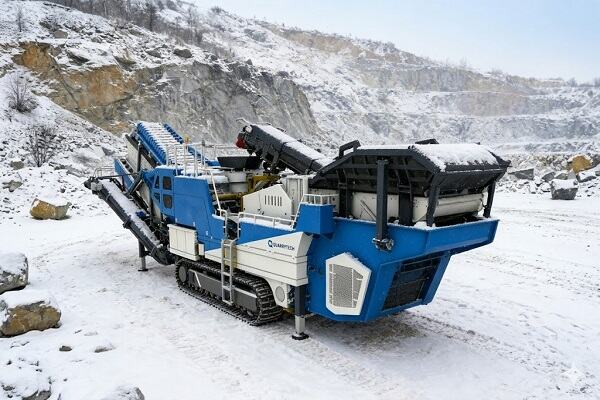
Katika uchimbaji wa mawe na uzalishaji wa vifungo, kuchagua kijiko cha meno cha kisasa na kuhesabu uwezo wake kwa usahihi ni hatua muhimu zinazopatikana moja kwa moja kwa ufanisi, ufanisi wa gharama, na ustahili wa mchakato wa baadaye.
Kwa wazalishaji kama Zhongyu Dingli, ambao wana uzoefu wa zaidi ya miaka 30 katika vifaa vya madini na vifaa vya ujenzi na huduma za miradi ya EPC, hesabu ya uwezo si zoezi la kinadharia tu; ni sharti la uhandisi wa vitendo linalohakikisha uaminifu wa mfumo na matokeo bora.
Artikali hii inaelezea jinsi ya kuhesabu uwezo wa kijiko cha meno, mambo gani yanayomfanya, na jinsi waendeshaji wa mawazo wanavyoweza kutumia kanuni hizi katika mpango wa miradi ya kisasa.
Kuelewa Uwezo wa Kijiko cha Meno
Uwezo wa kuvunja kwa kijiko cha kuvunja kwa mdomo (jaw crusher) kawaida hurejea kiasi cha chombo kinachoweza kuchakamua kwa saa, kwa kawaida kinavyotolewa kwa toni kwa saa (TPH). Hata hivyo, uwezo wa kweli si nambari ya kudumu; unabadilika kulingana na sifa za chombo, muundo wa mashine, na hali za kufanya kazi.
Wafanyabiashara mara nyingi hutoa uwezo wa kufikiria ulioingiliana na hali za kuzalisha bora. Katika shughuli za kujenga mitambo ya kuvunja kwenye mabwawa ya kweli, uwezo wa kutekelezwa ni kawaida chini zaidi kwa sababu ya mchanganyiko wa kuzalisha usio sawa, uko wa maji, na hali ya uvunjivu.
Formula ya Msingi ya Uwezo wa Kijiko cha Kuvunja kwa Mdomo
Formula ya kufikiria rahisi ambayo hutumika kwa kawaida katika mazoezi ya uhandisi ni:
Uwezo (Q) = (60 × kasi ya kuzalisha × upana wa funguo la kutoa × kiwango cha kupunguza)
Hata hivyo, takwimu ya kujitegemea ya sekta inayotumika zaidi ni:
Q = A × B × C × D
Ambapo:
A = Eneo la funguo la kuzalisha au kifaktori cha upana
B = Densiti ya jumla ya chombo
C = Kifaktori cha mgandamizo na kasi
D = Kikwazo cha ufanisi (kawaida ni 0.6–0.8 katika mazingira ya uendeshaji wa kweli)
Ingawa wazalishaji wanaweza kutumia mifumo ya kipekee, mfumo huu huwasaidia wahandisi kukadiria uwezo wakati wa hatua za awali za usanifu wa mradi.
Vyanzo Muhimu Vinavyoathiri Uwezo
Ukubwa wa Chakula na Ugawanyaji Wake
Ukubwa mkubwa wa chakula unapaswa kutoa athari moja kwa moja kwenye utendaji wa kuchomwa. Kwa njia bora, chakula kinachowekwa kichomo kinapaswa kugawanywa kwa usawa na haikipaswi kuzidisha zaidi ya 80–90% ya upana wa kichomo cha kuingia. Ugawanyaji usio sawa unaweza kupunguza sana uhamisho wa chakula.
Unguvu ya Chakula na Uchafu wake
Chakula chenye nguvu kama vile jini au basalt inapunguza ufanisi wa kuchomwa na kuongeza uvunjaji wa vifurushi vya kichomo. Chakula cha kushuka kama vile lime-stone kwa kawaida hukupa uhamisho wa juu.
Yaliyomo Maji
Uwepo wa maji mingi unaweza kusababisha kufunga kwa chakula na kuzimiza, kuhusu uwezo wa kutekelezwa. Katika mazingira ya mitambo ya maji, inahitajika kufanya kuchuja ziada au kufanya uwasilishaji wa awali.
Kuweka Upande wa Kufunga (CSS)
CSS inaamua ukubwa wa mwisho wa pato na kuhusisha kwa kiasi kikubwa uwezo wa kufanya kazi. CSS ndogo huzalisha material ya finer lakini inapunguza kiasi cha kufanya kazi.
Kasi ya Crusher na Mwisho wa Kupiga
Kasi ya shafiti ya eccentric na mwisho wa jaw huathiri jinsi mara ngapi material hupakana. Kasi ya juu zaidi inaweza kuongeza uwezo wa kufanya kazi lakini pia inaweza kuongeza uvunjaji na matumizi ya nishati.
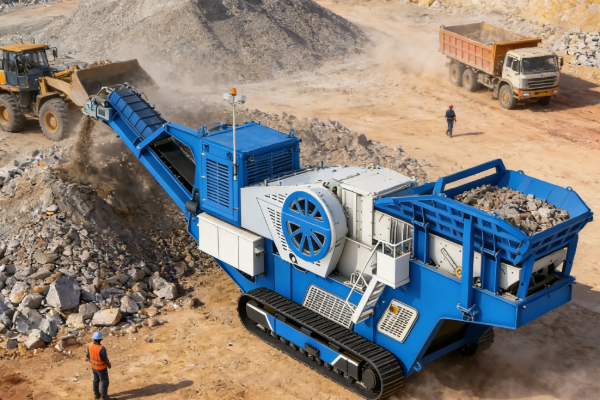
Njia ya Kutambua Uwezo wa Kufanya Kazi Kwa Matumizi ya Kibinafsi
Kwa mpango wa miradi ya kuvuna mawe, wengineeri mara nyingi hutumia njia ya kutambua kwa hatua kwa hatua:
Hatua ya 1: Thibitisha Sifa za Material
Aina ya mawe (k.m., limestone, granite)
Uwiano wa jumla (t/m³)
Ukubwa wa uingizaji wa juu zaidi
Hatua ya 2: Chagua Mtindo wa Crusher
Kulingana na ukubwa unaohitajika wa pato na ukubwa wa kuingia, chagua mtindo wa jaw crusher wenye vipimo vya funguo ya kuingia vinavyofaa.
Hatua ya 3: Tumia Data ya Uwezo wa Mtengenezaji
Tumia uwezo wa msingi uliofurnishwa na mtoa vifaa chini ya hali za kawaida.
Hatua ya 4: Tumia Vigezo vya Kusahihisha
Sahihisha uwezo wa kufikiria kwa kutumia vigezo vya kusahihisha:
Kigezo cha hali ya kula (0.7–1.0)
Kigezo cha nguvu ya vitu (0.5–1.0)
Kigezo cha unyevu (0.6–1.0)
Kigezo cha ufanisi wa utendaji (0.6–0.85)
Hatua ya 5: Tafuta Uwezo wa Kutekelezwa
Uwezo wa mwisho = Uwezo wa kufikiria × Vigezo vya kusahihisha vyote pamoja
Mfano wa Kuhesabu
Kukubali:
Uwezo wa kufikiria = 300 TPH
Kiwango cha hali ya kuzalisha = 0.85
Kiwango cha uchafu = 0.75
Kiwango cha unyevu = 0.9
Kiwango cha utendaji = 0.8
Uwezo wa kutekelezwa:
300 × 0.85 × 0.75 × 0.9 × 0.8 ≈ 137 TPH
Hii inaonyesha jinsi hali za kutekelezwa katika ulimwengu wa kweli zinaweza kupunguza sana uwezo wa kawaida.
Umuhimu wa Uundaji wa Mfumo Kwa Ujumla
Uwezo wa kuvunja kwa jaw crusher usiwe na uhakika kwa kutazamwa peke yake. Katika mstari wa uzalishaji wa kikundi cha kuvunja, uwezo unapaswa kufanana na:
Uwepo wa kuvunja kwa vibrating feeder
Kasi ya kavu ya kuvunja
Uwezo wa kuvunja kwa cone crusher au impact crusher ya kushoto
Uwezo wa mstari wa kuvunja kwa kuchuja
Ikiwa hatua yoyote ni ndogo sana, vituo vya kuvunja vitapunguza ufanisi wa jumla wa mstari.
Hivyo ndilo sababu watoa huduma za EPC kama vile Zhongyu Dingli wanazingatia uundaji wa mfumo uliounganishwa badala ya kutoa mashine moja tu. Mstari mzima wa kuvunja unaohakikisha uzalishaji wa kudumu na gharama za uendeshaji chini.
Makosa Ya Kawaida katika Kuhesabu Uwezo
Wafanyabiashara wa kikundi cha kuvunja wengi hufanya makosa kama haya:
Kujitawala tu kwa uwezo wa katologu bila mabadiliko
Kukataza tofauti ya vitu katika eneo mbalimbali za kuvuna mawe
Kupanda zaidi uwezo wa kuvuna mawe kwa kutumia kivunio cha kijiti
Kukataza muda wa kupumzika kwa ajili ya matengenezo
Kubuni bila uwezo wa kuhifadhi (surge capacity) katika mfumo
Kuepuka makosa haya ni muhimu sana kufikia uzalishaji wa mara ndefu wenye ustawi.
Hitimisho
Kuhesabu uwezo wa kivunio cha kijiti kwa miradi ya kuvuna mawe haichohitaji formula rahisi tu. Inahitaji kuelewa sifa za vitu, viparameta vya mashine, na hali za kufanya kazi katika ulimwengu wa kweli. Kwa kutumia sababu za kurekebisha na kuzingatia ushirikiano wa mfumo wote, wafanyabiashara wa kuvuna mawe wanaweza kufikia mpango wa uzalishaji unaofaa zaidi na unaotegemea zaidi.
Na miaka mingi ya uzoefu katika uuzaji wa vifaa vya kuwasha, uhandisi wa EPC, na suluhisho ya kuvuna mawe kwa njia ya akilidhati, Zhongyu Dingli inaendelea kumsaidia miradi ya kuvuna mawe duniani kote kwa kubuni bora, kuchagua vifaa vya kufanya kazi vyenye ufanisi, na suluhisho ya mfumo wote ambayo inapanga uzalishaji kwa ufanisi zaidi na ustawi wa kufanya kazi.