
 EN
EN
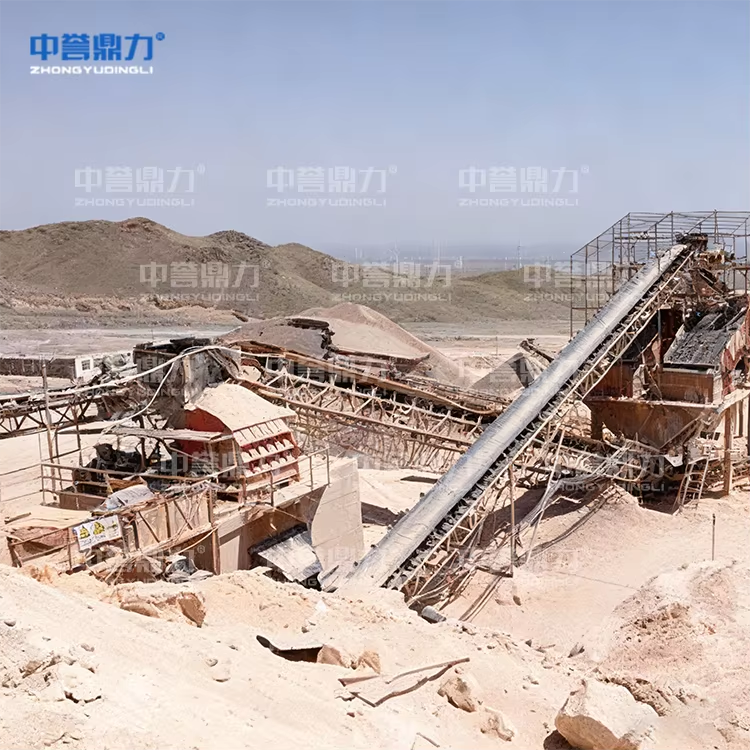
A reliable aggregate line depends less on heroic repairs and more on disciplined, repeatable inspection. This Crushing Equipment Maintenance checklist translates broad maintenance strategy into a concrete, scannable set of "what to check" points for every major component. Organized by operating phase — pre-start, during-operation, and scheduled shutdown — the points below help plant supervisors and mechanics verify condition quickly and consistently. Each item carries a clear acceptance criterion, so a pass-or-fail decision takes seconds rather than debate.
Phase 1: Pre-Start Inspection
Jaw Crusher and Cone/Impact Crusher Pre-Start
Before energizing the line, crews must confirm that the jaw crusher and cone crusher or impact crusher are safe to start. Successful Crushing Equipment Maintenance begins with a visual sweep: verify the crushing chamber is free of residual rock, check cheek-plate and liner bolts for looseness, and confirm the flywheel is unobstructed. Inspect the toggle seat and pitman for grease and cracks. Record bearing temperature after a five-minute no-load run; a steady reading near ambient passes, while a rapid rise indicates a bearing fault that must be resolved before load.
Vibrating Feeder and Vibrating Screen Pre-Start
The vibrating feeder must deliver a controlled, even burden to the crusher. Inspect the feeder pan for build-up, confirm spring mounts are intact, and check that the grizzly bars are not bridged with wet fines. On the vibrating screen, verify screen cloth tension and look for broken wires or loose clamp bars. Ensure the screen box has no loose fasteners and that the vibration motor rotation matches the nameplate. A misaligned screen at start-up accelerates media wear within a single shift.
Conveyor Belt and Motor/Drive Pre-Start
Walk the conveyor belt route and check for trapped material on return rollers, misalignment, and frayed edges. Confirm correct belt tension so the drive pulley grips without slip. At the motor/drive, inspect coupling guards, listen for abnormal hum during a jog test, and verify the electrical cabinet door is closed and dry. Lockout/tagout must follow OSHA 29 CFR 1910.147 before any guard is opened — energy isolation is non-negotiable at shift start. These disciplined steps form the front line of Crushing Equipment Maintenance on any site.
Phase 2: During-Operation Checks
During-operation checks extend Crushing Equipment Maintenance into the running window, catching faults the pre-start sweep cannot see. Operators should walk the line on a fixed cadence and log readings so trends become visible. The goal is early detection: a small anomaly corrected now prevents a multi-day stoppage later. Pair field observation with the plant's remote monitoring where fitted, but never replace a physical look at wear and vibration with a screen alone.
Wear Parts, Bearing Temperature and Fastener Checks
During running, the priority shifts to early fault signs. Track bearing temperature on the crusher, feeder, and screen at fixed intervals; a steady climb past 75°C typically signals lubricant breakdown or contamination. Watch the liner and hammer wear profile on the impact crusher — uneven wear points to feed distribution problems. Sample output gradation hourly so a drifting product size alerts the operator before downstream screens overload. Consistent sampling turns hidden defects into scheduled corrections.
Vibration loosens bolts. Use a calibrated torque wrench to re-verify fastener torque on crusher frame joints, screen side plates, and feeder suspension after the first shift of a new campaign. Inside the electrical cabinet, check for heat discoloration, loose terminals, and moisture. ANSI/NEMA enclosure ratings should match the site; a dusty cabinet invites nuisance trips. Log readings to build a trend that predicts failure weeks ahead rather than during peak production.
Belt Tension, Dust Seal and Grease Checks
A slipping conveyor belt wastes power and scorches the belt. Re-check belt tension under load and adjust take-ups so sag stays within the manufacturer band. Inspect the dust seal on crusher shafts and feeder shafts for grit ingress, which destroys grease films. Re-grease bearings on the planned interval using the specified grease grade; over-greasing is as harmful as starvation because it forces paste into the seal and raises bearing temperature under load.
Phase 3: Scheduled Shutdown Inspection
Scheduled shutdown is where Crushing Equipment Maintenance pays for itself, converting abrupt breakdowns into planned, low-cost tasks. Treat every planned stop as an opportunity to measure, not just to repair. A measured threshold for each wear part removes guesswork and protects both output and budget.
Liner, Screen Media and Drive Alignment
During planned stops, measure liner thickness against the wear limit and rotate or replace before they thin to the backing. On the vibrating screen, swap damaged screen media and confirm deck alignment. Check drive alignment between motor and reducer with a laser tool; a misaligned coupling transfers destructive side-load into bearings. These checks convert an unplanned breakdown into a scheduled, low-cost task and keep the reduction ratio stable across the product range.
Experience Case: Weihui 300 TPH Limestone Line
A 300 TPH limestone plant in Weihui, Henan, runs a PCZ1512 hammer crusher, a ZSJ1416 sand maker, and a 2YKZ2460 screen. Background: the operator skipped systematic pre-start checks during peak season to chase tonnage. Problem: a loose liner bolt on the hammer crusher let the liner shift, causing abnormal vibration and a three-day stoppage that idled the sand maker and screen. Solution: the plant adopted a phase-based Crushing Equipment Maintenance routine — daily bolt-torque and bearing-temperature checks plus a weekly shutdown liner inspection with recorded acceptance criteria. Effect: unplanned downtime dropped sharply and product gradation stabilized across the 1–5 mm and 5–13 mm fractions, restoring consistent shipment.
Summary and Procurement Advice
Disciplined Crushing Equipment Maintenance is less about tools and more about routine. Standardize the checklists above into a one-page laminated card at each station, train mechanics on the acceptance criteria, and tie findings to the plant's ISO 9001 record system so audits are effortless. When buying new equipment, request documented inspection points and a spare-part map from the supplier, and confirm guarding and lockout provisions meet OSHA 29 CFR 1910. Replace wear items on a measured threshold, not on failure. Consistent inspection protects output, safety, and budget at the same time.
Frequently Asked Questions
Question
What items should a pre-start crusher checklist include?
Answer: A pre-start checklist covers chamber clearance, liner and cheek-plate bolts, flywheel obstruction, and grease on the toggle seat. For the feeder and screen, verify spring mounts, screen cloth tension, and motor rotation. Belt routes need return-roller clearance and correct tension. Always confirm lockout/tagout before opening any guard. These points take minutes yet prevent most first-shift failures and keep the line safe to energize.
Question
How often should bearing temperature be recorded during operation?
Answer: Record bearing temperature at fixed intervals — typically every two hours on a manual shift and continuously through the plant monitoring system. A reading climbing past 75°C signals lubricant breakdown or contamination and should trigger a grease check or controlled stop. Trending the data weekly reveals slow degradation long before a hard failure forces an unplanned shutdown on the production line.
Question
Which fasteners need torque verification after a new campaign?
Answer: Vibration loosens bolts quickly. After the first shift of a new production campaign, re-verify fastener torque on crusher frame joints, screen side plates, feeder suspension, and motor-base anchors with a calibrated wrench. Liner and hammer-rotor bolts on impact and hammer crushers deserve extra attention. Logging each value builds a baseline that helps predict loosening before it becomes a reliability issue.
Question
Why does dust seal condition affect crusher bearing life?
Answer: Effective Crushing Equipment Maintenance protects bearings by keeping abrasive grit out of the grease film. A worn dust seal lets rock dust reach the bearing, accelerating wear and raising temperature until the race fails. Replacing seals during scheduled shutdown costs little, while a contaminated bearing demands a full repair. Inspect seal lips each shutdown and keep the labyrinth clean to extend service intervals.
Question
When should conveyor belt tension be adjusted under load?
Answer: Adjust belt tension only after the conveyor reaches running load, because cold static settings drift once material sits on the belt. Check sag at mid-span and tighten take-ups so the drive pulley grips without slip or edge fraying. Re-verify after the first hour of a shift. Correct tension reduces power loss, prevents mistracking, and protects both the belt and the drive bearings.