
 EN
EN
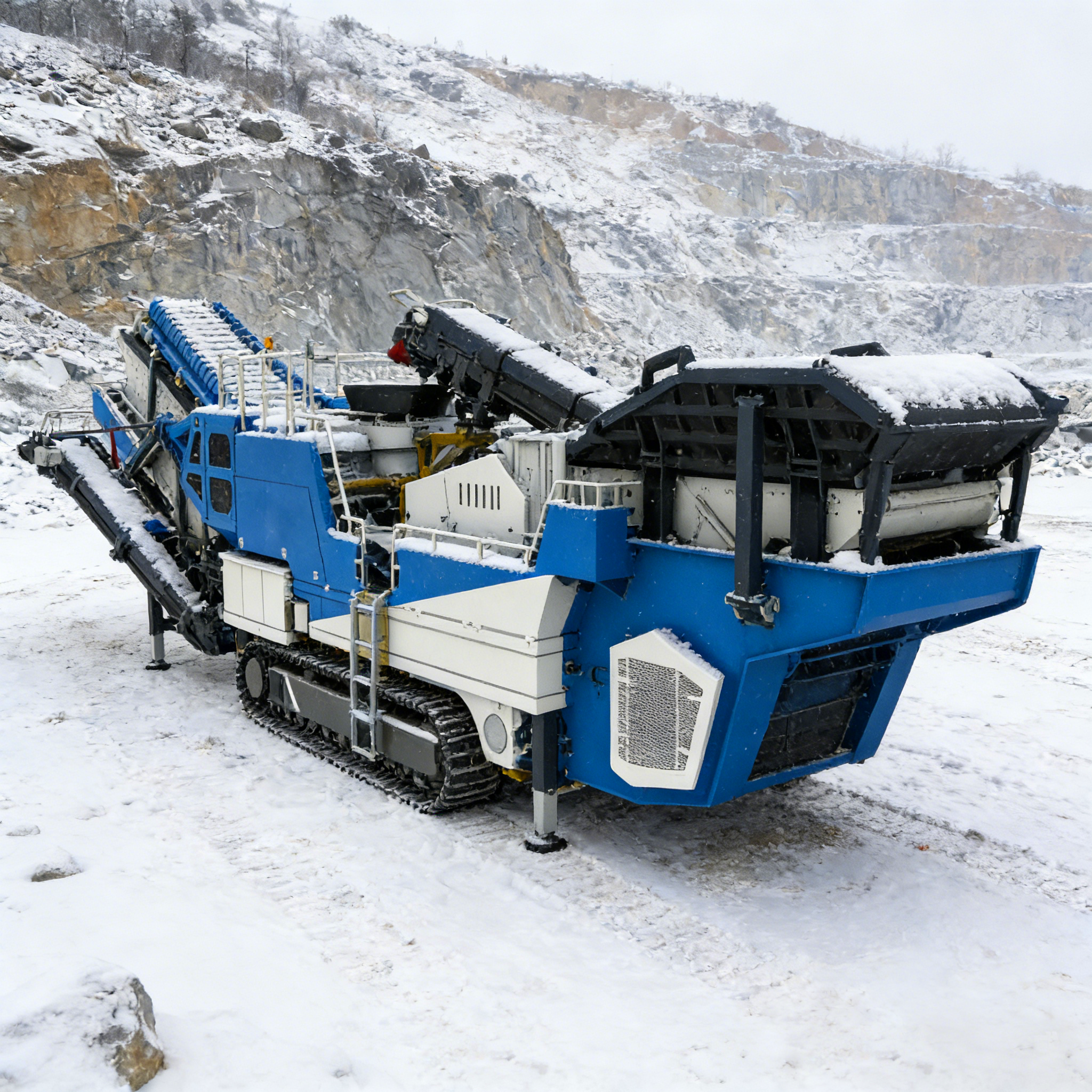
Consistent aggregate supply depends on disciplined Crusher Plant Operation more than on machine size alone. A production line that runs at a steady feed rate delivers predictable gradation, protects wear parts, and keeps throughput close to design capacity. Many plants lose output not because of equipment failure but because of uneven loading, contamination, and weak handover discipline. This guide covers practical operational steps that stabilize daily TPH and extend component life.
Build a Stable Feeding Foundation
Control Feed Rate with Even Material Flow
Strong Crusher Plant Operation begins at the feed hopper. Excavators and loaders often dump in surges, creating peaks that overload the primary crusher and valleys that starve it. An even feed rate is the single most important control for stable output. Operators should regulate loader cycles and rely on the vibrating feeder to meter material onto the conveyor at a constant pace. Sudden surges force the crusher to work against itself, raising vibration and shortening bearing life. A flat load curve is the foundation of reliable production.
Use the Surge Bin and Vibrating Feeder to Level Loads
A properly sized surge bin absorbs loading peaks from haul trucks and releases material steadily through the vibrating feeder. This buffer protects downstream screening and crushing stages from shock loads. Pairing the surge bin with a variable-speed conveyor lets the plant hold a target throughput even when trucks arrive in clusters. The result is a flatter load curve, fewer amp spikes, and more consistent product gradation across the shift. Material that is leveled before the crusher enters the chamber at the right rate.
Apply Choke Feeding to Protect the Crushing Chamber
Within any Crusher Plant Operation, choke feeding keeps the crushing chamber full so rock crushes rock instead of steel striking bare liners. For the KPC double-chamber hard rock crusher and heavy hammer models, maintaining a full chamber raises the reduction ratio and improves particle shape. Without choke feeding, liners wear unevenly and output drops. Operators should watch the chamber level and adjust the feed rate so material stays at the recommended fill without spilling over the feed hopper edge.
Block Contamination and Hold Gradation
Stop Tramp Metal Before It Reaches Wear Parts
Every Crusher Plant Operation should treat tramp metal as a top risk. Bucket teeth, rebar, and drill steel destroy hammers, rotors, and liners in seconds. Install a suspended magnet ahead of the primary crusher and a metal detector on the conveyor belt to stop contaminated loads. When the metal detector alarms, the plant should pause the feeder and clear the piece before it enters the chamber. OSHA 29 CFR 1910 machine-guarding requirements reinforce why moving belts and crushers need controlled access during such stops.
A Limestone Case: Holding Gradation Under Load
Background: a limestone operation in Hunan Liuyang needed 250–350 TPH with consistent sizes for local concrete plants. Problem: early runs showed uneven gradation and frequent screen overload because trucks dumped in surges and tramp rebar reached the chamber. Solution: the line paired a KPC1313 double-chamber crusher with a vibrating feeder, a sand washer, and matched screens, plus a suspended magnet and metal detector on the conveyor. Effect: steady gradation held within spec, re-crushing dropped, and daily throughput stayed stable across shifts. That line shows how steady Crusher Plant Operation holds gradation under real load.
Keep Conveyor and Transfer Points Clean
Spillage at transfer points forces unscheduled stops that wreck the load curve. Carryback on return belts and blocked skirts let fine material build up and seize idlers. Daily cleanup of the conveyor gallery and timely skirt-board adjustment keep material moving. ISO 9001 quality control calls for documented cleaning checks, which turn ad-hoc tidying into a repeatable process that protects uptime. Clean transfer points also reduce dust exposure and support a safer, greener mine site for the crew.
Monitor in Real Time and Hand Over Cleanly
Run Process Control with Digital Mine Systems
Effective Crusher Plant Operation relies on digital mine control. Load cells, belt scales, and amp meters feed a central dashboard that shows real-time throughput, feed rate, and chamber level. Alarms flag a falling gradation or a surging conveyor before output dips. With remote monitoring, a single supervisor can manage several production lines and intervene early, reducing the downtime that unstable running usually hides until it becomes a breakdown. Trend data also guides wear-part changeouts before quality slips.
Discipline Shift Handover Records
Disciplined Crusher Plant Operation treats handover as part of process control. A good shift can be undone by a vague changeover note. Operators should record feed rate, screen status, metal-detector trips, and any unusual noise or heat at each handover. A short written log plus a walk-around lets the next crew start clean. This discipline, supported by ISO 9001 process control, catches small faults — a warm bearing, a loose skirt — while they are cheap to fix rather than after they stall the line.
Operation and Procurement Advice for Stable Output
Reliable Crusher Plant Operation is built from small daily habits, not heroic fixes. Hold an even feed rate, choke feed the chamber, block tramp metal, and watch gradation through screening. Use digital monitoring and strict handover to keep variation low. For procurement, match the crusher to material hardness and abrasiveness, confirm the supplier offers EPC layout and spare-parts support, and verify guarding and lockout meet OSHA 29 CFR 1910. Inspect liner wear and screen mesh on a fixed schedule, and keep a buffer stock of wear parts. Stable output follows disciplined operation more than bigger machines.
Frequently Asked Questions
Question
What feed rate keeps a crusher running at stable output?
Answer: A steady feed rate matched to crusher design capacity prevents surges that overload the chamber and valleys that starve it. Operators should regulate loader cycles and let the vibrating feeder meter material onto the conveyor at a constant pace. Watching amp draw and belt load helps hold the target throughput. Even feeding protects wear parts, lowers vibration, and keeps gradation consistent across the whole shift without operator strain.
Question
Why does choke feeding improve crusher performance?
Answer: Choke feeding keeps the crushing chamber full so rock crushes rock instead of steel striking bare liners. A full chamber raises the reduction ratio and improves particle shape while spreading wear evenly across the liners. Without it, liners wear in patches and output falls. Operators should adjust the feed rate to maintain the recommended fill level without spilling material over the feed hopper edge during peak loading.
Question
How can tramp metal be kept out of the crusher?
Answer: Install a suspended magnet ahead of the primary crusher and a metal detector on the conveyor belt to catch bucket teeth, rebar, and drill steel. When the detector alarms, pause the feeder and clear the piece before it reaches the chamber. Regular magnet inspection keeps capture strength high. This simple barrier prevents sudden liner and rotor damage that causes long, costly, unplanned stoppages on the line.
Question
Which monitoring tools help stabilize daily throughput?
Answer: Belt scales, load cells, and amp meters feed a digital dashboard that shows real-time throughput, feed rate, and chamber level. Crusher Plant Operation improves when alarms flag a falling gradation or surging conveyor before output dips. Remote monitoring lets one supervisor manage several lines and intervene early, reducing the hidden downtime that unstable running usually masks until a breakdown occurs on site.
Question
When should shift handover records be completed?
Answer: Handover records should be written at every changeover, before the outgoing crew leaves the plant. Log the feed rate, screen status, metal-detector trips, and any unusual noise or heat found during the round. A short written note plus a walk-around lets the next crew start without guesswork. This discipline catches small faults while they are cheap to fix and stops them from stalling the production line later.