
 EN
EN
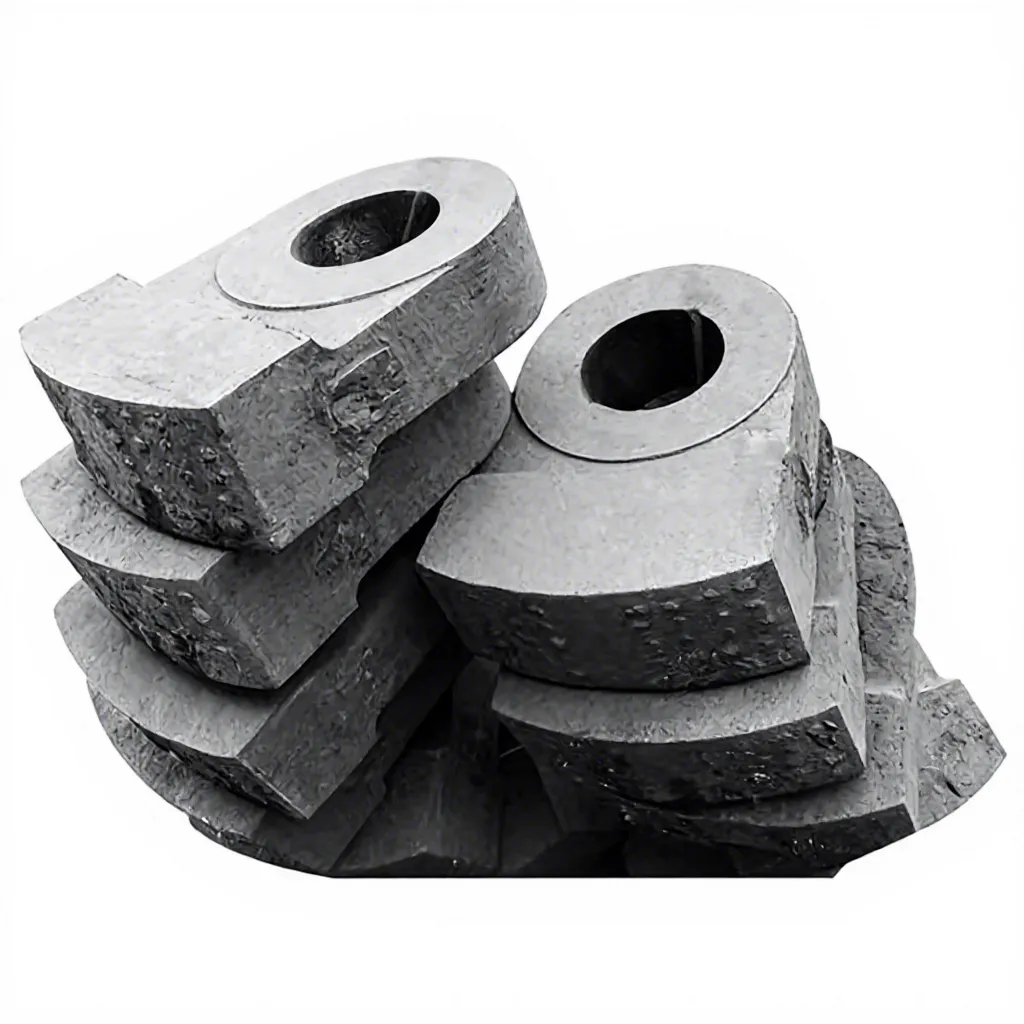
Crushing plants live or die by tonnage per kilowatt-hour. Crusher Efficiency describes how much saleable product a line delivers for each unit of energy, labor, and wear cost. A plant rated at 1,000 TPH on paper often ships far less once oversize recirculation, poor gradation, and idle time are counted. Treating efficiency as a measurable system rather than a single machine unlocks the largest gains for any aggregate operation. Undetected efficiency loss hides in idle conveyors, undersized return screens, and worn liners that slowly raise power draw without an obvious failure.
Define and Measure Crusher Efficiency
Track Reduction Ratio and Capacity Utilization
Crusher Efficiency starts with two ratios that operators rarely log together. Reduction ratio compares feed top size to product top size; pushing one stage to a very high ratio forces excess work and raises fines plus wear. Capacity utilization compares actual throughput to nameplate throughput across a shift. Low utilization usually signals uneven feeding, belt bottlenecks, or screen undersizing. Logging both per shift exposes real loss points before any hardware changes. Feed size distribution also matters; a feed with too many fines overloads the scalping screen and wastes crusher capacity on material already small.
Monitor Specific Energy and Screening Efficiency
Specific energy, measured in kWh per ton, ties power draw directly to output mass. A rising kWh per ton means the crusher works harder for less product, often from liner wear or wet feed. Screening efficiency shows what fraction of material passes the correct deck. Poor screening returns oversize to the crusher, inflating recirculation load and power draw. Under an ISO 50001 energy-management program, these metrics convert vague slowdowns into corrected, documented action that sustains plant efficiency over time. Gradation targets should drive the screen deck selection, because the wrong mesh size silently pushes material back into the circuit.
Optimize Crushing Circuit Configuration
Choose Closed-Circuit Over Open-Circuit
An open circuit sends crusher discharge straight to stockpile, so any oversize stays oversize. A closed circuit returns oversize through a screen to the crusher, protecting product gradation and lifting effective throughput. The technical reason is simple: repeated controlled passes at the correct setting produce on-spec material with less single-pass stress. For aggregate lines, closed-circuit crushing raises sellable yield and lowers specific energy versus open-circuit runs at equal feed. Measuring crusher efficiency before and after the change makes the benefit visible to plant management. Open circuits suit only very soft or single-size applications where oversize is acceptable to the end user.
Select the Right Closed-Side Setting and Cut Recirculation Load
Closed-side setting defines the minimum gap at which product exits. A tight CSS improves shape and gradation but raises power draw and wear; too wide a CSS dumps oversize and forces recirculation. The lever is matching CSS to the target gradation, then sizing screens so the return load stays small and steady. Eliminating unnecessary recirculation load is the fastest way to drop kWh per ton, because every recirculated ton is crushed twice for one sale. These steps keep crusher efficiency rising without new equipment. Periodic verification with a gap gauge prevents slow CSS drift that quietly raises recirculation load.
Limestone Plant Upgrade Case (Yibin 1,000 TPH)
Background and Problem
A Sichuan limestone operation ran a 1,000 TPH heavy-duty hammer impact line feeding screens in near-open circuit. Throughput drifted below 800 TPH, and finished 5–31 mm product failed spec on the coarse side. Idle feeder gaps and a mismatched return screen let oversize bypass the circuit. Energy cost per ton climbed while the stockpile filled with off-spec material, eroding crusher efficiency despite adequate hardware. Management initially blamed the crusher, but data showed the circuit, not the machine, limited output.
Solution, Effect, and Lessons
The upgrade closed the circuit with correctly sized screens, reset CSS to the target gradation, and added choke feeding with level control. Recirculation load fell to a controlled band, specific energy dropped, and on-spec yield rose. The same heavy hammer crusher now sustains near-rated output with steadier power draw. The lesson: circuit logic and setting discipline delivered the gain, supported by ISO 9001 process control during changeover. Downtime for the retrofit stayed under two shifts, protecting monthly tonnage.
Efficiency and Procurement Advice
Operating Levers for Stable Throughput
Choke feed the crusher to keep the crushing chamber full, which stabilizes reduction ratio and power draw. Keep feed moisture and contamination low to protect screening efficiency. Schedule liner changes by wear profile, not by calendar, to hold CSS and avoid rising kWh per ton. OSHA 29 CFR 1910 lockout-tagout must govern every setting adjustment and screen change to keep crews safe during tuning work on the line. Consistent feed rate avoids surges that spike power draw and break the reduction ratio.
What to Inspect Before Buying
Request documented capacity utilization and specific energy from reference plants near your material. Verify screen area, deck count, and return-circuit design support your gradation. Confirm the supplier runs ISO 9001 quality control and offers remote monitoring for power draw and throughput. Inspect wear-part availability and liner change time, since downtime for a single liner swap can erase weeks of efficiency savings on a continuous aggregate line. Ask for a site visit to a running reference plant to validate claimed throughput under real feed conditions.
Summary:
Improving Crusher Efficiency is a system discipline, not a single setting. Track reduction ratio, capacity utilization, specific energy, and screening efficiency as linked metrics. Favor closed-circuit configuration, set CSS to the target gradation, and shrink recirculation load. Real cases show circuit logic and monitoring beat hardware replacement. Buy on verified throughput and energy data, and protect gains with standards-based maintenance.
Frequently Asked Questions
Question
What is a good reduction ratio for a primary crushing stage?
Answer: A primary stage typically targets a reduction ratio near 4:1 to 6:1. Pushing beyond that forces one crusher to do work better split across stages, raising fines, wear, and power draw. Matching feed size to the machine and using a scalping screen keeps the ratio in range. Stable ratios protect capacity utilization and lower specific energy across the whole plant.
Question
Why does closed-circuit crushing lower specific energy?
Answer: A closed circuit returns oversize to the crusher through a screen, so material reaches on-spec gradation through controlled passes instead of one hard pass. That avoids over-crushing fine fractions and reduces recirculation load when screens are sized correctly. Lower recirculation means fewer tons crushed twice, dropping kWh per ton. The result is higher sellable yield at steadier power draw.
Question
How should closed-side setting be matched to product gradation?
Answer: CSS sets the minimum product size, so it must follow the target gradation rather than a fixed habit. A tight setting improves shape but raises wear and power draw; a wide setting dumps oversize and inflates recirculation load. Measure the actual gap with a gauge, confirm screen decks match the required sizes, and adjust in small steps while watching throughput and kWh per ton.
Question
Which metrics best reveal hidden efficiency loss in a crushing plant?
Answer: Crusher Efficiency drops first in metrics before it shows as a breakdown. Track capacity utilization against nameplate, specific energy in kWh per ton, and screening efficiency by deck. A falling utilization with steady feed points to bottlenecks, while rising kWh per ton signals liner wear or wet feed. Reviewing these linked metrics weekly exposes loss long before output visibly declines.
Question
When should liner changes be scheduled to protect throughput?
Answer: Liners should be changed by measured wear profile, not a fixed calendar date. As liners thin, the crushing chamber loses shape, CSS drifts, and power draw rises for the same product. Monitoring wear through remote systems lets crews plan a swap during a low-demand shift, avoiding unplanned stops. Timely changes hold gradation and keep capacity utilization close to nameplate.