
 EN
EN
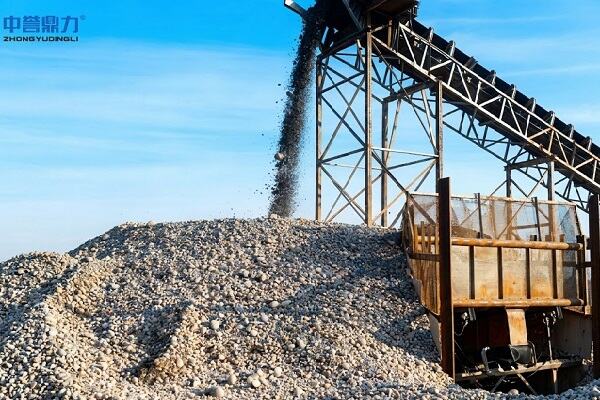
ယနေ့ခေတ်တွင် အမြန်နှုန်းဖြင့် ဖွံ့ဖြိုးတိုးတက်လာသော အဆောက်အဦးနှင့် အခြေခံအဆောက်အအိမ်လုပ်ငန်းများတွင် အရည်အသွေးမြင့် အစုအဖွဲ့များသည် လမ်းများ၊ တံတားများ၊ မီးရထားလမ်းများ၊ လေဆိပ်များ၊ အိမ်ရာဆောက်လုပ်ရေးစီမံကုန်းများနှင့် စက်မှုလုပ်ငန်းနေရာများ တည်ဆောက်ရာတွင် အရေးပါသော အခန်းကဏ္ဍမှ ပါဝင်ပါသည်။
အောင်မြင်သော အဆောက်အဦးစီမံကုန်းတစ်ခုခု၏ နောက်ကွယ်တွင် ကျောက်တုံးမှ အဆုံးသတ်အစုအဖွဲ့ထုတ်ကုန်များအထိ တိကျမှုနှင့် စိတ်ချရမှုဖြင့် ပြောင်းလဲပေးနိုင်သော ထိရောက်မှုရှိသော နှင့် ယုံကုံရမှုရှိသော ကျောက်လုပ်ငန်းစက်ရုံတစ်ခု ရှိပါသည်။
သတ္တုတွေ့ရှာရေးနှင့် အဆောက်အဦးပစ္စည်းလုပ်ငန်းတွင် နှစ် ၃၀ ကျော် အတွေ့အကြုံရှိသည့် Zhongyu Dingli သည် ကမ္ဘာတစ်ဝှမ်းရှိ ဖောက်သည်များအတွက် ခေတ်မီသော ကျောက်ခဲခွဲစက်များနှင့် စစ်ထုတ်စက်များ၊ EPC စီမံကုန်းဝန်ဆောင်မှုများနှင့် ဉာဏ်ရည်ထက်မြက်သော ဖြေရှင်းနည်းများကို ပေးသည့် ယုံကုံရမှုရှိသော ပေးသောသူဖြစ်လာခဲ့ပါသည်။
အဆန်းသစ်သောနည်းပညာ၊ အင်ဂျင်နီယာအတတ်ပညာနှင့် စုစုပေါင်းပရောဂျက်စီမံခန့်ခွဲမှုစွမ်းရည်များကို ပေါင်းစပ်ခြင်းဖြင့် Zhongyu Dingli သည် ဖောက်သည်များအား ထိရောက်မှုရှိပြီး ရေရှည်တည်တံ့သောနှင့် အမြတ်အစွန်းရှိသော အစုအဖွဲ့ထုတ်လုပ်မှုကို အောင်မြင်စေရန် ကူညီပေးပါသည်။
ကျောက်စိမ်းစက်ရုံအကြောင်း နားလည်ခြင်း
ကျောက်စိမ်းစက်ရုံသည် ကျောက်တုံးများကို အရွယ်အစားနှင့် အသုံးပြုမှုအမျိုးမျိုးအတွက် အစုအဖွဲ့များအဖြစ် ပြုလုပ်ရန် ဒီဇိုင်းထုတ်ထားသော စုစုပေါင်းထုတ်လုပ်မှုစနစ်ဖြစ်သည်။ ဤလုပ်ငန်းစဉ်တွင် အစားထိုးခြင်း၊ ကျောက်ခွဲခြင်း၊ စစ်ထုတ်ခြင်း၊ သယ်ဆောင်ခြင်း၊ သဲထုတ်လုပ်ခြင်းနှင့် ပတ်ဝန်းကျင်ထိန်းသိမ်းရေးစနစ်များ ပါဝင်ပါသည်။
အစွမ်းထက်သော သို့မဟုတ် အားနည်းသော ကျောက်များဖြစ်သည့် လိုင်မ်စတုန်း၊ ဂရနိုက်၊ ဘာစောလ်၊ မြစ်ကျောက်၊ ဒိုလိုမိုက် စသည့် ကျောက်များကို အစွမ်းထက်မှုအမျိုးမျိုးနှင့် အဆုံးသတ်ထုတ်ကုန်လိုအပ်ချက်များပေါ်မူတည်၍ ကျောက်စိမ်းစက်ရုံများက ကုန်ကြမ်းများကို ကုန်ကြမ်းအဖြစ် ပြုလုပ်နိုင်ပါသည်။ အဆုံးသတ်ထုတ်ကုန်အစုအဖွဲ့များကို ကွန်ကရစ်ထုတ်လုပ်ခြင်း၊ အက်စ်ဖော်လ်ট်ရောယ်မှု၊ လမ်းတံတားတည်ဆောက်ခြင်း၊ မီးရထားလမ်းကြောင်းအတွက် ကျောက်ခဲများ (ballast) နှင့် စက်မှုလုပ်ငန်းများတွင် အကောင်းဆုံးအသုံးပြုကြပါသည်။
ခေတ်မှီ ကျောက်စိမ်း အသုံးပြုမှု စက်ရုံများသည် ရိုးရှင်းသော ကျောက်ခွဲခြင်း လုပ်ဆောင်မှုများသာ မဟုတ်တော့ပါ။ ယနေ့ခေတ်၏ အထိမ်းအမှတ် စက်ရုံများသည် အလိုအလျောက် စနစ်များ၊ ဒစ်ဂျစ်တယ် စောင်းကြည့်မှုစနစ်များ၊ စွမ်းအင်ချွေတာရေး နည်းပညာများနှင့် ပတ်ဝန်းကျင်အတွက် သင့်တော်သော စနစ်များကို ပေါင်းစပ်ထည့်သွင်းထားပါသည်။ ထို့ဖြင့် ထုတ်လုပ်မှု စွမ်းဆောင်ရည်ကို အများဆုံး အထိရောက်မှုဖြင့် မှုန်းနှုန်းများနှင့် ပတ်ဝန်းကျင်အပေါ် သက်ရောက်မှုကို အနည်းဆုံးဖြစ်အောင် လုပ်ဆောင်ပါသည်။
ကျောက်စိမ်း မှ အပ်စ်ထုတ်ကုန် အထိ
ကျောက်စိမ်းမှ အပ်စ်ထုတ်ကုန်အထိ ပြောင်းလဲမှုသည် အဆင့်များစွာ ပါဝင်ပါသည်။ အဆင့်တိုင်းသည် နောက်ဆုံး ထုတ်ကုန်၏ အရည်အသွေးနှင့် တည်ငြိမ်မှုကို အထောက်အကူပုဖ်မှု ပေးပါသည်။
ကုန်ကြမ်း အစားအစာ
ဤလုပ်ငန်းစဉ်သည် ကျောက်တူးဖွေရေး နေရာ (သို့) မိုင်းတူးဖွေရေးနေရာမှ ကျောက်စိမ်းများကို စက်ရုံသို့ သယ်ဆောင်ခြင်းဖြင့် စတင်ပါသည်။ အဓိက ကျောက်ခွဲစက်သို့ ပစ္စည်းများကို တစ်သေးတစ်ဖြောင်း ဖောက်သွင်းရန် အတွက် ဗိုင်ဘရေးတင်း ဖီဒါများကို အသုံးများပါသည်။ ထုတ်လုပ်မှု စွမ်းဆောင်ရည်ကို ထိရောက်စေရန်နှင့် နောက်ခံ စက်ပစ္စည်းများကို အလွန်အများကြီး ဖောက်သွင်းမှုမှ ကာကွယ်ရန် ဖောက်သွင်းမှု တည်ငြိမ်မှုသည် အလွန်အရေးကြီးပါသည်။
ဤအဆင့်တွင် ကျောက်ကြီးများကို သေချာစွာ ထိန်းညှိထားပါသည်။ ထို့ဖြင့် ထုတ်လုပ်မှု လိုင်းတစ်လုံးလုံး အဆက်မပြတ် ချောမွေ့စွာ လုပ်ဆောင်နိုင်ပါသည်။
ပထမအဆင့် ကြိတ်ခွဲခြင်း
အဓိက ခွဲခြမ်းစိတ်ဖဲ့ခြင်းသည် သဘောထားရှိသော ကျောက်တုံးများ၏ အရွယ်အစားကို လျော့ချရန် ပထမဆုံး အကြီးမားဆုံး အဆင့်ဖြစ်သည်။ အဆိုပါလုပ်ငန်းစဉ်တွင် အများအားဖြင့် အများကြီးသော ကျောက်တုံးများကို ကိုင်တွယ်နိုင်မှု၊ အားကောင်းမှုနှင့် အများကြီးသော ခွဲခြမ်းစိတ်ဖဲ့နိုင်မှုတွင် ကောင်းမွန်သော အောက်ခံခွဲခြမ်းစိတ်ဖဲ့စက်များကို အသုံးပြုကြသည်။
အဓိက ခွဲခြမ်းစိတ်ဖဲ့စက်သည် အရွယ်အစား အလွန်ကြီးမားသော ကျောက်တုံးများကို ဒုတိယ ခွဲခြမ်းစိတ်ဖဲ့ခြင်းအတွက် သင့်တော်သော အရွယ်အစားသို့ လျော့ချပေးပါသည်။ ဤအဆင့်သည် ပစ္စည်းများကို ကိုင်တွယ်ခြင်း စွမ်းဆောင်ရည်ကို သိသိသာသာ မြင့်တက်စေပြီး ကျောက်များကို နောက်ထပ် လုပ်ဆောင်မှုများအတွက် ပြင်ဆင်ပေးပါသည်။
ကြီးမားသော သတ္တုတွေ့ရှာရေးနှင့် အစုအဖွဲ့ပုံစံ စီမံကုန်းများအတွက် ယုံကြည်စိတ်ချရသော အဓိက ခွဲခြမ်းစိတ်ဖဲ့စက်များသည် မြင့်မားသော ထုတ်လုပ်မှုနှုန်းကို ထိန်းသိမ်းရန်နှင့် ရေရှည်တွင် လုပ်ငန်းဆောင်တာများ တည်ငြိမ်မှုကို ထောက်ပံ့ပေးရန် အရေးကြီးပါသည်။
ဆက်လက်သော ကရပ်ရှားခြင်းနှင့် တတိယအဆင့် ကရပ်ရှားခြင်း
အဓိက ခွဲခြမ်းစိတ်ဖဲ့ခြင်းပြီးနောက် ပစ္စည်းများသည် လိုအပ်သော အစုအဖွဲ့ပုံစံများနှင့် ပုံပန်းသွင်ပဲများကို ရရှိရန် ဒုတိယနှင့် တတိယ ခွဲခြမ်းစိတ်ဖဲ့ခြင်း အဆင့်များသို့ ဝင်ရောက်ပါသည်။
ပစ္စည်း၏ မာကြမ်းမှုနှင့် ဂုဏ်သတ္တိများပေါ်မူတည်၍ ကုန်းခွဲခြမ်းစိတ်ဖဲ့စက်များနှင့် အားသိုက်ခွဲခြမ်းစိတ်ဖဲ့စက်များကို အသုံးများပါသည်။ ကုန်းခွဲခြမ်းစိတ်ဖဲ့စက်များသည် မာကြမ်းသော ကျောက်များကို ခွဲခြမ်းစိတ်ဖဲ့ရန် အကောင်းဆုံးဖြစ်ပြီး အားသိုက်ခွဲခြမ်းစိတ်ဖဲ့စက်များသည် အရည်အသွေးမြင့်မားသော အစုအဖွဲ့များကို လိုအပ်သော အသုံးပုံအတွက် အကောင်းဆုံး အများအားဖြင့် အများကြီးသော ပုံပန်းသွင်ပဲများကို ပေးစေပါသည်။
အများအပြားသော ခြောက်သွေ့မှုအဆင့်များသည် စက်ရုံအား ထုတ်လုပ်မှုအရည်အသွေးကောင်းမွန်စေရန်နှင့် အကြွင်းအကျန်ကို အနည်းဆုံးဖြစ်စေရန် အစုအဖွဲ့အများအပြားကို ထုတ်လုပ်နိုင်စေပါသည်။
စစ်ထုတ်ခြင်းနှင့် အမျိုးအစားခွဲခြင်း
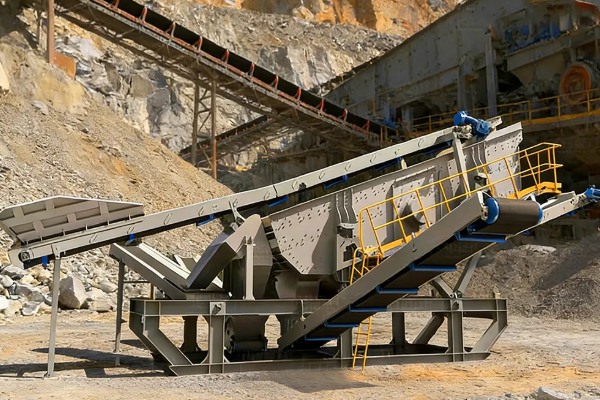
ကျောက်များကို ခြောက်သွေ့ပြီးနောက် စက်ရုံတွင် အုန်းခြောက်သွေ့မှုစက်များဖြင့် အရွယ်အစားအလိုက် ခွဲခြားပေးပါသည်။ လိုအပ်သော အရွယ်အစားများနှင့် ကိုက်ညီသော အစုအဖွဲ့များကို သိုလှောင်ရန် ပို့ဆောင်ပေးပါသည်။ အရွယ်အစားအလွန်ကြီးသော ပစ္စည်းများကို ထပ်မံခြောက်သွေ့ရန် ပြန်လည်ပို့ဆောင်ပေးပါသည်။
ထိရောက်သော စစ်ထုတ်မှုစနစ်သည် ထုတ်ကုန်အရွယ်အစားကို တိကျစွာ သတ်မှတ်ပေးပြီး နောက်ဆုံးအစုအဖွဲ့များ၏ အရည်အသွေးကို မြင့်တက်စေပါသည်။ ဖောက်သည်များ၏ လိုအပ်ချက်များပေါ်မူတည်၍ စက်ရုံသည် အစုအဖွဲ့ကြီးများ၊ အစုအဖွဲ့သေးများ၊ စက်ဖြင့်ထုတ်လုပ်သော သဲများနှင့် အထူးပစ္စည်းများကဲ့သို့သော အစုအဖွဲ့ထုတ်ကုန်များကို ထုတ်လုပ်နိုင်ပါသည်။
ခြောက်သွေ့မှုစနစ်များကို အသုံးပြုခြင်းဖြင့် အလိုမလို ပြန်လည်စီးဆင်းမှုကို လျော့နည်းစေပြီး ပစ္စည်းစီးဆင်းမှုကို အကောင်းဆုံးဖြစ်စေရန် ထုတ်လုပ်မှုစွမ်းဆောင်ရည်ကို မြင့်တက်စေပါသည်။
သဲထုတ်လုပ်ခြင်းနှင့် ပုံသေးခြင်း
ခေတ်မှီ အစုအဖွဲ့စက်ရုံများတွင် ကွန်ကရစ်နှင့် တည်ဆောက်ရေးလုပ်ငန်းများအတွက် အရည်အသွေးမြင့်မားသော စက်ဖြင့်ထုတ်လုပ်သော သဲများကို ထုတ်လုပ်ရန် သဲထုတ်လုပ်ရေးစက်များကို အသုံးပြုပါသည်။
vertical shaft impact crushers များကို အများအားဖြင့် အမှုန်ပုံစံကို တိုးတက်စေရန်နှင့် အဆင့်မြင့် အမှုန်ဖွဲ့စည်းမှုရှိသော အမှုန်သေးများကို ထုတ်လုပ်ရန် အသုံးပြုကြသည်။ သင့်လျော်သော ပုံစံဖော်ခြင်းနည်းပညာသည် ကွန်ကရီ၏ အားကောင်းမှုနှင့် အသုံးပြုမှုလွယ်ကူမှုကို မြင့်တက်စေပြီး တိုးမြင့်လာသော အဆင့်မြင့် အဆောက်အဦးဆောက်လုပ်ရေးစံနှုန်းများကို ဖော်ထုတ်ပေးပါသည်။
သဘောထားသော သဲအရင်းအမြစ်များ နေရာအများအားဖြင့် ပိုမိုကန့်သတ်လာသောကြောင့် လုပ်ထုတ်ထားသော သဲထုတ်လုပ်မှုသည် အထူးအရေးကြီးလာခဲ့သည်။
မှုန်မှုန်စုဆောင်းခြင်းနှင့် ပတ်ဝန်းကျင်ထိန်းသိမ်းရေး
မိုင်းတွင်းနှင့် အဂ်ရီဂိတ် လုပ်ငန်းတွင် ပတ်ဝန်းကျင်နှင့် သဟဇာတဖြစ်မှုသည် အဓိက အာရုဏ်ဖြစ်လာခဲ့သည်။ ခေတ်မှီ ကျောက်မှုန်မှုန်ဖြစ်စေသော စက်ရုံများတွင် ပတ်ဝန်းကျင်အပေါ် သက်ရောက်မှုကို အနိမ့်ဆုံးဖြစ်စေရန် မှုန်မှုန်လျော့ချရေး၊ အသံလျော့ချရေးနှင့် ရေညစ်ညမ်းမှုကုသရေး စနစ်များကို ပေါင်းစပ်ထည့်သွင်းထားသည်။
မှုန်မှုန်စုဆောင်းစက်များ၊ စပရေးစနစ်များနှင့် အိုင်းဆ်လေးဒ် ကုန်စည်သယ်ယူရေးစနစ်များသည် ထုတ်လုပ်မှုပတ်ဝန်းကျင်ကို ပိုမိုသန့်ရှင်းစေရန်နှင့် အလုပ်သမားများ၏ လုံခြုံရေးကို မြင့်တင်ပေးရန် အထောက်အကူပုံဖော်ပေးသည်။ ဉာဏ်ရည်မြင့် ပတ်ဝန်းကျင်ထိန်းသိမ်းရေးစနစ်များသည် ကုမ္ပဏီများအား ဒေသတွင်း ပတ်ဝန်းကျင်ဆိုင်ရာ စည်းမျဉ်းများနှင့် ကိုက်ညီစေရန်နှင့် ပိုမိုစိမ်းလျော့သော ထုတ်လုပ်မှုရည်မှန်းချက်များကို အောင်မြင်စေရန် အထောက်အကူပုံဖော်ပေးသည်။
အဆုံးသတ်
ခေတ်မှီ ကျောက်စိမ်းအလုပ်ရုံသည် အထုပ်အပိုးများ ထုတ်လုပ်ရာတွင် ထိရောက်မှုနှင့် ရေရှည်တည်တံ့မှုကို အောင်မြင်စေရန် အခြေခံအုတ်မူဖြစ်သည်။ ကျောက်စိမ်းများကို အစပိုင်းတွင် ထည့်သွင်းခြင်းမှ ကျောက်ခဲများကို ဖိသိပ်ခြင်း၊ စစ်ထုတ်ခြင်း၊ သဲထုတ်လုပ်ခြင်းနှင့် အသိဉာဏ်ရှိသော စီမံခန့်ခွဲမှုအထိ အဆင့်တိုင်းသည် ကမ္ဘာလုံးဆိုင်ရာ အဆောက်အအိမ် လုပ်ငန်းတွင် အရည်အသွေးမြင့် အထုပ်အပိုးများ ထုတ်လုပ်ရာတွင် အရေးပါသော အခန်းကဏ္ဍမှ ပါဝင်ပါသည်။
လုပ်ငန်းနယ်ပယ်တွင် နှစ် ၃၀ ကျော်ကြာ အတွေ့အကြုံရှိသည့် Zhongyu Dingli သည် ကမ္ဘာတစ်ဝှမ်းရှိ ဖောက်သည်များအား ယုံကြည်စိတ်ချရသော ကျောက်ခဲဖိသိပ်ရေးနှင့် စစ်ထုတ်ရေးစက်များ၊ ခေတ်မှီသော အသိဉာဏ်ရှိသော ဖြေရှင်းနည်းများနှင့် ပြည့်စုံသော EPC ပရောဂျက်ဝန်ဆောင်မှုများကို ဆက်လက်ပေးအပ်လျက်ရှိပါသည်။ စွန်းချ်န်မှု၊ ထိရောက်မှုနှင့် ပတ်ဝန်းကျင်ထိန်းသိမ်းရေးတွင် အလေးပေးမှုဖြင့် Zhongyu Dingli သည် သတ္တုတွေ့ဖော်ရေးနှင့် အဆောက်အအိမ်ပစ္စည်းများ လုပ်ငန်း၏ အနာဂတ်ကို ပုံဖော်ရာတွင် အရေးပါသော အခန်းကဏ္ဍမှ ပါဝင်ပါသည်။